
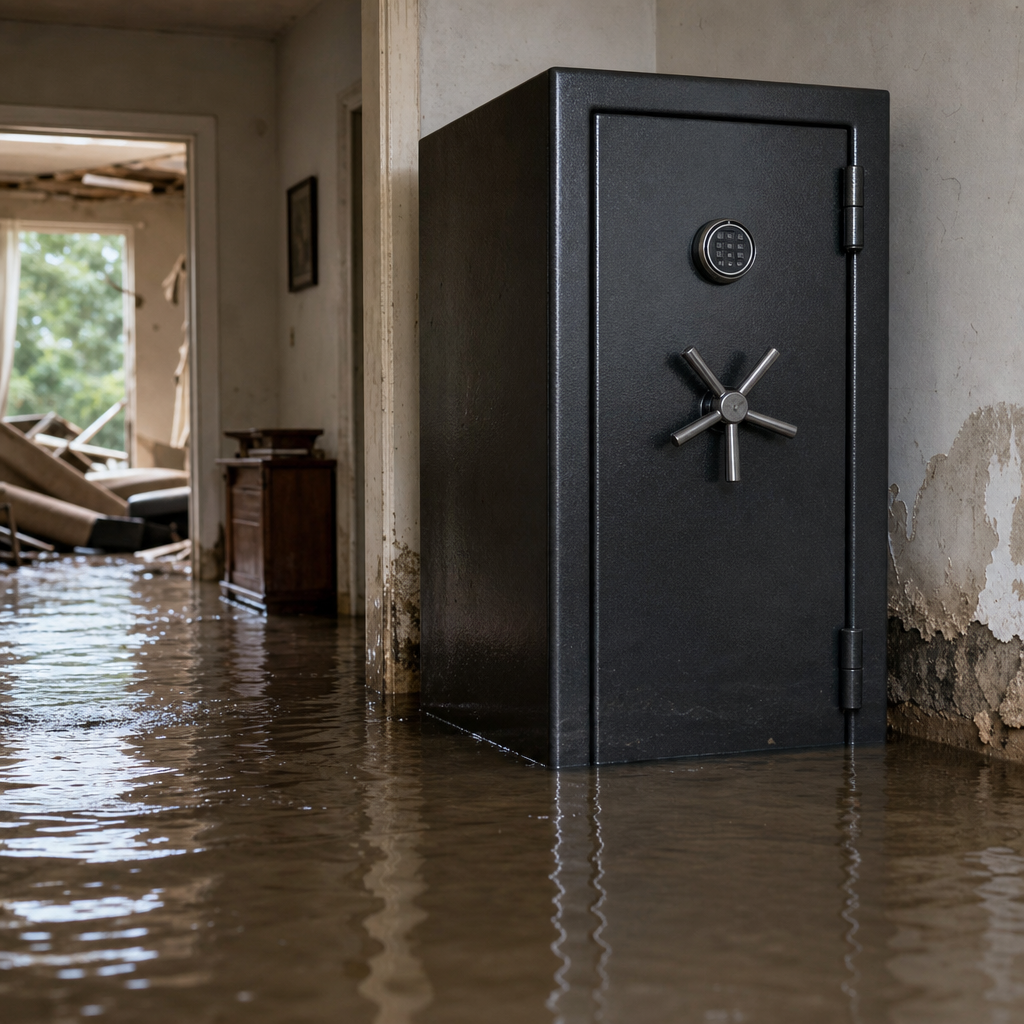
Choosing a gun safe that’s built to withstand flooding starts with understanding a hard truth: most safes are designed primarily for burglary and fire, not prolonged water exposure. In my experience reviewing residential security products and helping buyers compare gun safe specifications, flooding is the risk that gets underestimated most often. People assume a heavy steel box will naturally protect firearms from rising water, but flood protection depends on far more than weight. The right gun safe for flood-prone areas must balance water resistance, corrosion control, anchoring strength, interior protection, and placement inside the home. If you live near a river, on a coast, in a hurricane zone, or even in a basement-prone neighborhood, a flood-ready buying guide matters because one major water event can damage firearms, paper records, optics, and heirlooms in hours.
A flood-resistant gun safe is not the same thing as a waterproof gun safe, and that distinction matters when comparing products. Many manufacturers use terms like water resistant, ETL verified, intumescent seal, composite door, and continuous welds, but those features do different jobs. Fire seals may expand to block smoke and heat yet still allow water intrusion under pressure. A safe with a good burglary rating may tip, shift, or partially submerge if it is not bolted correctly. Interior materials such as untreated gypsum board, carpet, and standard shelving can retain moisture and accelerate rust after a flood. Choosing well means reading beyond marketing language and evaluating actual construction details, test standards, environmental controls, and installation strategy.
This buying guide serves as a hub for the broader Gun Safes & Safety topic by showing how to evaluate flood durability from the first shortlist to final installation. It covers the features that matter most, the limitations buyers should expect, and the practical tradeoffs between cost, capacity, and protection level. If you want a safe that gives firearms a real chance during heavy rain, storm surge, burst pipes, or groundwater intrusion, the decision should be made systematically. Start with construction, verify third-party claims, think through your local hazard profile, and plan for recovery before the first drop of water ever reaches the floor.
Start with the real flood risks your safe must survive
The best way to choose a flood-capable gun safe is to match the safe to the specific kind of water event you are likely to face. Homeowners often speak about flooding as one category, but the threat profile is very different between flash flooding, hurricane storm surge, basement seepage, slab leaks, and sprinkler discharge. Flash floods can move safes, knock them over, and drive muddy water into gaps under pressure. Basement flooding is often slower but can lead to long submersion, high humidity, and persistent corrosion. Coastal storm surge introduces saltwater, which is far more destructive to blued steel, ammunition cans, hinges, and lock hardware than freshwater. If your area has a FEMA flood history, repetitive loss records, or hurricane evacuation maps, those should influence your buying criteria just as much as burglary concerns.
Placement is part of product selection because the same safe performs differently depending on where it sits. A heavy safe in a basement may be safer from theft but far more vulnerable to water. A first-floor interior closet on a reinforced platform can outperform a larger basement installation during storms. In several real buyer consultations, the biggest improvement came not from buying a more expensive safe but from moving the planned location upward, adding a concrete or steel stand, and using a dehumidifier rod with desiccants. Before comparing brands, map your likely water depth, duration, and contamination level. That simple exercise helps determine whether you need basic water resistance, elevated storage, or a highly sealed unit with added secondary protection for documents and accessories.
Understand what “water resistant” actually means on a gun safe
One of the most important buying guide lessons is that there is no universal consumer standard requiring every gun safe maker to measure water protection in the same way. Fire ratings are often more standardized than water claims, and burglary ratings such as UL Residential Security Container classifications address forced entry, not flood endurance. Some manufacturers submit select models to ETL water-resistance testing, commonly expressed as surviving several inches of water for a set number of days. That is useful, but it is not a guarantee against every flooding scenario, especially if water rises higher than the door threshold, pressure increases, or the safe is knocked onto its side.
When evaluating water claims, look for three things: who tested it, under what conditions, and what exactly was protected. A statement such as “waterproof for 7 days in 2 feet of standing water” is more meaningful than vague wording about sealed protection. Ask whether the test measured water ingress into the main compartment, whether the lock area was included, and whether the seal remained effective after heat exposure. Some fireboard-based safes use expanding door seals intended for fire events, but those materials do not always create a long-term watertight barrier. The safest buying approach is to treat manufacturer water ratings as one layer of defense, not the entire plan. Pair them with elevated installation, corrosion prevention, and secondary waterproof storage for irreplaceable papers.
Evaluate construction details that improve flood survival
Flood durability comes from a combination of shell design, door fit, seams, hardware, and interior materials. Continuous welds generally reduce weak points compared with intermittent stitch welding, especially around the body. Tight door tolerances can help limit intrusion, but extremely complex door gaps around active bolts may still create channels for moisture. Composite doors with multiple layers can improve both fire performance and structural rigidity, yet the quality of gasketing around the door edge matters more than thickness alone when the concern is water. Powder-coated steel usually resists corrosion better than bare or poorly finished steel, but once floodwater reaches scratches, boltwork openings, or lock penetrations, rust can develop quickly.
Buyers should inspect the lock type and relocker area with the same scrutiny they give to wall thickness. Electronic locks are convenient, but after flooding they may fail sooner than a well-built mechanical dial, particularly if water reaches the keypad, wiring channel, or battery compartment. This does not mean mechanical is always better; many modern electronic locks are reliable, and access speed matters. It means flood-prone buyers should ask where the lock components are positioned and whether replacement after a water event is straightforward. Interior construction matters too. Adjustable shelving made from MDF or untreated board can swell and trap moisture. Upholstery, foam barrel rests, and carpet liners feel protective but can hold water against metal. For humid or flood-risk environments, simpler removable interiors are easier to dry, sanitize, and restore.
| Feature | Why It Matters in Flooding | What to Look For |
|---|---|---|
| Door seal | Reduces water intrusion at the primary opening | Tested water-resistance claim, full-perimeter gasket, clear depth/time rating |
| Body seams | Weak seams can leak under standing water | Continuous welds, reinforced corners, quality finish |
| Exterior coating | Helps slow corrosion after splash or brief exposure | Durable powder coat and protected hardware points |
| Interior materials | Absorbent materials retain moisture and promote rust | Removable shelves, minimal absorbent padding, easy-clean surfaces |
| Lock system | Water can disable electronics or corrode mechanisms | Accessible service path, reputable lock brand, weather-conscious design |
| Anchoring setup | Prevents tipping or shifting in moving water | Proper bolt-down hardware and raised mounting platform |
Prioritize anchoring, elevation, and room placement as much as the safe itself
A flood-resistant gun safe is only as effective as its installation. I have seen buyers focus heavily on gauge, fireboard layers, and glossy finishes while ignoring the two decisions that most affect flood survival: where the safe sits and how it is anchored. Even a 700-pound safe can shift when buoyancy increases and moving water adds lateral force. Once a safe tips, door seals may fail, hinges may be stressed, and long guns inside can be damaged. Proper anchoring into concrete or structurally appropriate flooring reduces both theft risk and flood movement, but anchors must be selected for the substrate and installed to the manufacturer’s pattern.
Elevation is often the smartest upgrade for flood-prone homes. A purpose-built steel stand, reinforced masonry platform, or engineered concrete curb can move the safe above the most common nuisance flood levels without compromising stability. Avoid makeshift wood risers that wick water, rot, or collapse under concentrated weight. Also consider the room around the safe. Laundry rooms, garages below grade, and basements may be convenient but increase exposure to drains, appliances, and seepage. Interior first-floor rooms away from exterior doors and windows usually offer a better balance of concealment and environmental safety. If basement placement is unavoidable, install water alarms nearby, maintain drainage systems, and leave service clearance around the safe so cleanup and drying can begin immediately after any intrusion.
Use climate control and layered storage to prevent post-flood corrosion
Even if floodwater never enters the safe, humidity after a storm can damage firearms just as effectively over several days. That is why buying guides that focus only on shell strength are incomplete. The interior environment matters. GoldenRod dehumidifiers, rechargeable desiccant packs, and digital hygrometers are not accessories to add later; in damp regions they are part of the protection system. For most gun safe storage, maintaining relative humidity around 45 to 50 percent is a practical target because it reduces rust risk without overdrying wood stocks. After severe weather, check humidity daily until conditions stabilize.
Layered storage is equally important. Store paper records, tax stamps, passports, and backup drives inside separate waterproof document boxes or sealed pouches within the safe. Use silicone-treated gun socks for long guns if the material is breathable and changed when saturated, not as a substitute for drying. Keep optics, suppressors, and small metal parts in sealed containers with desiccants. Ammunition should be protected from moisture, but do not assume military-style cans inside a wet safe solve every problem; if trapped moisture stays inside, primers and brass can still suffer over time. A thoughtful setup means the safe is one protective shell, and each critical item has its own additional barrier. That layered approach consistently outperforms relying on one advertised water claim.
Compare brands, warranties, and testing claims with a skeptical eye
Not all gun safe brands disclose the same level of detail, which is why comparison shopping should center on verifiable information. Reputable manufacturers often identify lock brands such as Sargent and Greenleaf or SecuRam, describe steel thickness in gauge or inches, explain fire insulation type, and publish specific water test statements when applicable. If a listing says “flood seal” but provides no depth, duration, or testing authority, treat that as marketing, not proof. Read warranty terms carefully as well. Many lifetime warranties cover fire and attempted break-in damage, but fewer clearly address flood damage, lock replacement after water exposure, or interior mold remediation.
Dealer quality matters almost as much as brand quality. An experienced safe dealer can explain local installation issues, slab limitations, stair carries, and anchoring options, while a generic online listing may leave important questions unanswered. Ask direct questions: Has this model been independently water tested? Is the seal designed for standing water or only incidental exposure? What happens to the warranty if the safe is installed on a raised platform? Can replacement interiors, door panels, or electronic locks be ordered after a flood? Straight answers separate serious products from decorative cabinets marketed as safes. For a buying guide hub page, that is the core principle: compare evidence, not slogans, and build your shortlist around tested performance, serviceability, and installation reality.
Know the limits of any flood-ready gun safe before you buy
No consumer gun safe should be treated as a submarine-grade container. Extended submersion, contaminated floodwater, structural collapse, and saltwater exposure can overwhelm even well-built units. Flood ratings are conditional. They assume the safe remains upright, the seal remains intact, and water exposure stays within the stated limits. They do not guarantee that firearms emerge ready to use without inspection, cleaning, and lubrication. After any flood, every firearm should be unloaded, documented, dried, and evaluated for rust, stock swelling, sight damage, and ammunition contamination. If saltwater was involved, immediate professional cleaning is strongly advised because corrosion accelerates fast and can compromise safety-critical parts.
The right expectation is resilience, not invincibility. A well-chosen gun safe can buy time, reduce damage, and simplify recovery, but it works best as part of a larger plan that includes insurance documentation, serial number records, off-site backups for important files, and a clear emergency response routine. If flooding is a serious household risk, choose a model with specific water-resistance claims, durable finishes, quality locks, and removable interiors, then install it above likely water levels and anchor it properly. Add humidity control and layered waterproof storage inside. Those steps turn a standard purchase into a true flood-conscious security system. Review your local risks, compare real test data, and buy the safe that protects your firearms not just from theft or fire, but from the water most buyers forget until it is too late.
Frequently Asked Questions
What actually makes a gun safe flood-resistant, and why aren’t most safes built for that by default?
A flood-resistant gun safe is designed to slow or prevent water intrusion during rising water, standing water, and the messy aftermath that comes with storms, plumbing failures, and natural disasters. The key point many buyers miss is that standard gun safes are usually engineered around two primary threats: forced entry and fire. That means manufacturers focus on steel thickness, locking systems, pry resistance, relockers, and fire insulation. None of those features automatically translate into true water protection.
For a safe to handle flooding better, you want to see design elements such as tighter door tolerances, compression-style seals, continuous door gaskets, elevated interiors, corrosion-resistant hardware, and construction methods that reduce the number of vulnerable entry points for water. Some safes advertise waterproof or water-resistant ratings, but the details matter. A claim might refer to short-term exposure at a limited depth, not prolonged submersion. In real flood conditions, water can press against seams for hours or days, carry contaminants, and seep into even small gaps around the door, bolt openings, or anchoring points.
Another reason most safes are not built for flooding is cost and engineering trade-offs. Fire protection often relies on expanding door seals and layered insulation, but those materials are not always intended to block water under pressure. Likewise, adding stronger water barriers can affect door fit, weight, manufacturing complexity, and price. That is why buyers in flood-prone areas should not assume “heavy” means “waterproof.” The safest approach is to look for specific flood-related performance claims, ask how those claims were tested, and treat any vague marketing language with caution.
Which features should I prioritize if I live in a flood-prone area and want to protect firearms from water damage?
If flooding is a serious concern, prioritize features in this order: verified water resistance, placement flexibility, corrosion control, secure sealing, and interior protection. Start with the body and door design. Look for a safe with a clearly described water-resistant seal system around the door, preferably one that the manufacturer explains in practical terms rather than generic “protective gasket” language. You also want robust welds, minimal exposed gaps, and a door design that compresses evenly when locked.
Next, pay close attention to the safe’s base and how it can be installed. One of the most effective flood-protection strategies is elevation. A good safe choice is one that can be mounted on a raised concrete platform or heavy-duty stand without compromising security. Even a few inches of elevation can make a meaningful difference in minor flooding, while a higher platform may protect against more common water events in coastal, river-adjacent, or basement locations. Ask whether anchoring affects the water-resistance claim, because bolt-down holes can become weak points if not properly engineered and sealed.
Inside the safe, choose features that help manage moisture after exposure. Adjustable shelving that keeps firearms off the floor of the safe, moisture-resistant interior materials, dehumidifier compatibility, and space for desiccants all matter. Corrosion-resistant finishes on both the exterior and interior hardware are also important, since floodwater is rarely clean. It often contains sediment, salts, sewage residue, and chemicals that accelerate rust and deterioration. Finally, favor manufacturers that provide specific testing information, clear maintenance guidance, and realistic limitations. The best flood-conscious safe is not just hard to break into; it is built to reduce water intrusion, limit internal damage, and recover better after an emergency.
Are “waterproof” and “water-resistant” gun safes the same thing, and how should I evaluate manufacturer claims?
No, they are not the same, and this is one of the most important distinctions you can make when comparing safes. “Water-resistant” usually means the safe may keep out some moisture or withstand limited water exposure for a defined period. “Waterproof” sounds stronger, but in the gun safe market it is often used loosely unless accompanied by clear test parameters. Without details, those labels are more marketing language than reliable buying criteria.
To evaluate a manufacturer’s claim properly, look for specifics: how deep the water was, how long the safe was exposed, whether the test involved standing water or full submersion, and whether the safe was empty or loaded during testing. Also ask whether the test was performed in-house or by an independent lab. A statement like “waterproof for 7 days in 2 feet of water” is far more useful than “enhanced water protection.” Even then, read the fine print. The claim may apply only when the safe is correctly installed, fully closed, undamaged, and used under controlled conditions that may not resemble real flood events.
You should also consider what the claim does not cover. Floodwater can shift a safe, tilt it, force debris against the door, or expose it to contamination that damages finishes and internals even if the guns stay mostly dry. In some cases, a safe might keep water out initially but still trap humidity afterward, creating rust risk if the contents are not inspected quickly. The smartest way to interpret these terms is to see them as part of a layered protection plan. A tested water-resistant safe is valuable, but it works best when combined with elevated placement, interior moisture control, corrosion prevention, and a realistic understanding that no residential safe is invincible under severe flood conditions.
Where should I place a gun safe to reduce flood risk without compromising security?
Placement is often just as important as the safe itself. If your goal is flood protection, avoid the lowest point of the home whenever possible. Basements, ground-level garages, and rooms with a history of seepage are common trouble spots. Instead, consider an upper floor if the structure can safely support the safe’s loaded weight. If an upper-story install is not practical, choose the highest and driest location on the main floor, away from exterior doors, drains, sump failures, and walls known for water intrusion.
Elevation is one of the best practical defenses. Placing the safe on a reinforced concrete pedestal, steel stand, or engineered platform can reduce exposure during shallow flooding and routine water events. That said, elevation should never make the safe easier to tip, pry, or remove. The platform must be structurally sound, properly anchored, and compatible with the safe’s bolt-down requirements. If you are in a region with serious flood history, it is worth consulting both the safe manufacturer and a contractor or structural professional before installation.
Security still matters, so you want a balance between concealment, accessibility, and environmental safety. A central interior room on a raised slab or reinforced platform is often a smarter choice than a damp garage corner. Also think about post-flood recovery: can the safe be accessed and dried quickly if water gets into the room? Is there airflow? Is the area climate-controlled? The best location is one that reduces the likelihood of water contact in the first place while still allowing proper anchoring, discreet placement, and routine maintenance. In flood-prone homes, choosing the right room and elevating the safe can be just as important as upgrading to a model with better seals.
What else should I do besides buying a flood-resistant safe to protect firearms, documents, and valuables from flooding?
A flood-conscious gun safe purchase should be part of a broader protection strategy, not the entire plan. First, use interior moisture control consistently. Install a safe dehumidifier if the model supports one, and supplement with desiccant packs that can be recharged or replaced. Even if water never enters the safe, flood-prone environments often come with high humidity that can lead to rust, mold, and damage to optics, stocks, paperwork, and ammunition packaging.
Second, add protective layers inside the safe. Store critical documents in waterproof document pouches or sealed containers. Use gun socks or corrosion-inhibiting sleeves for firearms. Keep especially valuable items off the bottom shelf, since any small amount of internal moisture tends to affect the lowest level first. If you own collectibles, heirloom firearms, suppressors, optics, or sensitive paper records, treating each category with its own protective barrier is a smart move.
Third, prepare for recovery before you ever need it. Maintain a current inventory with serial numbers, photos, receipts, and appraisals stored securely off-site or in encrypted cloud storage. Review your insurance coverage carefully, because many homeowners do not realize that flood damage and firearm-related claims can have separate limitations or exclusions. If you live in a high-risk area, ask specifically about coverage for floodwater, corrosion, restoration, and replacement value.
Finally, have a post-flood response plan. If the safe has been exposed to water, open and inspect it as soon as conditions are safe to do so. Dry firearms immediately, clean them thoroughly, and lubricate metal surfaces to prevent flash rust. Replace interior moisture absorbers and inspect the safe for compromised seals, rusting hardware, and lingering humidity. In my experience, the people who fare best are the ones who combine a well-chosen safe with smart placement, interior protection, insurance, and a clear recovery plan. That is what turns a decent purchase into real flood preparedness.