
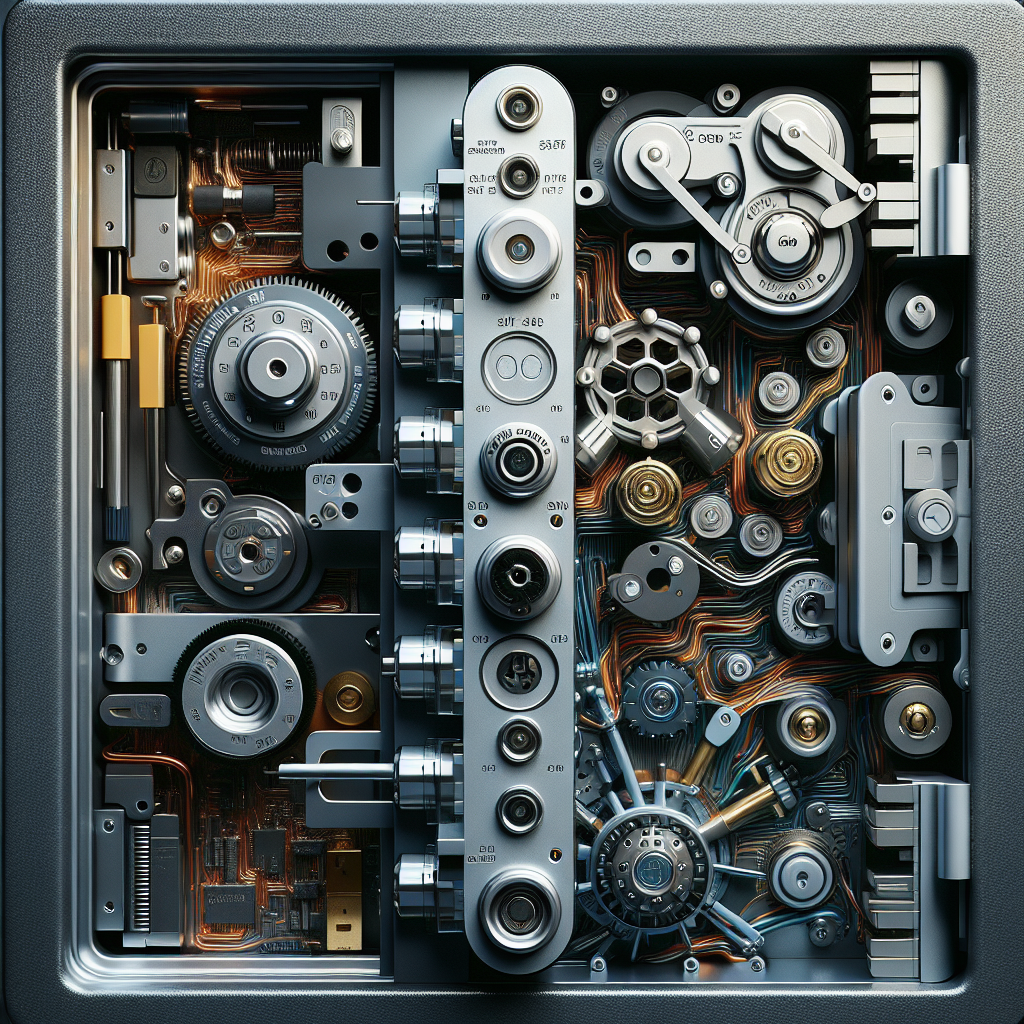
In the world of firearms, safety is paramount. Proper storage of your guns not only protects your valuable investments but also ensures they don’t fall into the wrong hands. With the rise in gun ownership, particularly in households, the need for reliable and secure gun safes is more significant than ever. However, not all gun safes are created equal. One of the most critical features of a gun safe is its lock mechanism.
Choosing the right lock mechanism can make all the difference when it comes to accessibility, security, and peace of mind. From traditional key locks to cutting-edge biometric systems, the variety of options can be overwhelming. This guide aims to demystify the different types of lock mechanisms available and help you make an informed decision that suits your needs.
In this comprehensive guide, we will evaluate various lock mechanisms commonly found in gun safes. We will explore their pros and cons, ease of use, and overall security. Whether you’re a seasoned gun owner looking to upgrade your secure storage or a first-time buyer, this guide will provide you with valuable insights.
Let’s delve into the intricacies of gun safe lock mechanisms to ensure that you can choose the best option for safeguarding your firearms and maintaining household safety.
Traditional Key Locks
Key locks are among the oldest and most familiar locking mechanisms used in gun safes. They operate precisely as their name suggests: you insert the key into the lock, turn it, and gain access to your safe. Despite their simplicity, key locks offer substantial security, particularly high-quality, high-security key locks designed for safes.
One significant advantage of key locks is their reliability. They do not rely on batteries or electrical components, making them less prone to certain types of failures. Additionally, key locks can be quite robust if the safe manufacturer uses high-grade materials.
However, there are notable drawbacks. If you lose your key, gaining access to your safe could become a problematic endeavor. Replacement keys can sometimes be costly, and the process may require proof of ownership and other verification measures. Furthermore, the key itself can become a security liability if it falls into the wrong hands.
Overall, key locks are a solid choice if you prefer a mechanical locking mechanism free from electrical failure risks. However, be mindful of keeping the key secure to avoid unauthorized access.
Combination Locks
Combination locks are another long-standing and widely used mechanism for securing gun safes. These locks require a user to enter a specific sequence of numbers, usually by turning a dial, to unlock the safe. Combination locks are favored for their durability and the higher level of security they can provide compared to key locks.
Pros of combination locks include their mechanical nature, which, similar to key locks, means they are not dependent on power sources. However, they offer higher security because, without the correct combination, it is nearly impossible to open the lock without professional intervention.
The downside is that combination locks can be slower to operate. Entering the combination correctly requires precision and patience, which could be challenging under stress. Additionally, changing the combination is not always straightforward and often necessitates a professional locksmith.
Combination locks are ideal for gun owners who prioritize high security over rapid access. They are sturdy, reliable, and do not have the vulnerability associated with carrying or losing keys.

Electronic Locks
Electronic locks have gained popularity in recent years due to their convenience and advanced security features. These locks typically feature a numeric keypad where you can enter a PIN to unlock the safe. One pressing advantage of electronic locks is the ease of use and the speed with which you can access your firearms.
Electronic locks often come with additional features such as time delays, lockout modes after multiple incorrect attempts, and even integration with alarm systems. They are an excellent choice for those who want to blend convenience with security. Additionally, changing the access code is straightforward, allowing users to regularly update their security measures.
However, electronic locks are not without their cons. They rely on batteries or a power source, which means they can fail if the batteries die or if there’s a power outage. Most electronic safes do have a backup key or a combination mechanism for such situations, but it adds a layer of complexity.
Electronic locks are suitable for modern gun owners who value quick access and advanced security features. Regular maintenance, like changing batteries, is essential to keep these locks functioning correctly.
Biometric Locks
Biometric locks represent the cutting edge of gun safe security. These advanced systems use your unique biological characteristics, such as fingerprints, to grant access to your safe. Biometric locks are celebrated for their unparalleled speed and ease of use, allowing for almost instant access with just a touch.
The main advantage of biometric locks is that they eliminate the risk of losing keys or forgetting combinations. They provide a high level of security because fingerprints are unique to each individual. Many biometric safes also allow for multiple users, making it convenient for households where several people require access to the firearms.
On the downside, biometric locks can be more expensive than other types of locks. They also rely on an electronic power source, so dead batteries or power failures can render them temporarily unusable. Another concern is false rejections—instances where the system fails to recognize a fingerprint, which can be problematic in high-stress situations.
Biometric locks are ideal for tech-savvy individuals who prioritize quick and secure accessibility. Just ensure you maintain the power source and keep the fingerprint scanner clean for best performance.
Redundant Lock Systems
For the ultimate in security and reassurance, some gun safes come equipped with redundant lock systems. These systems combine two or more types of locking mechanisms, such as a combination lock plus a biometric or electronic lock. The idea is to provide multiple layers of security, making the safe much harder to breach.
The primary advantage of redundant systems is that they offer the best of both worlds. For example, if the electronic lock fails, you can still gain access through the combination lock. This redundancy ensures you are never locked out of your safe because of a single point of failure.
The drawback is that redundant systems can be complex and expensive. They require more careful maintenance, and the need to remember more than one access method can complicate usage. However, for those who prioritize maximum security and fail-safe access, redundant systems are hard to beat.
Redundant lock systems are highly recommended for gun owners who want the assurance of multiple security measures. They ensure consistent access even if one lock mechanism fails, providing peace of mind and robust protection for your firearms.
Conclusion
Selecting the best lock mechanism for your gun safe requires careful consideration of various factors, including security, ease of access, reliability, and cost. Each locking mechanism we’ve discussed—traditional key locks, combination locks, electronic locks, biometric locks, and redundant lock systems—has its unique advantages and potential drawbacks.
Traditional key locks offer simplicity and reliability, whereas combination locks provide enhanced security without the need for power. Electronic locks bring convenience and advanced features, although they require regular maintenance to ensure functionality. Biometric locks promise quick, secure access using your unique biological traits, making them perfect for those who need rapid access. Finally, redundant lock systems offer unparalleled security through multiple fail-safes.
Your choice will ultimately depend on your priorities. If you value simplicity and low maintenance, a key or combination lock might suit you best. For those seeking modern convenience and additional features, electronic and biometric locks are excellent choices. And if maximum security with fail-safe options is your primary concern, a redundant lock system should be at the top of your list.
Investing in the right gun safe lock mechanism is a crucial step in responsible gun ownership. It not only protects your valuable firearms but also ensures they remain safe from unauthorized access, keeping your household secure. Take the time to evaluate your needs, consider the options, and make an informed decision to ensure your peace of mind and safety.