
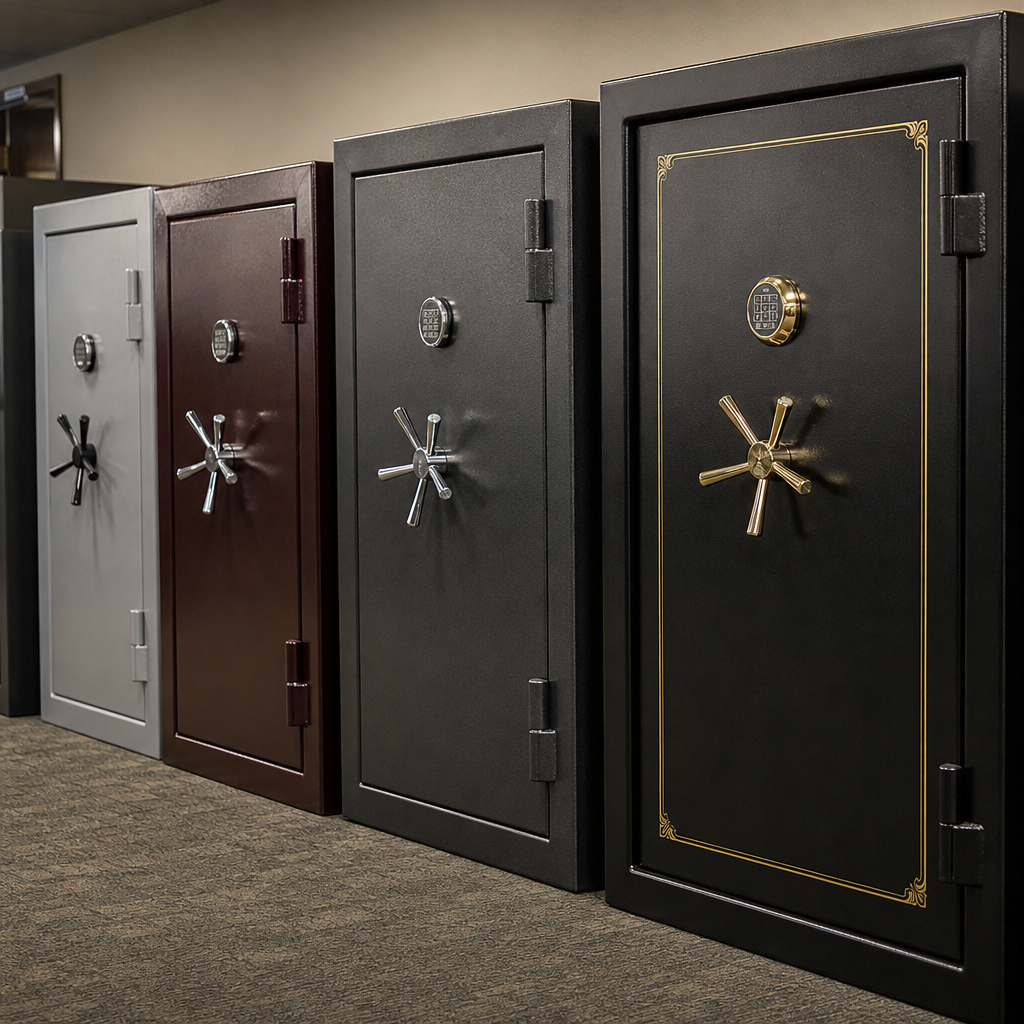
A high price tag does not guarantee a higher security gun safe, because security depends on engineering, construction quality, installation, and realistic threat resistance rather than retail cost alone. In the gun safes and safety category, few topics create more confusion than gun safe myths and misconceptions. I have reviewed safes in showrooms, compared spec sheets against actual build quality, and seen expensive models underperform cheaper units simply because buyers focused on price instead of meaningful security features. That pattern matters because a gun safe is expected to do several jobs at once: restrict unauthorized access, slow burglary attempts, protect firearms from fire and humidity, and support responsible storage practices that reduce accidents and theft.
The term gun safe is often used loosely. Some products sold as gun safes are technically residential security containers, or RSCs, a classification tied to standardized testing for limited forced-entry resistance. Others are thin steel cabinets with locks that provide basic deterrence but not true burglary protection. Security is the safe’s ability to resist attack long enough to change the outcome, whether the threat is a curious child, a smash-and-grab burglar, or an organized thief with tools and time. Price is only one market signal. It can reflect heavier steel, better locks, domestic manufacturing, added fire insulation, branding, dealer margins, or cosmetic upgrades. It can also reflect features that look impressive on a sales floor but contribute little to real protection.
This hub article addresses the biggest myths buyers believe when shopping for a firearm safe. It explains what expensive safes do better, where budget safes can still perform well, and which specifications matter most when comparing models. It also clarifies tradeoffs: a safe can be excellent for child access prevention but mediocre against power tools, or strong against prying but weak in fire performance. If you want a clear framework for evaluating gun safe security, this guide will help you separate marketing from mechanics and choose a safe based on risk, not assumptions.
Myth 1: Higher Price Always Means Higher Security
The most common misconception is that cost maps directly to protection. In practice, price and security correlate only loosely. I have seen premium safes priced thousands of dollars above competitors because of glossy finishes, elaborate interiors, brand positioning, and dealer exclusivity, while the body steel, door plate, and lock hardening were similar to midrange models. A safe can be expensive and still use 12-gauge or 14-gauge steel in the body, which is far easier to breach than 7-gauge or 10-gauge construction when prying or cutting is involved.
Security comes from measurable attributes. Start with body thickness, door construction, lock type, boltwork design, relockers, hard plates, hinge protection, and anchor provisions. A safe with thicker steel, a reinforced door frame, quality bolt engagement, and proper anchoring will usually outperform a more expensive safe that emphasizes appearance or oversized fire claims. This is why serious buyers compare specifications line by line and ask how the unit was tested. Standardized ratings such as UL RSC provide more value than vague terms like military style or pry resistant.
That does not mean premium pricing is meaningless. Better safes often do cost more because steel, labor, testing, and freight are expensive. But the right conclusion is narrower: some expensive safes are more secure, yet expense alone proves nothing. The buyer’s task is to identify what the added dollars actually purchase.
Myth 2: All Gun Safes Sold in Big Stores Offer the Same Protection
Mass retail has made safes more accessible, but it has also flattened important distinctions. Two safes may look nearly identical under showroom lighting and differ dramatically in resistance to attack. Many entry-level units prioritize capacity and finish over steel thickness. A 30-gun label can be particularly misleading, because manufacturers often count tightly packed long guns without optics, slings, or modern stocks. Buyers think they are paying for security and storage, yet they are often paying for an optimistic interior count and a decorative door panel.
In plain terms, thinner steel bends faster under pry pressure. A lighter safe is also easier to tip, move, or remove entirely if it is not anchored. I have watched side-by-side demos where an inexpensive cabinet-style unit opened quickly under basic leverage, while a heavier anchored safe with a better door frame held long enough to defeat the same casual attack. The difference was not branding. It was material and design.
Retail buyers should also understand that store-exclusive model numbers sometimes complicate comparison shopping. A retailer may carry a unique SKU that resembles another brand’s model but uses different steel, lock options, or interior layouts. Reading only customer reviews is not enough. Reviews often reflect delivery experience or appearance, not actual security performance. The better approach is to verify published body gauge, door thickness, lock certification, and weight, then compare those factors across models.
Myth 3: Fire Ratings and Security Ratings Mean the Same Thing
Fire protection and burglary protection are separate disciplines. A safe can advertise 60 or 90 minutes of fire resistance and still offer limited forced-entry resistance. Many consumers merge these categories because both are sold under one product label. That creates expensive mistakes. Fire ratings usually refer to how long internal temperatures remain below a threshold during a heat test, while security ratings refer to resistance against attack methods during a different test standard.
Manufacturers also use different test protocols, so published fire claims are not always directly comparable. Some rely on proprietary tests rather than independent certification. That does not automatically make the claims false, but it means buyers should ask who performed the test, at what temperature, and under what conditions. Fireboard thickness, door seals, and body construction all affect thermal performance, yet more insulation can increase exterior dimensions without increasing burglary resistance.
For real-world planning, match the safe to the main threat. If you live in a wildfire-prone area or a home with response delays from rural fire services, fire performance deserves serious weight. If you are more concerned about theft, repeated pry attacks, and tool access, body steel and anchoring matter more. The strongest choice often balances both, but no single sticker tells the whole story.
Myth 4: Bigger and Heavier Automatically Means Safer
Size and weight matter, but only in context. A larger safe can hold more firearms and may include thicker materials simply because premium lines trend bigger. Yet larger dimensions can also create vulnerabilities if the steel remains thin. More interior volume does not equal more protection. In fact, an oversized safe placed in a visible garage with no anchoring may be a better theft target than a smaller, better-hidden unit installed correctly inside the home.
Weight can improve stability and make removal harder, but it is not a substitute for design. Some of the weight in lower-cost safes comes from fireboard rather than thick steel. That added mass may help with fire performance but does not necessarily improve attack resistance. A well-designed safe with moderate size, substantial steel, and solid anchoring can outperform a much larger unit that is easier to pry, cut, or haul away with a dolly.
Buyers should also think about fit and placement. A safe that barely squeezes into a room may end up installed where attackers have working space around the sides and back. Professional installers often recommend placing the safe in a corner or alcove that limits pry angles, then anchoring it into concrete or reinforced framing according to manufacturer instructions.
What Actually Determines Gun Safe Security
When I evaluate a gun safe, I focus on attack delay and access control. The first question is how the safe stands up to common burglary methods: prying, drilling, cutting, punching, and removal. The second is whether the lock system reliably prevents unauthorized entry. Here are the specifications that deserve the most attention when comparing any model.
| Feature | Why It Matters | What to Look For |
|---|---|---|
| Body steel | Thicker steel resists cutting and prying longer | 10-gauge or thicker is stronger than 12- to 14-gauge bodies |
| Door construction | Doors are the primary attack point | Composite or plate doors with reinforced edges and tight tolerances |
| Lock type | Controls unauthorized access and reliability | UL-listed mechanical or electronic locks from established brands |
| Boltwork and relockers | Helps resist forced entry after lock attack | Active bolts, hard plate, and internal relocker protection |
| Anchoring | Prevents tipping and whole-safe theft | Factory anchor holes and installation into concrete or framing |
| Certification | Independent testing reduces guesswork | UL RSC or better, with published details |
The lock debate deserves nuance. Electronic locks offer speed and easy code changes, which many households value for daily access. Mechanical dial locks have a long reputation for durability and are not dependent on batteries. Neither is automatically more secure in every case; much depends on quality, maintenance, and who uses the safe. In homes with multiple authorized users, an electronic lock may improve responsible access control. In a lower-use environment where long-term durability is the priority, a mechanical lock remains a strong option.
Another overlooked factor is installation. An excellent safe that is not bolted down can become a giant metal box for thieves to open elsewhere. Anchoring changes the equation by denying leverage, slowing tip attacks, and increasing the time and noise required for removal. Good security is always a system, not a product alone.
Common Marketing Claims That Mislead Buyers
The gun safe market uses phrases that sound technical but often lack precision. Drill resistant can refer to a small hardened plate protecting part of the lock area, not the entire door. Pry resistant may mean reinforced door geometry, but unless steel thickness and frame design are disclosed, the phrase tells you little. Tactical styling, imported or domestic branding, and patriotic graphics are even less relevant to security performance.
Another common misunderstanding involves bolt count. More locking bolts around the door can look impressive on a spec sheet, but bolt quantity matters less than door fit, frame strength, and how the bolts engage under load. A safe with fewer, thicker bolts and a stronger door frame can outperform one with many small bolts attached to a weaker cabinet body. The same applies to door thickness claims that combine outer steel, gaps, and interior paneling into one inflated number.
Watch for inflated capacity, too. If you own AR-platform rifles, scoped hunting rifles, or shotguns with accessories, practical capacity may be half the advertised number. Interior crowding affects safety because cramped storage encourages improper placement, muzzle damage, and difficult retrieval. A realistic buying rule is to select a safe rated for at least 30 to 50 percent more guns than you currently own.
How to Match the Safe to the Threat
The right safe depends on who or what you are defending against. For households with children, the baseline goal is preventing unauthorized handling. That requires a reliable lock, consistent locking habits, and a storage plan that keeps the safe closed except during supervised access. For many families, even a modest but anchored safe dramatically improves safety compared with hidden closet storage or trigger locks alone.
For theft prevention, assume burglars want speed. Most residential break-ins are short, and thieves prefer the easiest target. A concealed location, alarm system, cameras, anchored safe, and thicker steel often work together more effectively than buying the most expensive safe in the store and placing it in obvious view. I have seen midrange safes perform well because they were installed in tight spaces, bolted properly, and backed by layered home security.
Collectors and high-value owners face a different threat model. Rare firearms, suppressors where lawful, optics, and serialized accessories can justify stepping up from basic RSC-level storage to heavier plate construction or even a true burglary-rated safe if budget and structure allow. That decision should consider insurance requirements, replacement value, and whether the safe room floor can support the load. The safe should fit the risk profile, not a myth about price.
Conclusion: Price Is a Clue, Not Proof
A high price tag can indicate better materials and testing, but it does not guarantee a higher security gun safe. Real protection comes from steel thickness, door design, lock quality, relockers, certification, and proper anchoring. Fire claims, glossy finishes, and oversized capacity numbers can distract from those fundamentals. The smartest buyers treat gun safe myths and misconceptions as warning signs and evaluate products by verifiable specifications instead of assumptions.
As the hub for gun safe myths and misconceptions, this guide should make one point clear: security is not purchased through price alone. It is built through informed comparison and realistic threat assessment. Decide whether your priority is child access prevention, theft delay, fire protection, or a balanced mix, then buy the safe that best matches that need. Compare ratings, ask detailed questions, and plan the installation before delivery. If you do that, you will get a safer outcome than many buyers who simply spend more.
Frequently Asked Questions
Does a more expensive gun safe automatically provide better security?
No. A higher price tag can reflect better security, but it does not guarantee it. In practice, the real security of a gun safe comes from how it is engineered, what materials are used, how the door and body are constructed, the quality of the locking system, and how well the safe resists realistic attack methods. Some premium-priced models include cosmetic upgrades, interior lighting, branding, decorative finishes, or larger storage layouts that raise the cost without meaningfully improving burglary resistance.
What matters most is whether the safe has strong steel construction, a well-designed door frame, reliable boltwork, reinforced lock protection, and a body that does not flex easily under prying or cutting attempts. It is also important to look at whether the safe has a recognized burglary or fire rating rather than relying on marketing language alone. I have seen expensive units in showrooms that looked impressive but had thinner steel, weaker door gaps, or less robust overall construction than lower-priced alternatives. That is why buyers should evaluate measurable security features and verified performance, not assume the highest retail price equals the highest level of protection.
What features actually matter most when evaluating gun safe security?
The most important features are the ones that affect forced-entry resistance in the real world. Start with steel thickness in both the door and the body. Thicker steel generally resists prying, bending, and cutting better than thinner metal. Next, examine the door design. A safe with a recessed door, tight door gap, reinforced frame, and solid internal structure is usually more secure than one that simply advertises a high number of locking bolts. Bolt count alone can be misleading if the bolts are small, poorly supported, or attached to a weak door.
Lock protection is another major factor. A secure gun safe should have a reliable lock, whether mechanical or electronic, along with hardplate protection and relocker features that help defend against drilling attacks. Pay attention to the safe’s hinges and how the boltwork engages, but do not be distracted by oversized external hardware or flashy finishes. Also consider how the safe is anchored. Even a well-built safe can be defeated more easily if it is not bolted down and can be tipped, moved, or attacked from vulnerable angles. Finally, independent ratings and honest construction details matter far more than broad claims such as “military style” or “ultimate protection.” Serious buyers should focus on structural quality, not brochure language.
Why do some lower-priced gun safes outperform more expensive models?
Because price and performance do not always rise together. Some lower-priced safes are built with a very practical philosophy: put more of the budget into core structural security and less into appearance, branding, and convenience upgrades. A safe can cost less yet still offer better burglary resistance if the manufacturer prioritizes heavier steel, stronger welds, tighter tolerances, and more effective lock protection. By contrast, a more expensive model may devote part of its price to decorative paint, premium interiors, electronic features, or retailer markup rather than a stronger shell or door.
This is one of the most common sources of confusion in the gun safes and safety category. Buyers often assume expensive means professional-grade, but actual build quality can tell a different story. Spec sheets may highlight bolt count, fireboard layers, or capacity while downplaying thin body steel or vulnerable construction details. In real comparisons, a modestly priced safe with simpler styling and better steel can outperform a luxury-branded unit that looks more impressive on the showroom floor. That is why smart evaluation requires looking beyond pricing tiers and asking where the money really went. If more of the budget went into engineering and resistance, that matters. If it went into cosmetics and marketing, it may not improve security much at all.
How important is installation compared to the price of the safe?
Installation is extremely important, and in many cases it has more practical impact than spending extra money on a fancier model. A gun safe that is not properly anchored can be tipped over, moved to another location, or attacked from angles that make forced entry easier. Even a solid safe can be compromised faster if a thief has room to pry at the door edge, attack the back panel, or gain leverage by laying it down. Bolting the safe securely to a concrete floor or another strong structural surface helps limit those opportunities and forces an attacker to deal with the safe in place.
Placement matters too. A safe installed in a tight, controlled location with limited side access is often harder to attack than the same safe sitting openly in a garage or exposed room corner. Humidity control, concealment, and the surrounding environment all contribute to long-term effectiveness. A buyer who spends less on branding and more on proper installation, anchoring hardware, and strategic placement may end up with better real-world protection than someone who buys a high-priced safe and leaves it loosely installed. In short, security is a system, not a sticker price. The safe itself matters, but so do setup, location, and how difficult you make the entire theft attempt.
How can I tell whether a gun safe is worth the money without relying on price alone?
Start by treating price as only one data point, not the final verdict. Look closely at the manufacturer’s construction details. Ask for actual steel thickness, not vague phrases like “solid steel construction.” Review door design, locking mechanism type, relocker presence, hardplate protection, weld quality, and any recognized burglary or fire ratings. If possible, inspect the safe in person. Open and close the door, look at the door gap, examine the frame, and assess whether the unit feels rigid and well-built rather than just heavy-looking. Some safes create an impression of strength through size and styling, but their actual resistance may be average.
It also helps to compare multiple models side by side and read reviews from people who discuss construction specifics instead of repeating marketing claims. Consider your threat level realistically. If your main concern is smash-and-grab theft, prioritize anti-pry construction, anchoring, and solid steel over luxury extras. If you also need fire resistance, verify how that rating was determined and whether it comes from a credible source. Most importantly, ask what you are paying for. If the added cost buys stronger materials, better engineering, and verified protection, it may be justified. If it mainly buys appearance, storage accessories, or a premium brand name, it may not improve security in a meaningful way. The best value comes from understanding performance first and price second.