
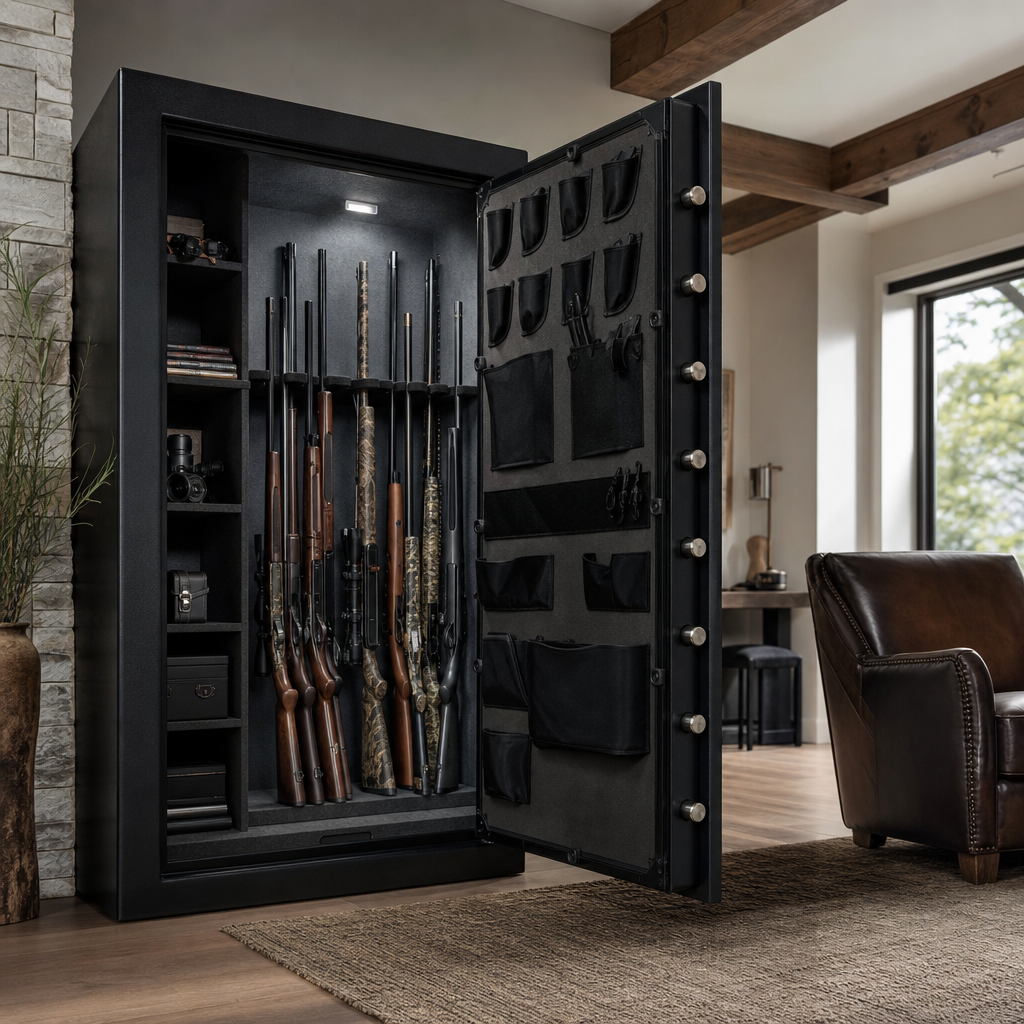
Gun safe brands that are setting new industry standards are reshaping how owners think about burglary protection, fire resistance, access control, and long-term storage planning. In the last decade, I have watched the gun safe market move from heavy steel boxes with simple dial locks to purpose-built security systems that combine reinforced bodies, tested locking mechanisms, modular interiors, humidity management, and increasingly refined installation practices. For buyers researching gun safe comparisons and brand spotlights, that shift matters because brand differences now affect not just price, but also real security outcomes. A safe that looks impressive on a showroom floor can perform very differently once you examine steel thickness, door design, bolt coverage, lock certifications, anchor options, and warranty support.
This hub article explains which gun safe brands are pushing the industry forward and how to compare them intelligently. A gun safe is a secure container designed to restrict unauthorized access to firearms while also protecting contents from theft, fire, and environmental damage. Industry standards refer to the measurable features and practices that separate credible safes from marketing-driven products: body gauge, door plate construction, Underwriters Laboratories lock listings, burglary ratings such as Residential Security Container classifications, fire testing methods, fit and finish, and post-sale service. Understanding these terms helps buyers avoid a common mistake I see regularly: choosing by exterior appearance, logo familiarity, or advertised capacity instead of verified construction details.
As the hub for gun safe comparisons and brand spotlights, this page gives you a framework for evaluating major players across the market, from value-oriented cabinets to premium American-made safes and modern modular systems. The goal is not to crown one universal winner, because the right choice depends on firearm count, home layout, risk tolerance, and budget. Instead, the goal is to identify the brands that are raising expectations in meaningful ways, explain what they do differently, and show how those choices affect day-to-day ownership. If you are comparing Liberty, Fort Knox, Browning, Rhino Metals, Vaultek, SnapSafe, Hollon, or SecureIt, this guide will help you focus on standards that actually matter.
What New Industry Standards Really Look Like in a Gun Safe
When people ask which gun safe brands are best, I start by reframing the question. The stronger question is which brands are improving the standards that define a quality safe. In practice, those standards include thicker steel, more resistant door edges, better weld quality, genuine bolt-work engineering, third-party-listed locks, transparent fire test language, and interiors that support safe firearm organization. A brand sets a new standard when it improves one or more of those areas in a way competitors must eventually follow.
For example, many brands advertise enormous gun capacities, yet experienced buyers know those numbers are optimistic. Brands that are setting better standards design adjustable interiors around optics, modern sporting rifles, and accessory storage instead of counting tightly packed wood-stocked long guns. Likewise, lock quality is no longer a small detail. Mechanical dial locks from Sargent and Greenleaf or electronic locks carrying a UL Type 1 listing remain the benchmark because lock failure or bypass risk can turn a heavy safe into an expensive cabinet. The best brands are also more transparent about whether their safes carry a true RSC rating and how their fire claims were developed.
Another emerging standard is practical installability. A safe that offers excellent steel but cannot be moved into a basement, anchored correctly, or integrated into a room layout may be the wrong solution. That is why modular systems and lighter high-security designs have gained traction. In homes where stair access, limited floor loading, or narrow doorways make traditional one-piece safes difficult, brands that rethink delivery and assembly are solving real ownership problems rather than just adding cosmetic upgrades.
How to Compare Gun Safe Brands Without Falling for Marketing
The most reliable gun safe comparisons begin with construction, not branding. Check body steel gauge first. In broad terms, 12-gauge steel is meaningfully stronger than 14-gauge, and 10-gauge is stronger still. Some premium models use 3/16-inch or 1/4-inch plate steel bodies or doors. Door construction matters as much as body thickness because many attacks target the door edge and lock area. A composite door with multiple layers and hard plate protection over the lock can outperform a thinner one-piece design.
Next, review lock credentials, bolt-work, and relocking features. A UL-listed mechanical or electronic lock is the baseline I recommend. Active bolts on all four sides sound impressive, but bolt count alone does not determine security. What matters is how the door frame resists pry attacks and whether fixed hinge-side bars or dead bars prevent removal when hinges are compromised. Hard plates, spring-loaded relockers, and robust cam or gear-driven bolt systems are indicators of serious design work.
Fire protection deserves careful scrutiny because the market uses inconsistent test language. Some manufacturers cite independent testing at specific temperatures and durations; others rely on internal protocols. Fireboard composition, door seals, and construction quality all influence performance. I advise buyers to treat fire ratings as comparative signals rather than guarantees, then prioritize placement, insurance, and document backup along with safe selection.
| Comparison Factor | What Strong Brands Provide | Why It Matters |
|---|---|---|
| Steel thickness | 12-gauge minimum in many mid-tier safes; 10-gauge or plate steel in premium lines | Resists pry attacks and slows cutting or punching attempts |
| Lock quality | UL-listed Type 1 electronic or proven mechanical dial locks | Reduces lock failure risk and improves tamper resistance |
| Burglary rating | RSC certification or stronger construction approaching commercial standards | Provides a baseline, third-party-tested measure of entry resistance |
| Fire protection | Clear time-and-temperature claims with layered insulation and expanding seals | Improves survivability of firearms, documents, and optics |
| Interior design | Adjustable shelving, rifle cradles, door storage, optic-friendly spacing | Makes stated capacity more realistic for modern firearms |
Finally, compare warranty and service. A gun safe is a long-life purchase, and service quality often reveals more about a brand than advertising does. Leading companies offer lifetime structural warranties, fire coverage terms, and lock repair support. Read how claims are handled, whether locksmith costs are covered, and whether replacement policies apply after attempted burglary or fire. Those details separate a reputable maker from a short-term marketer.
Liberty Safe and the Mainstream Push Toward Better Construction
Liberty Safe remains one of the most recognizable names in the category because it helped normalize features that buyers now expect in mainstream home safes. Across lines such as Centurion, Colonial, Fatboy, Franklin, and Presidential, the company moved many consumers beyond entry-level cabinets into true safe ownership. The brand’s influence comes from broad dealer reach, consistent fit and finish, and a lineup that clearly stair-steps from basic to premium without making comparison impossible.
From a standards perspective, Liberty has been important in making thicker steel, upgraded locking systems, and more useful interiors visible to ordinary buyers. Models higher in the range offer stronger bodies, better fire protection packages, and features such as military-style locking bars on some designs. In real buying conversations, Liberty often becomes the reference point against which other brands are measured, especially in suburban family households seeking a balance between theft deterrence and document protection.
Its limitations are equally important to understand. Not every Liberty model offers the same steel thickness or burglary resistance, and shoppers can overgeneralize based on the logo alone. Entry models compete on accessibility, while upper-tier models are where the brand’s construction advantages show more clearly. That makes Liberty a useful comparison anchor for this hub: dependable, widely available, and often a strong choice, but still a brand where line-by-line scrutiny matters.
Fort Knox, American Security, and the Premium Build Quality Benchmark
When buyers want a brand that signals serious construction, Fort Knox and American Security, commonly called AMSEC, frequently enter the conversation. These companies have helped define the premium end of the residential and light commercial market. Fort Knox is known for customization, heavy steel options, robust bolt-work, and a build philosophy centered on tailoring safe specifications to the user. For homeowners with substantial collections, rural properties, or elevated theft concerns, that flexibility is valuable.
AMSEC stands out because its catalog bridges residential gun safes and commercial security products, giving the company unusual credibility in burglary protection. The BF series, for example, is often cited because it combines a substantial steel body with a formed dry-light insulation barrier and a thicker door than many mass-market competitors. I have seen experienced safe shoppers migrate toward AMSEC after realizing that glossy interiors and large bolt counts do not compensate for lighter construction.
Both brands illustrate what a higher industry standard looks like: more steel, stronger lock protection, better door engineering, and less reliance on decorative marketing. They are not the cheapest options, and weight, delivery logistics, and budget can be obstacles. But they have influenced the broader market by proving that informed customers will pay for measurable security gains, not just paint, chrome, and oversized capacity claims.
Browning, Rhino Metals, and the Rise of Smarter Interior Design
Browning and Rhino Metals have advanced the category in a different way by focusing on usability without ignoring core security features. Browning’s DPX door system changed what many owners expect from interior organization. By moving long-gun storage to the door panel on certain models, Browning improved access and reduced the cramped feel common in traditional safes. For households storing scoped rifles, shotguns, handguns, magazines, and documents together, that design can make the advertised capacity far more realistic.
Rhino Metals, including Rhino, Kodiak, and Bighorn branded products, has also played a notable role in broadening feature expectations across price points. Depending on the line, buyers may find respectable steel, multiple lock choices, good accessory support, and practical interiors that work with modern firearms. The company has helped demonstrate that thoughtful storage, better shelving, and user-centered layouts are not luxury extras. They are part of what makes a safe function safely every day.
This matters because a poorly organized safe leads to risky behavior: firearms leaned against each other, optics knocked out of zero, documents buried behind cases, and users leaving the door open longer while searching for gear. Brands that improve access and storage discipline are improving safety indirectly. In a hub focused on gun safe brand spotlights, Browning and Rhino deserve attention because they turned interior design into a serious comparison category rather than an afterthought.
Vaultek, SecureIt, and the Innovation Wave in Access and Modularity
Some of the most important new standards are coming from companies that do not always resemble traditional safe manufacturers. Vaultek has pushed the handgun safe and smart-access segment forward with features such as biometric entry, Bluetooth management on certain models, backup key access, rechargeable power systems, and compact designs suited to bedside, vehicle, and closet use. While no electronic feature should be trusted blindly, Vaultek helped establish that rapid access and secure storage can coexist when engineering is disciplined and users understand battery maintenance, firmware practices, and override options.
SecureIt approached the market from a different angle by rethinking the full-size gun safe itself. Its modular gun cabinets and storage systems address one of the biggest ownership barriers: moving heavy safes through homes, apartments, or upper floors. The brand’s Agile line and CradleGrid organization system are especially relevant for owners who need flexible rifle storage, quick assembly, and efficient use of tight spaces. In my experience, SecureIt products often attract buyers who would otherwise postpone safe ownership because traditional models are too heavy, too permanent, or too difficult to install.
These brands are setting standards in niches that increasingly shape the mainstream. Fast authorized access matters for defensive firearms. Modular installation matters for urban living, military moves, rented homes, and aging homeowners planning future relocation. Neither brand replaces the role of a heavy premium safe in every scenario, but both have forced the industry to serve real-life storage situations more intelligently.
What Buyers Should Match to Their Home, Collection, and Risk Level
The best gun safe brand is the one that fits your threat profile and daily routine. If your main concern is smash-and-grab burglary, prioritize steel thickness, anchorability, and concealment over luxury interiors. If you store paperwork, suppressor paperwork, heirlooms, or digital media, fire protection and interior segregation deserve more weight. If children are in the home, access control, audit discipline, and lock reliability become nonnegotiable. For collectors with optics-heavy rifles, interior flexibility can be as important as exterior dimensions.
Placement is part of the comparison process. A safe in a garage faces humidity swings and sometimes lower fire protection from surrounding contents. A second-floor installation raises structural and delivery concerns. A basement can improve concealment but complicate moisture control. I routinely recommend dehumidifier rods, desiccants, anchored installation into concrete when possible, and enough clearance to open doors fully without forcing awkward access.
This subtopic hub should also guide readers toward deeper comparisons. A focused brand spotlight can examine Liberty versus Browning for family use, Fort Knox versus AMSEC for premium burglary resistance, or SecureIt versus traditional safes for apartment living. Another comparison may center on mechanical versus electronic locks, U.S.-made versus imported manufacturing, or RSC-rated safes versus lighter gun cabinets. Using this page as the foundation, buyers can narrow choices based on evidence rather than general reputation.
Gun safe brands that are setting new industry standards do not all lead in the same way. Some, like Liberty, raised mainstream expectations for what a home gun safe should include. Others, such as Fort Knox and AMSEC, continue to define premium benchmarks through heavier construction, stronger doors, and more serious burglary protection. Browning and Rhino Metals helped prove that interior organization, accessibility, and realistic capacity are critical parts of safe performance. Vaultek and SecureIt pushed innovation in fast access, compact protection, and modular installation, solving practical ownership problems that older designs often ignored.
The central lesson from every gun safe comparison is simple: buy based on verified construction, lock quality, fire strategy, and fit for your home, not on branding alone. Steel gauge, door design, lock listings, anchoring options, warranty terms, and usable interior space tell you more than glossy paint or oversized capacity numbers. A well-chosen safe supports responsible firearm ownership every day by reducing unauthorized access, organizing equipment properly, and protecting what matters most during theft attempts or house fires.
Use this hub as your starting point for deeper gun safe brand spotlights and side-by-side comparisons. Identify your risks, measure your space, set a realistic budget, and compare brands by the standards that truly affect security. That process will lead you to a better safe and a safer home.
Frequently Asked Questions
What makes certain gun safe brands stand out as new industry leaders?
The brands setting new industry standards are doing much more than making heavier boxes with bigger lock bolts. They are improving the entire safe system, from steel construction and door design to lock reliability, fire testing, interior flexibility, and installation support. A standout brand typically focuses on measurable performance instead of vague marketing claims. That means thicker steel in the body and door, stronger hard plates around the lock, reinforced hinge-side protection, better boltwork geometry, and doors designed to resist pry attacks at common weak points.
Another major difference is how these brands approach fire resistance. Leading manufacturers are moving toward more transparent fire ratings, stronger door seals, better insulation layering, and construction methods designed to slow heat transfer to the contents. Buyers are also seeing improvements in real-world usability. Adjustable shelving, rifle racks that accommodate optics, dedicated storage for documents and valuables, interior lighting, power ports, and dehumidification options all reflect a more thoughtful design process.
Access control is another area where the best brands are raising expectations. Mechanical and electronic locks are being paired with upgraded relockers, better tamper resistance, and more dependable everyday operation. Some brands also distinguish themselves by offering stronger warranties, clearer testing standards, and dealer networks that understand delivery, anchoring, and long-term ownership. In short, industry leaders stand out because they treat a gun safe as a complete security product rather than just a steel cabinet with a lock on the front.
How important are burglary ratings and construction quality when comparing gun safe brands?
They are extremely important, and in many cases they matter more than cosmetic features or headline capacity numbers. The first job of a gun safe is to delay unauthorized access, so construction quality should be one of the top criteria in any buying decision. When comparing brands, it is wise to look closely at steel thickness, door plate construction, body reinforcement, locking bolt engagement, corner strength, and how the frame is built around the door opening. A safe can look impressive from the outside while still relying on thinner materials or design shortcuts that make it easier to pry open.
Burglary ratings, when clearly defined and backed by recognized testing, can be especially helpful because they provide a more objective benchmark than brand marketing alone. Even if a safe is not in a high-end commercial classification, better brands tend to publish more meaningful information about their build quality and anti-attack features. This may include drill-resistant plates, relocking devices, reinforced lock areas, continuous welds, anti-pry tabs, and stronger anchoring provisions. The more detailed and transparent a manufacturer is, the easier it is to compare real value across models.
It is also important to remember that burglary resistance is affected by installation. A well-built safe that is poorly placed or left unanchored can be far more vulnerable than a slightly smaller safe that is securely installed in a smart location. This is why the best brands increasingly emphasize placement, anchoring, and access limitations as part of their overall security philosophy. For most buyers, the safest path is to prioritize proven construction and honest engineering over flashy features that do little to improve actual protection.
Are newer locking systems actually better than traditional dial locks?
Not automatically, but in many cases they are better for the way modern owners use their safes. Traditional mechanical dial locks still have a strong reputation for durability, long service life, and independence from batteries or electronic components. They remain a solid choice for owners who value simplicity and are comfortable with slower access. A well-made dial lock from a reputable manufacturer can provide excellent long-term reliability when properly maintained and professionally installed.
That said, newer electronic locking systems have improved significantly, and the best gun safe brands are using better components, more refined programming, and stronger protections against tampering and lock failure. For many households, faster access is a meaningful advantage, especially when the safe is opened regularly. Modern keypad locks can make day-to-day use easier, encourage consistent locking habits, and reduce user frustration. Some brands are also pairing electronic locks with internal relockers and hardened protection plates to preserve security while improving convenience.
The right choice depends on the owner’s priorities. If absolute simplicity and a long-established mechanical design matter most, a dial lock remains relevant. If quick access, frequent use, and ease of operation are more important, a high-quality electronic lock from a respected brand may be the better fit. The key point is that lock quality matters more than lock type alone. The safest approach is to choose a brand known for using proven lock platforms, offering service support, and standing behind its hardware over time.
How should buyers evaluate fire resistance claims from different gun safe brands?
Fire resistance should be evaluated carefully because not all ratings are created equal. Many buyers make the mistake of comparing only the number of minutes listed in advertisements, without asking how the rating was achieved or what test standard was used. The strongest brands tend to provide more context, including test temperatures, duration, seal design, insulation methods, and whether the rating came from internal testing or an independent process. That level of transparency matters because fire protection depends on more than just adding layers of insulation to the walls.
Well-designed fire protection usually includes multiple elements working together: insulating materials within the body and door, expanding heat seals around the frame, tighter door tolerances, and construction methods intended to reduce weak spots where heat can penetrate. Better brands also understand that fire performance must be balanced with burglary resistance. A safe overloaded with interior materials but built with weak steel or poor door geometry may sound impressive in marketing, yet underperform where it matters most. The best manufacturers build for both threats rather than treating fire resistance as a standalone feature.
Buyers should also match fire resistance to real storage goals. If the safe will hold firearms only, one level of protection may be reasonable. If it will also store documents, photos, cash, or sensitive media, fire performance becomes even more important, and specialized storage solutions may be worth considering. Ultimately, fire ratings should be viewed as one part of a larger protection strategy that includes room placement, home fire risk, insurance planning, and the understanding that no residential safe is invincible under severe fire conditions.
What should buyers look for beyond the safe itself when choosing a top-tier gun safe brand?
One of the biggest signs of a truly advanced brand is that it thinks beyond the product and considers ownership from delivery through decades of use. That starts with sizing and long-term storage planning. Better brands recognize that advertised gun counts are often optimistic, especially when owners store scoped rifles, accessories, handguns, documents, and valuables together. A thoughtful manufacturer designs interiors that are adjustable, modular, and realistic for modern collections rather than forcing buyers into cramped layouts that quickly become outdated.
Installation support is another major factor. Safe performance can be undermined by poor placement, weak flooring, lack of anchoring, or visibility to visitors and contractors. Strong brands and qualified dealers often provide guidance on where to install the safe, how to anchor it properly, whether additional moisture control is needed, and how to balance accessibility with concealment. This is especially important because a safe is a long-term security investment, not a plug-and-play appliance.
Buyers should also pay attention to warranty terms, replacement policies, lock service options, parts availability, and dealer reputation. A company can build a strong safe, but if service is difficult or support disappears after the sale, ownership becomes more frustrating over time. Finally, the best brands pay attention to environmental control and interior protection. Features like dehumidifier compatibility, power access, door organization, soft-lined shelving, and configurable storage are not just luxuries. They help owners protect firearms, optics, paperwork, and other valuables in a cleaner, more organized, and more sustainable way for the long haul.