
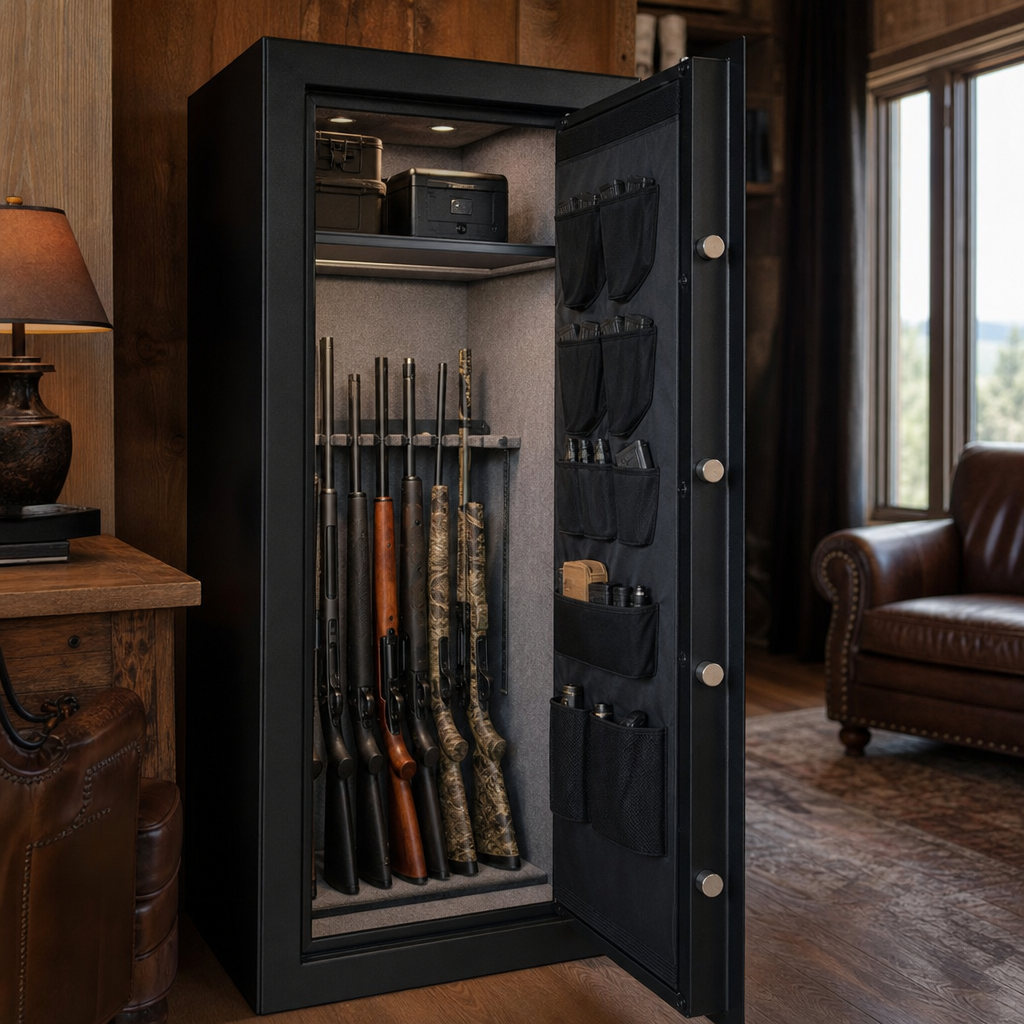
Buying a gun safe is not a one-size-fits-all decision, and the smartest purchase starts with understanding which buyer persona matches your life, collection, risk profile, and long-term plans. In the gun safes and safety category, a buyer persona is a practical profile that groups people by how they store firearms, where they live, what threats concern them most, and how quickly their needs are likely to change. I have helped first-time handgun owners, competitive shooters, rural families, collectors, and landlords compare safes, and the same mistake appears repeatedly: people shop by exterior size or sale price before defining the job the safe must do over the next ten years. Future-proof security means choosing a safe that still works after your collection grows, your household changes, insurance rules tighten, or your burglary and fire risks increase. It also means understanding terms that sellers often blur together, including Residential Security Container classifications, burglary ratings, fire resistance claims, gauge thickness, hardplate protection, relockers, anchoring, humidity control, and access method redundancy. A compact biometric safe for bedside access can be excellent for one buyer and completely inadequate for another. A large glossy safe with a long fire claim can also disappoint if the steel is thin, the lock lacks service support, or delivery conditions prevent proper anchoring. This guide explains the main gun safe buyer personas, what each one should prioritize, where common buying errors happen, and how to compare features in plain language. If you want future-proof security, the goal is not simply to buy bigger. The goal is to buy a safe system that matches present use, anticipates realistic changes, and protects firearms from theft, unauthorized access, fire, moisture, and avoidable wear.
The first-time owner persona: secure access without overbuying
The first-time owner usually has one to three firearms, limited floor space, and a strong need to prevent unauthorized access by children, guests, roommates, or service workers. This buyer often starts with a pistol safe, a small vertical cabinet, or an entry-level long-gun safe. The right choice depends on firearm type and access speed. If the owner keeps a defensive handgun loaded for lawful home protection, a fast-access bedside safe with a proven electronic or biometric lock can be appropriate, but only if it is anchored and has a mechanical override or a reliable battery warning system. If the buyer owns a shotgun or rifle as well, a small safe with room for documents, ammunition stored separately where required by local law, and basic humidity control is usually smarter than buying multiple unsecured storage pieces. In practice, I advise this persona to ignore inflated “gun count” labels; a safe marketed for twelve guns may fit six to eight scoped long guns comfortably. The first-time owner should prioritize certified lock quality, pry resistance at the door edge, pre-drilled anchor holes, and an interior layout that can adapt as accessories increase. For many households, this is the point where a modest safe becomes future-proof: not by being huge, but by leaving enough capacity for optics, paperwork, and one or two additional firearms.
The family safety persona: unauthorized access is the primary risk
For parents, grandparents, and guardians, the leading concern is preventing unauthorized handling while keeping lawful access realistic in an emergency. This buyer persona should think in layers rather than a single product. A full-size anchored safe handles long-term storage, while a separate rapid-access handgun safe may cover the defensive firearm used at night. The family safety buyer must look past advertising language and check whether the lock has a documented history, whether the safe can be opened under stress in darkness, and whether children can observe and imitate the code sequence. Mechanical simplex-style locks on quick-access boxes remain attractive because they avoid battery failure, though they may offer fewer combinations than some electronic systems. Electronic keypad safes can be excellent if built by reputable manufacturers and tested regularly. Biometric access has improved, but fingerprints can fail with sweat, dryness, dirt, or poor finger placement, so redundancy matters. Families should also review safe placement. A closet installation may hide the safe, but if shelving blocks full door swing or cramped spacing prevents rapid retrieval, the setup is flawed. In homes with teenagers, adding audit features, separate ammo compartments, and clear household rules can reduce negligent access. Future-proofing here means planning for changing ages, schedules, and household visitors, not just today’s routines.
The collector and enthusiast persona: growth, documentation, and true capacity
Collectors and serious enthusiasts often outgrow their first safe years earlier than expected because accessories consume more space than firearms alone. Scoped rifles, AR-style platforms with lights and slings, suppressor paperwork, handguns in sleeves, magazines, and camera-documented records all compete for interior room. This buyer persona should begin with an inventory spreadsheet and a realistic five-year acquisition estimate. Insurance documentation is essential, so interior organization matters almost as much as shell size. Adjustable shelving, door organizers rated for loaded pouches, and sections for handguns and optics can dramatically improve usable capacity. Collectors should pay close attention to steel thickness and door construction because high-value collections are more attractive burglary targets. A safe using 10-gauge or thicker body steel, quality boltwork, hardplate over the lock area, and active relockers is usually a better investment than an oversized but lightly built cabinet with decorative finishes. Fire protection also deserves skepticism and context. Manufacturers may advertise ninety minutes or two hours, but test methods vary, and many claims are not directly comparable. I tell collectors to read independent reviews, ask what temperature standard was used, and remember that interior peak temperature, seal performance, and placement in the home all affect outcomes. For this persona, future-proof security usually means buying more burglary resistance and modular organization before buying cosmetic upgrades.
The rural and high-risk location persona: burglary delay and fire context matter most
Buyers in rural areas, isolated properties, wildfire-prone regions, or homes with slower law-enforcement response times face a different equation. Here, the safe must delay attack longer because interruption is less likely, and the fire conversation becomes more specific than a generic marketing label. Rural owners often keep more long guns, use outbuildings, and may store hunting equipment seasonally. If a safe goes in a detached shop or barn, temperature swings and humidity become major issues, and many standard interior materials will trap moisture unless the owner adds a dehumidifier rod, desiccants, and routine monitoring. Burglary resistance should center on thicker steel, reinforced door frames, robust anchoring into concrete, and room placement that limits pry bar leverage. In wildfire zones, placing a safe on an exterior wall can be a tradeoff; it may improve delivery logistics but increase heat exposure depending on construction type. A better approach is often a ground-floor interior location with lower collapse risk and better slab anchoring. This buyer should also consider whether emergency documents, cash, and digital backups belong inside a secondary fire-rated media container within the safe. The future-proof lesson is simple: when outside help may be delayed, every added minute of forced-entry resistance and every improvement in environmental control has greater value than decorative features or app connectivity.
The apartment, condo, and urban persona: footprint, weight, and discretion drive the choice
Urban buyers work within elevator limits, stair turns, lease restrictions, concrete or post-tension flooring rules, and the reality that neighbors notice large deliveries. In apartments and condos, the best gun safe is often the one that can be installed correctly without advertising its presence. This persona should measure doorways, hallway widths, stair landings, and final placement clearances before shopping. Weight matters because a very heavy safe may exceed practical moving limits or create floor-loading questions in older buildings. That does not mean settling for poor security. Many compact safes now combine respectable steel thickness, recessed doors, internal hinges, and anchor capability into wardrobes, closets, or cabinetry. Discretion is a real security feature. Neutral finishes, concealed locations, and scheduled white-glove delivery reduce exposure. Urban owners should be especially wary of cheap biometric boxes marketed for convenience but built with thin metal and weak latching. Because theft crews in dense areas may use hand tools and speed, secure anchoring and concealment often matter more than adding another twenty advertised fire minutes. This persona may also benefit from splitting storage: a compact long-gun safe for core firearms and a hidden quick-access handgun safe for defensive use. Future-proofing means selecting a solution you can legally install now and still relocate if you change buildings, not buying a massive unit that becomes impossible to move or anchor.
How to match persona to features and budget
Most buyers can narrow the field quickly by aligning persona, threat level, and total ownership cost rather than staring at dozens of model numbers. The table below captures the practical starting point I use when helping customers compare options.
| Buyer persona | Top priorities | Common mistake | Better future-proof choice |
|---|---|---|---|
| First-time owner | Anchoring, lock reliability, real capacity | Buying a tiny safe with no growth room | Small safe with adaptable interior and override access |
| Family safety buyer | Unauthorized access prevention, rapid access, placement | Relying on one safe for every use case | Full-size safe plus separate quick-access handgun safe |
| Collector or enthusiast | Steel thickness, organization, documentation, insurance support | Trusting listed gun counts and cosmetic upgrades | Heavier safe with modular interior and stronger burglary features |
| Rural or high-risk owner | Forced-entry delay, anchoring, humidity and fire planning | Installing in an outbuilding without climate control | Concrete-anchored safe indoors with dehumidification and layered storage |
| Apartment or urban buyer | Footprint, discreet delivery, legal installation, concealment | Buying a heavy unit that cannot be installed properly | Compact high-quality safe sized for access routes and secure anchoring |
Budget should include delivery, installation, anchoring hardware, power for dehumidification, and periodic lock service. A bargain safe that arrives curbside and remains unanchored is often a poor value. Reputable brands typically publish body steel, lock type, bolt diameter, and fire details with more clarity than low-cost imports, and that transparency is worth paying for.
The practical buying checklist: what separates marketing from real security
Across all personas, a few checks reveal whether a safe is likely to perform well. First, inspect the steel specification. Gauge numbers can confuse shoppers because lower gauge means thicker steel. Second, identify the lock brand and ask whether replacement parts and technician support are available locally. Third, verify relockers, hardplate, and hinge-side protection rather than assuming every safe has them. Fourth, confirm anchor hole placement and the actual floor material in your home. Fifth, evaluate interior dimensions, not just exterior dimensions, especially if you own scoped rifles. Sixth, review fire claims with caution and compare test details wherever available. Seventh, think about environmental control from day one; rust damage is a real threat in basements, garages, and humid climates. Finally, test the opening method repeatedly before trusting it for defensive access. I have seen buyers spend heavily on paint, lighting, and door organizers while overlooking the simple issue that their chosen spot prevented full bolt throw or easy code entry. The best gun safe buyer personas framework works because it keeps the decision grounded in actual use. Define your persona, rank your threats, buy for realistic growth, and install the safe correctly. If you are building out your gun safes and safety plan, use this guide as the hub, then map your next steps by storage type, access needs, and installation constraints before you buy.
Frequently Asked Questions
How do I choose a gun safe that still fits my needs five to ten years from now?
The best way to future-proof a gun safe purchase is to buy for the collection, lifestyle, and risk profile you are likely to have later, not just the one you have today. Many buyers make the mistake of counting only their current firearms, then discover within a few years that they have added optics, documents, heirlooms, ammunition storage needs, and more long guns than expected. A safe that feels roomy on day one can become cramped very quickly once shelves, door organizers, handguns, magazines, and accessory storage are factored in. In practical terms, that means choosing a model with more internal capacity than your current inventory suggests and looking closely at interior flexibility, including adjustable shelving, long-gun spacing, and the ability to reconfigure storage as your collection changes.
You should also think beyond raw capacity and evaluate how your life may evolve. A first-time handgun owner in an apartment may later move into a house, start collecting rifles, or become more concerned about burglary response times and fire protection. A rural family may need a safe that supports defensive access, document protection, and room for multiple users. Competitive shooters often need faster access to frequently used firearms and accessories, while collectors may prioritize interior organization and finish protection. Future-proofing means matching the safe to your likely growth path, including where it will be installed, whether it can be moved if you relocate, and whether its locking system, fire rating, anchoring options, and build quality will still make sense as your needs become more complex.
What matters more when buying a gun safe: fire protection, theft resistance, or quick access?
The honest answer is that it depends on your buyer persona, because each of those priorities solves a different problem. Theft resistance is critical if your main concern is unauthorized access, smash-and-grab burglary, or securing a growing firearm collection against forced entry. In that case, pay close attention to steel thickness, door construction, bolt design, pry resistance, internal hinges versus exposed hinges, and whether the safe can be properly anchored to concrete or a structurally sound floor. A safe that cannot be easily removed is often far more effective in real-world burglary prevention than one with impressive marketing language but weaker construction.
Fire protection becomes more important for buyers who store not just firearms but also irreplaceable paperwork, valuables, optics, family records, and sentimental items. However, fire ratings are not all equal. Look at the stated temperature, the duration, and whether the rating appears meaningful and specific rather than vague. Consider where the safe will sit in the home as well, since garage placement, basement moisture, and upper-floor installation can all affect both fire exposure and practical usability. Quick access matters most for homeowners who keep at least one firearm for defensive use and need a balance between secure storage and rapid retrieval. For those buyers, lock type, user reliability under stress, and access consistency in low light are just as important as internal size. The right choice is usually not one feature over the others, but the best blend of all three based on your actual threats, response time realities, and how the safe will be used every day.
Should I buy a bigger safe than I think I need?
Yes, in most cases buying larger than your current needs is one of the smartest decisions you can make. Gun safe capacity numbers are often optimistic, especially when manufacturers count tightly packed long guns without accounting for scopes, slings, bipods, pistol grips, and realistic spacing. Once you add handgun storage, ammunition kept separately inside designated areas, suppressor accessories where legal, cleaning supplies, important documents, and door-panel organization, the usable interior can shrink fast. Buyers who start with a “just enough” safe often end up replacing it much sooner than expected, which is usually more expensive than sizing up from the beginning.
A larger safe also gives you more flexibility as your collection or household changes. You may add new firearms, store estate items for family members, or decide to protect passports, cash, jewelry, digital backups, and legal paperwork in the same unit. If multiple people in the home need access, extra interior organization becomes even more valuable. That said, bigger is only better if it still matches your space, floor load considerations, installation path, and ability to anchor it properly. A safe that is oversized for the room but poorly placed or impossible to secure can create new problems. The goal is not to buy the largest safe available, but to choose a size that gives you meaningful growth room while still fitting your home, your budget, and your long-term security plan.
Which lock type is best for a future-proof gun safe: mechanical, electronic, or biometric?
Each lock type has strengths, and the best choice depends on how you balance long-term reliability, speed, maintenance, and user habits. Mechanical dial locks have a strong reputation for durability and simplicity. They do not depend on batteries, and many buyers appreciate their proven track record over decades of use. They can be an excellent choice for owners who prioritize reliability over speed and do not need immediate defensive access several times a week. The tradeoff is convenience. Mechanical locks are slower to open, less intuitive for some users, and can be frustrating if multiple household members need fast, repeatable access.
Electronic keypad locks are often the most practical middle ground for modern buyers. They are generally faster to open, easy to use consistently, and well suited to owners who want a balance of security and convenience. Quality matters here; a well-made electronic lock from a reputable manufacturer is very different from a low-end keypad on a bargain safe. Biometric locks offer the fastest access in theory, but reliability can vary depending on sensor quality, finger condition, humidity, backup entry options, and how well the system is maintained. For a future-proof purchase, think less about what sounds advanced and more about what you and your household will trust and use correctly over time. A lock is only effective if it works consistently in real conditions and if the people authorized to use it can operate it confidently under stress.
What installation and placement mistakes can undermine an otherwise good gun safe?
Placement and installation have a major impact on how secure and useful a gun safe actually is. One of the biggest mistakes is treating the safe like a heavy piece of furniture rather than a security device that needs strategic positioning. A quality safe should be anchored whenever possible, because even a heavy unit can become vulnerable if thieves can tip it, pry at weak angles, or remove it entirely for later attack. Another common error is putting the safe in a highly visible or easily accessible area without considering privacy, wall support, humidity, fire exposure, and daily routine. The “best” spot is often a balance between concealment, structural support, climate control, and practical access for the owner.
Buyers also overlook environmental issues that affect long-term performance. Basements can introduce moisture concerns, garages can expose the safe to temperature swings and visibility, and upper floors may require careful attention to weight distribution and safe-moving logistics. It is equally important to confirm the delivery path before purchase. A safe that technically fits a room but cannot be moved through doors, around corners, or down stairs without major difficulty can become a costly problem. Finally, poor interior planning can reduce usability even if the safe itself is excellent. If the safe is hard to reach, badly lit, overstuffed, or installed in a way that discourages regular use, owners may fall into unsafe storage habits elsewhere. A future-proof setup means the safe is not only strong on paper, but also well placed, properly anchored, protected from avoidable environmental damage, and easy enough to use that secure storage remains the default habit.