
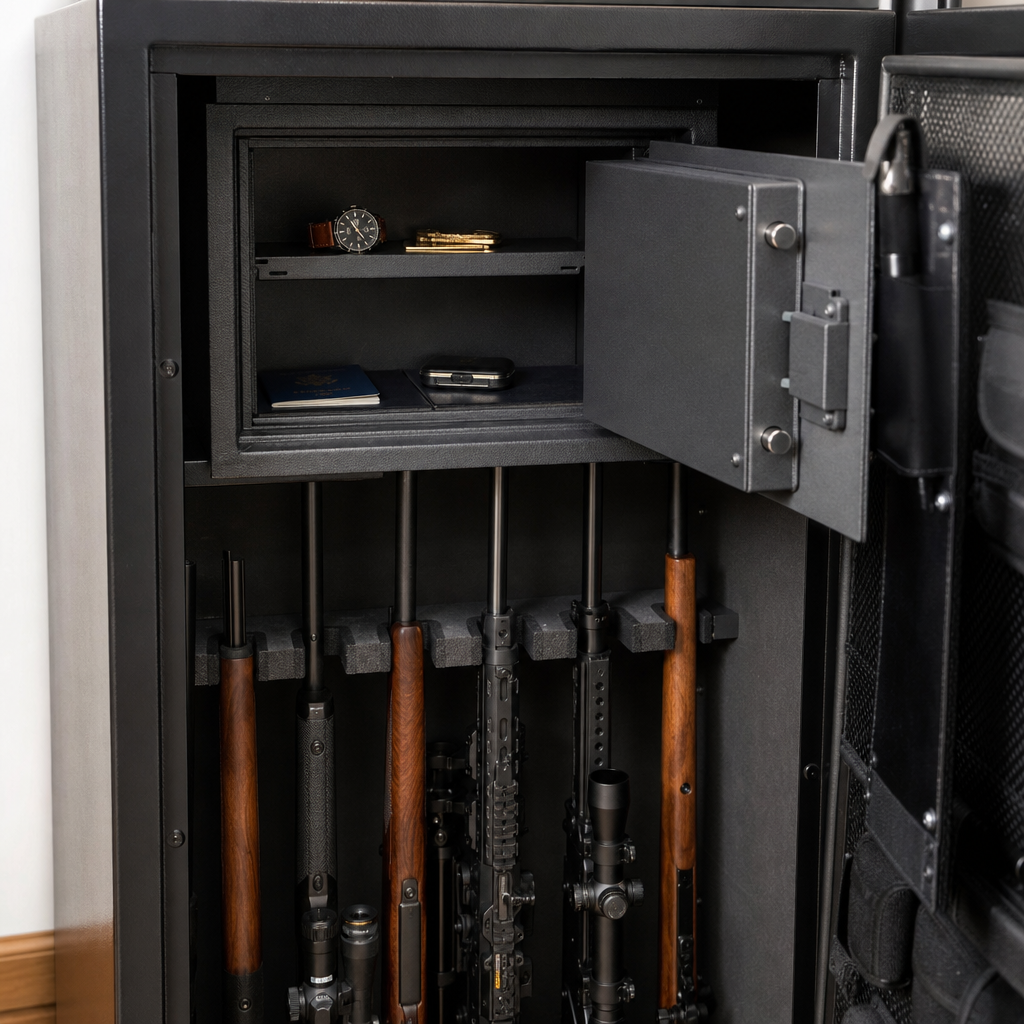
Adding an internal safe box inside a gun safe is one of the most practical upgrades you can make when you need layered protection for handguns, documents, jewelry, cash, suppressor paperwork, or medication. In simple terms, an internal safe box is a smaller lockable container mounted or secured inside the larger gun safe, creating a second barrier that slows theft, limits unauthorized access, and helps separate items by risk level. I recommend this modification often because many owners eventually realize that one large compartment does not solve every storage problem. You may want quick access to a defensive pistol while keeping NFA tax stamps, family passports, backup keys, and valuables isolated from teenagers, houseguests, or service workers. A secondary box also improves organization, which matters more than people expect when a safe becomes crowded.
This topic matters because gun safe security is not just about steel thickness or lock ratings. Real protection comes from delay, compartmentalization, and controlling who can reach what. In my experience setting up safes for mixed-use storage, the best results come from treating the main safe as a shell and the internal safe box as a controlled-access zone. That approach supports common goals across custom and DIY gun safe modifications: better theft resistance, cleaner layout, more intentional access, and safer storage habits. This hub article explains how to choose the right internal box, where to place it, how to install it without compromising fire lining or door function, and how this project fits into broader modifications such as lighting, shelving, humidity control, pistol racks, and power routing. If you want extra security without replacing your entire safe, this is the upgrade that delivers the most benefit for the least complexity.
What an Internal Safe Box Does and When It Makes Sense
An internal safe box adds security through layered access control. If someone opens the main safe, they still cannot immediately reach the contents of the secondary box. That is useful in several real-world situations: a spouse has access to household firearms but not to business cash; a teenager can access hunting gear under supervision but not defensive handguns; or a cleaner, contractor, or temporary pet sitter should never be able to see high-value items even if the main safe is briefly opened. For estate planning, it also helps keep legal paperwork and serialized accessories together.
The best use cases are small, high-value, or high-liability items. Think carry pistols, spare magazines, optics, precious metals, hard drives, trust documents, passports, and prescription medication. It is less effective for long guns, bulky ammunition cans, or anything requiring immediate full-family access. The main point is selective restriction. A quality internal box can be keyed, mechanical combination, or electronic. Mechanical locks avoid batteries and generally age well. Electronic locks are faster and easier for frequent access, but only if you maintain batteries and use a proven brand. Simple lockable steel cash boxes are cheap, but they are usually thin and easy to pry. Better options include handgun vaults, lockable document chests, and compact steel security lockers with reinforced doors.
How to Choose the Right Internal Safe Box
Start with dimensions, lock type, steel construction, and mounting options. Measure the inside of your safe carefully, including shelf overhang, door swing, interior pockets, dehumidifier rods, and rifle barrel clearance. I always tell owners to build a cardboard mockup first because interior layouts on paper often fail once shelves, handguns, and outlet kits are in place. Leave enough room to open the inner box fully without striking the safe door or blocking access to neighboring shelves.
For materials, 16-gauge steel is a minimum baseline for light-duty organization, while 14-gauge or thicker is better for meaningful pry resistance. Look for a boxed frame around the door, concealed hinges where possible, and pre-drilled anchor points. Interior padding is useful for optics and pistols, but removable foam is better than glued foam because it traps less moisture and is easier to clean. If the box will store documents, verify whether it has any independent fire rating. Most do not, so the larger safe remains the primary fire barrier.
Lock choice should match use. A keyed box is simple and inexpensive but creates key-management problems. A mechanical simplex-style lock is excellent for reliability and speed. Electronic keypad boxes work well when you need one-handed access, especially for a bedside handgun kept inside a larger safe during the day. Avoid novelty biometric units unless they are from established manufacturers with strong testing records. Fingerprint sensors can fail with dry skin, dirty readers, or poor enrollment, and that is not acceptable when the contents are important.
Best Placement Inside the Gun Safe
Placement determines whether the modification helps or becomes a daily annoyance. The safest and most practical locations are on a fixed shelf, bolted to the floor plate, or mounted against a reinforced side wall where the inner box does not interfere with firearms. In many full-size residential security containers, the top shelf is the most efficient spot for documents and valuables because it keeps them out of the traffic zone used for rifles. For handgun access, a mid-height shelf often works better because it reduces awkward reaching and lowers the chance of dropping a loaded firearm.
Avoid blocking anchor bolt access, door organizer pockets, interior hinges, and electrical pass-throughs. Keep the internal box away from humidifier drain areas or from desiccant packs likely to be moved. If your main safe uses gypsum-based fireboard behind fabric panels, do not assume every side wall is suitable for drilling. Some interiors conceal thin sheet metal over insulation, and aggressive mounting can reduce fire protection or create loose debris. When I plan placement, I check three movements: safe door opening, inner box door opening, and hand clearance for removing the intended item. If any one of those motions is cramped, the installation will be frustrating over time.
Installation Methods That Protect the Main Safe
The installation method should secure the internal box without weakening the safe. Bolting through an existing steel shelf or through factory accessory holes is usually the cleanest solution. If you must drill, confirm what is behind the panel first. Many manufacturers will provide interior diagrams if you contact support with the model number. Use short grade 5 or grade 8 hardware, wide washers, and nylon-insert lock nuts where possible. Fender washers spread force and reduce pull-through on thinner panels.
Strong adhesives, industrial hook-and-loop systems, and magnets may hold a light organizer, but they are poor choices for a true security box. A thief who defeats the main safe should not be able to lift the secondary container and attack it elsewhere. Mechanical fastening matters. If drilling is off limits, another proven approach is to bolt the box to a removable steel sub-plate that is then anchored using existing shelf support channels or floor anchors. This preserves the safe body and still creates meaningful resistance.
| Method | Best Use | Advantages | Limitations |
|---|---|---|---|
| Bolt to fixed shelf | Documents, pistols, jewelry | Strong, simple, accessible | Requires shelf strength verification |
| Bolt to safe floor | Heavy lockboxes | Most stable, hard to remove | Can reduce floor storage space |
| Side-wall mount | Narrow interiors | Preserves shelf capacity | Risk of drilling into fire lining |
| Sub-plate using existing holes | No-drill installations | Protects original structure | Takes more planning and fabrication |
Tools, Materials, and Step-by-Step DIY Process
A clean installation usually requires a tape measure, painter’s tape, cardboard for templating, a center punch, drill, cobalt or titanium bits, vacuum, rust-inhibiting touch-up paint, socket set, threadlocker, washers, and eye protection. Before doing anything, unload firearms, remove ammunition, and pull every shelf or soft accessory near the work area. Metal chips inside a safe can rust, scratch finishes, and migrate into lock mechanisms or optics.
The process is straightforward. First, measure the target area and confirm door clearance. Second, build a cardboard template and test opening angles. Third, locate existing holes or shelf supports that can be used before deciding to drill. Fourth, mark hole positions with tape, then punch them to prevent bit wandering. Fifth, drill slowly and capture shavings immediately. Sixth, seal exposed metal with touch-up paint to reduce corrosion. Seventh, bolt the box in place with washers on both sides when possible, then torque hardware firmly without crushing thin metal. Finally, test the main safe door, relock everything, and practice retrieving the stored items in normal lighting and low light.
If your safe has carpeted or fabric-lined panels, lift and cut only what is necessary. A neat X-cut often looks better than a large circular opening. For owners uncomfortable with drilling, a local metal fabricator can build a bracket or sub-plate cheaply, and many locksmiths can install the box cleanly in less than an hour.
How This Upgrade Fits Other Custom and DIY Gun Safe Modifications
An internal safe box works best as part of a complete safe organization plan. The most common related upgrades are motion-activated LED lighting, power kits, dehumidifiers, rifle rod systems, door panel organizers, shelf rebuilds, pistol racks, magazine bins, and labeled document sleeves. When these modifications are added without a hierarchy, safes become cluttered. The internal box creates that hierarchy by reserving one zone for restricted items and leaving the rest for general storage.
For example, if you install LED light strips, place the power supply so the inner box does not block service access. If you use a GoldenRod or similar dehumidifier, maintain air circulation around the box rather than sealing one shelf into a stagnant pocket. If you rebuild shelves from plywood, add a steel plate under the mounting area so the inner box has a stronger anchor surface. Pistol pegs and foam handgun hangers save space, but they should not crowd the inner box door path. The hub topic here is customization with purpose: every modification should improve security, access, capacity, or preservation. If it does not do one of those clearly, it is decoration, not a useful upgrade.
Common Mistakes, Safety Rules, and Final Buying Advice
The biggest mistake is treating any small lockbox as a true safe. Thin sheet-metal boxes mainly organize; they do not resist attack for long. The second mistake is poor placement, especially blocking long-gun retrieval or forcing users to muzzle sweep the interior while reaching around the box. The third is drilling without understanding the safe’s construction. I have seen owners puncture wiring for aftermarket lights, damage fabric liners, and loosen interior fireboard because they rushed the job.
Follow basic safety rules every time you access the safe: keep firearms unloaded during installation, verify chamber status visually and physically, store keys separately, and do not rely on the internal box as a substitute for lawful child-access prevention requirements in your state. Review manufacturer guidance from brands such as Liberty, Fort Knox, Browning, Rhino Metals, Vaultek, and V-Line, because interior materials and warranty terms vary. If your insurance schedule includes jewelry, bullion, or collectibles, ask whether a secondary locked container inside the main safe changes documentation requirements.
In the end, adding an internal safe box inside a gun safe is a high-value modification because it delivers layered security, better organization, and more controlled access without requiring a new safe. Choose a box with real steel, a dependable lock, and mountable hardware. Place it where it supports your daily routine, not where it merely fits. Install it in a way that respects the safe’s structure and fire lining. Then build the rest of your custom layout around that secure core. If you are planning broader gun safe upgrades, start with this project first, because every other modification becomes easier once your most sensitive items already have a dedicated protected space.
Frequently Asked Questions
What is an internal safe box, and why would I add one inside a gun safe?
An internal safe box is a smaller lockable container installed or secured inside your main gun safe to create a second layer of protection. Instead of storing everything behind a single door, you separate higher-risk or more sensitive items into their own locked compartment. This is especially useful for handguns, cash, jewelry, passports, legal documents, suppressor paperwork, spare keys, medication, and other valuables that may need tighter access control than the rest of your collection.
The biggest advantage is layered security. If someone gains access to the main safe, they still have to defeat another lock to reach the contents of the inner box. That extra delay matters. It can discourage smash-and-grab theft, reduce quick access by unauthorized users, and make it easier to organize valuables by category and risk level. It is also a smart solution for households where multiple adults may have access to the gun safe but should not necessarily have access to every item inside it. In practical terms, an internal safe box gives you better compartmentalization, better control, and better peace of mind without replacing your existing safe.
What should I store in an internal safe box inside a gun safe?
The best use for an internal safe box is to protect items that need stricter control than your general firearm storage. Common examples include handguns, serialized accessories, NFA-related paperwork, jewelry, cash reserves, wills, deeds, backup drives, passports, prescription medication, and small electronics. Many gun owners also use an internal box to separate everyday defensive firearms from long guns, or to keep one category of items away from family members, houseguests, or employees who may have limited access to the main safe.
A good rule is to reserve the internal box for compact, high-value, high-liability, or privacy-sensitive items. If losing the item would create legal problems, identity theft risk, or major financial loss, it is a strong candidate for the secondary compartment. It is also useful for keeping critical documents protected from accidental handling, spills, or disorganization inside a busy safe. Just make sure you do not overload the internal box or block ventilation, shelving, or access to your main safe contents. The goal is to improve control and security, not create clutter or interfere with the safe’s normal function.
How do I choose the right internal safe box for my gun safe?
Start with fit, construction, and lock type. Measure the interior of your gun safe carefully, including shelf clearance, door swing, and any obstructions such as hinges, power outlets, lighting, dehumidifiers, or rifle racks. An internal box should fit securely without forcing awkward placement or reducing access to the rest of the safe. In terms of construction, heavier steel is generally better, especially if the box is intended for valuables rather than simple organization. Look for a model with solid hinges, reinforced lock areas, and pre-drilled mounting holes if you plan to bolt it down.
Next, consider the lock. Mechanical key locks are simple but depend on key control. Mechanical combination locks avoid batteries and electronics, but they can be slower to open. Electronic keypad locks are convenient and popular for fast access, though quality matters and batteries must be maintained. Some owners prefer biometric locks for convenience, but reliability can vary by brand and environment. Also think about fire expectations, interior padding, and how you intend to access the contents. If the internal safe box is for documents and irreplaceable paperwork, a model with protective lining and a clean interior layout can be more useful than one designed strictly for firearms. The best choice is the one that fits the safe properly, resists tampering, and matches how you actually use your storage every day.
What is the best way to install an internal safe box without compromising the main gun safe?
The safest approach is to use existing shelves, factory mounting points, or interior areas where you can secure the box without damaging critical parts of the safe. Many owners bolt the internal safe box to a shelf, floor panel, or reinforced interior section, but you should always confirm what is behind the mounting surface before drilling anything. Gun safe walls may contain fireboard, insulation, wiring for lights or outlets, and structural elements that you do not want to disturb. Drilling in the wrong place can reduce fire protection, create corrosion points, damage electrical features, or weaken the safe body.
Before installation, check the manufacturer’s documentation for your gun safe and the internal box. If possible, choose a box designed for bolting through existing interior panels or mounting onto a shelf insert rather than through exterior walls. Use quality hardware, lock washers, and backing plates if needed to prevent pull-through. After mounting, verify that the main door closes properly, shelving remains stable, and the box does not interfere with firearm storage or quick visual inventory. If you are unsure about drilling, a professional safe technician or locksmith is worth consulting. Done properly, the installation should make the main safe more secure and more organized, not create weak points or access problems.
Does adding an internal safe box really improve security, or is it mostly for organization?
It does both, but the security benefit is very real when the box is selected and installed correctly. A gun safe already provides the primary protective shell. Adding an internal safe box creates a second locked barrier that increases the time, effort, and noise required to reach specific items. In security planning, time and complexity matter. Even modest delays can make a thief give up, rush, or skip the more protected compartment entirely. That is especially important for the small valuables thieves target first, such as handguns, cash, jewelry, and paperwork.
It also improves internal access control, which is often overlooked. In many homes, the main safe may be accessible to a spouse, trusted relative, business partner, or adult child for valid reasons, but not everyone should have access to controlled medications, sensitive legal records, or every firearm. An internal safe box lets you separate those items without buying a second full-size safe. That said, it is not a substitute for a high-quality main safe, proper anchoring, responsible key or code management, and good overall household security. Think of it as a layered upgrade: not magic, but a smart and practical way to make a good storage system significantly better.