
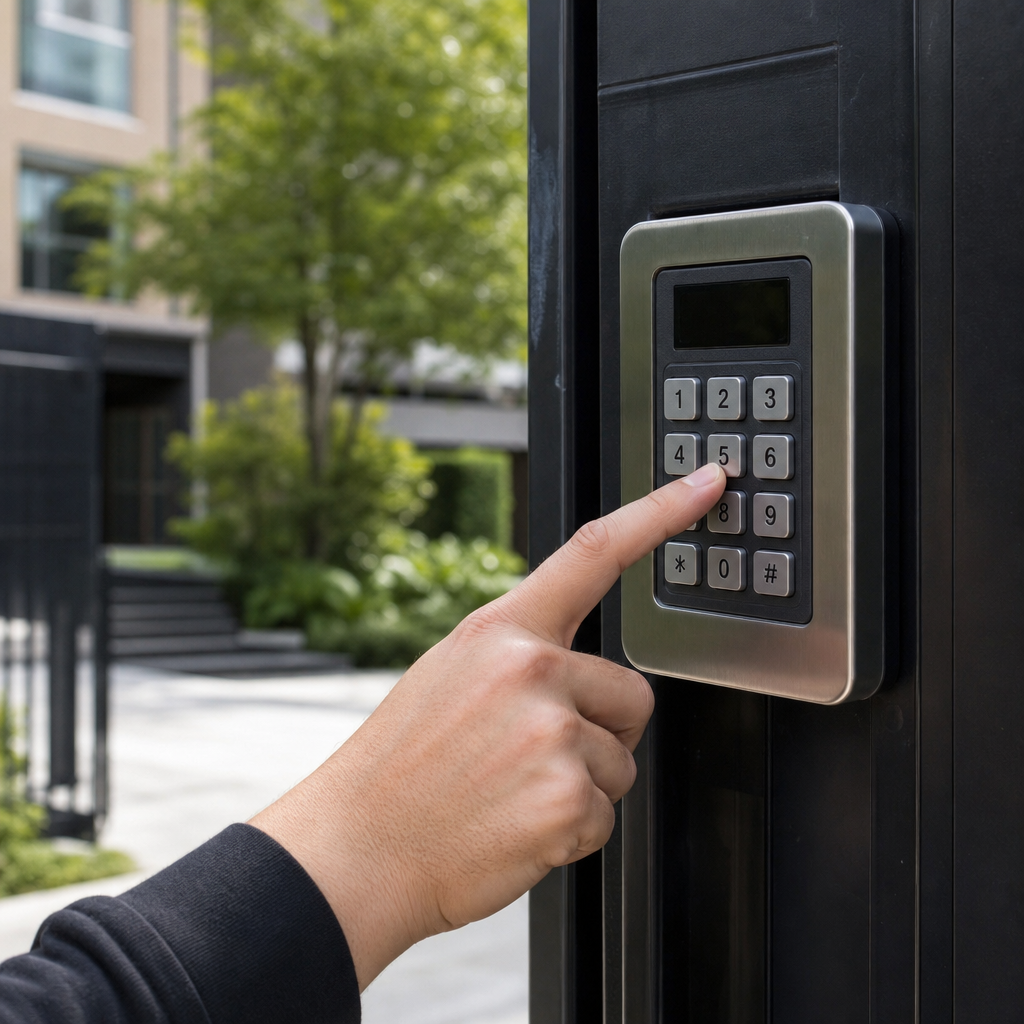
Creating a custom keypad code system for multiple users starts with understanding how electronic lock programming, access control policy, and safe-specific hardware all work together. In the gun safe world, a keypad code system is the ruleset that determines who can open the safe, when they can open it, how codes are assigned, and what happens when a code must be changed or revoked. For households, small ranges, farm properties, and collectors with shared access needs, a well-designed system improves security without sacrificing speed in an emergency. I have set up and reprogrammed keypad gun safes for families, instructors, and estate managers, and the same pattern appears every time: most access problems come from poor planning, not bad hardware.
This topic matters because many factory electronic locks are installed with a single owner code in mind, while real-life use is rarely that simple. Spouses may need full access, older teenagers may need supervised access to specific compartments, and temporary users such as house sitters or armorers may need limited, revocable credentials. A custom approach lets you map access to actual responsibilities. It also helps you avoid risky shortcuts like shared master codes written on paper, permanent codes given to contractors, or constant reprogramming that no one documents. For a sub-pillar on custom and DIY gun safe modifications, keypad code design sits at the center because it connects lock upgrades, interior retrofits, audit practices, backup entry planning, and emergency-readiness choices.
A good system does not mean making a gun safe behave like a commercial bank vault. It means matching the lock’s capabilities to your use case and creating a disciplined process for programming, testing, and maintaining codes. At minimum, you need to know the lock model, the number of supported user slots, whether it allows one-time or time-delay functions, how lockout penalties work after failed attempts, how battery failure is handled, and whether an audit trail exists. Popular electronic safe lock makers such as Sargent and Greenleaf, SecuRam, La Gard, and AMSEC-supported platforms vary significantly in these details. Some support multiple manager and user codes; others offer only one or two meaningful credential levels. Before modifying anything, verify the actual feature set in the lock manual rather than assuming every keypad supports multi-user management.
Start by auditing the lock, the safe, and the users
The first step in creating a custom keypad code system for multiple users is a practical audit. Identify the safe’s exact lock model, boltwork type, relocker arrangement, battery location, override method if any, and door thickness constraints if you are considering a keypad replacement. Then list every person who may require access, their reason for access, and whether they need routine, occasional, or emergency-only entry. In my projects, this simple exercise usually reveals that only one or two people need full access, while others need either supervised access or no direct access at all.
Next, define the contents and risk level. A safe storing defensive firearms for rapid retrieval has different code design priorities than a long-gun collector safe used mainly for storage. If the safe also contains documents, suppressors, cash, or controlled items, you may need a stricter hierarchy. Many owners benefit from combining keypad management with physical compartmentalization, such as lockable interior boxes or separate handgun vaults. That keeps the main safe accessible to approved adults while limiting access to selected items. As a hub page for custom and DIY gun safe modifications, this is where related upgrades connect: interior dividers, added shelves, dehumidifier routing, and secondary lockboxes all support better access segmentation.
Finally, document constraints. Some consumer gun safes advertise digital entry but only allow a master code plus one secondary code. Some permit code length changes but not named user slots. Others wipe settings after certain battery conditions or require the door to remain open during programming. Write down these constraints before designing policy. A custom keypad code system should fit the lock you actually own, not the lock you wish you had.
Build a code hierarchy that matches real access levels
For most multi-user situations, the safest structure is a tiered hierarchy. The top tier is the administrator or manager code, held by the primary owner and, if appropriate, one trusted backup adult. This code should be used only for programming, revocation, and periodic testing, not daily entry. The second tier includes standard user codes for adults who need regular access. A third tier, where supported, covers temporary or conditional users such as a visiting relative, ranch manager, or gunsmith picking up stored equipment. If your lock does not support formal tiers, you can still create a policy distinction by assigning who knows which codes and by scheduling immediate code changes after temporary use.
Code hierarchy matters because it reduces the blast radius of a mistake. If a regular user forgets a code, leaves the household, or shares it improperly, you can replace one credential rather than rebuilding the whole system. This is standard access control thinking applied to a gun safe. It also makes emergency planning cleaner. The administrator code remains protected, while emergency-capable adults retain functional access through their own assigned credentials.
Choose code lengths based on your lock’s capabilities and practical use under stress. Six-digit codes are common and generally stronger than four-digit codes, but only if users can enter them reliably in darkness or under adrenaline. Avoid birthdays, street numbers, repeated digits, and staircase patterns like 123456. Better choices use non-obvious sequences that can still be memorized through a phrase or rhythm. For example, deriving digits from a private mnemonic is safer than using personally identifiable numbers. If your keypad allows longer codes without slowing entry too much, use them for administrator credentials first.
Program, test, and document without creating new vulnerabilities
Once the hierarchy is set, program the safe with the door open and locking bolts extended only during final validation, exactly as the manufacturer instructs. This is not optional. Electronic lock programming mistakes can result in a live lockout if you test prematurely with the door shut. After each code is added, test it multiple times with the door open, pause, and then test again after a few minutes. Confirm whether the lock requires wake-up presses, whether a final confirm key is needed, and how long the entry window stays active. Many lock failures reported by owners are really input-timing errors.
Documentation should exist, but not as a loose note in the same room as the safe. Create a controlled record that includes lock model, battery type, programming date, code slot assignments, emergency contacts, and the date of the last successful test. Do not write the full active codes in plain language unless you have a secure storage method, such as a sealed record in a bank safe deposit box or an encrypted password manager entry with restricted sharing. In several household installations I have handled, the best compromise was storing only code hints and slot ownership locally, with full recovery information stored offsite.
Include a revocation procedure. If a user no longer needs access, if a relationship changes, or if there is any suspicion a code was exposed, the process should be immediate: open safe, program replacement code, test replacement, verify removed slot no longer works, update the record, and notify remaining authorized users if policy changed. Fast, repeatable revocation is one of the main benefits of a custom keypad code system for multiple users.
Choose modifications that expand access control safely
If your current lock cannot support your access plan, targeted hardware changes may be justified. The most common modification is replacing a basic electronic keypad lock with a higher-function safe lock that supports multiple user codes, manager modes, penalty lockout behavior, and, in some cases, time delay. Before ordering, confirm mounting compatibility. Most modern safe locks use standard footprint patterns, but spindle length, keypad profile, cable routing, and door panel clearance can still create issues. On lower-cost gun safes, an upgraded lock may be limited by the safe’s original lock body cutout or relocker geometry.
Another useful modification is pairing the main safe with an interior powered compartment or stand-alone handgun vault. This creates layered access without overcomplicating the main keypad. For example, the household can share access to the long-gun section through standard user codes, while defensive handguns remain in a quick-access interior vault assigned only to two adults. That arrangement often solves the common problem of “everyone needs some access, but not identical access.” It is also easier to maintain than constantly changing main-safe credentials.
| Modification | Best Use Case | Main Benefit | Primary Limitation |
|---|---|---|---|
| Multi-user keypad lock upgrade | Households with several trusted adults | Separate credentials and easier revocation | Requires compatibility checks and careful programming |
| Interior lockbox or handgun vault | Mixed-access households | Layered access inside one safe | Reduces interior space |
| Audit-capable electronic lock | Ranges, shared properties, estate management | Event visibility and accountability | Higher cost and more setup complexity |
| Mechanical backup strategy | Remote locations or battery-sensitive users | Resilience during power or keypad issues | May reduce convenience or require dual training |
Do not treat every upgrade as automatically safer. Biometric retrofits, for example, may improve speed but can introduce reliability tradeoffs depending on sensor quality, hand condition, temperature, and firmware design. Likewise, internet-connected access products are usually a poor fit for firearm storage. Simpler, purpose-built safe locks from established manufacturers remain the better choice for most owners because they prioritize tamper resistance and predictable behavior over convenience features.
Plan for emergencies, failures, and human error
The best code system assumes something will eventually go wrong. Batteries die, users forget sequences, keypads wear out, and a rushed entry can trigger lockout penalties after repeated mistakes. Your plan should specify battery replacement intervals, how to recognize low-power symptoms, and where the correct replacement cells are stored. Many safe technicians recommend premium alkaline batteries from a consistent manufacturer and avoiding mixed cells, rechargeables of uncertain voltage behavior, or old stock sitting in a garage. Replace on a schedule rather than waiting for failure.
Human factors matter just as much as hardware. Train every authorized user to open the safe correctly, slowly, and in the same sequence every time. If the keypad has closely spaced buttons, practice by touch in low light. If the lock supports a penalty lockout after several failed attempts, make sure users know to stop and reassess rather than continue guessing. For emergency access, decide in advance who has authority to open the safe, under what circumstances, and whether anyone should call first. This avoids confusion during a high-stress moment.
Periodic testing keeps the whole system credible. I recommend a scheduled review at least quarterly: test each active code, verify removed codes remain inactive, inspect keypad mounting screws, check for corrosion in the battery compartment, and confirm the door closes and relocks smoothly. Friction in the boltwork can be mistaken for electronic failure, especially in safes that are overloaded, out of level, or installed on shifting floors. Mechanical alignment is part of keypad reliability. If the safe binds, fix that before assuming the lock is defective.
Connect the keypad system to the rest of your safe setup
A custom keypad code system works best when it supports the broader layout and operating habits of the safe. Interior organization affects who can retrieve what quickly, lighting affects successful code entry, and anchoring affects whether the safe remains secure long enough for the lock to matter. That is why this page serves as a hub for custom and DIY gun safe modifications: code management should be considered alongside shelf redesigns, handgun racks, magazine storage, humidity control, door-panel organizers, and anchoring improvements.
For example, a family may create separate user codes for two adults, then add labeled interior bins and a lockable document pouch so each person can access needed items without disrupting the entire contents. A landowner may upgrade to a manager-capable lock, anchor the safe in a climate-controlled utility room, route a dehumidifier, and install motion lighting so authorized access is consistent and error-free. A collector may prefer a conservative approach: retain a primary electronic lock, keep a formal code rotation schedule, and use dedicated interior lockboxes for NFA paperwork and high-value handguns. The keypad system is only one layer, but it becomes far more effective when the rest of the safe is organized around it.
When you review related modifications, prioritize changes that improve control, clarity, and maintenance. Upgrades that look impressive but complicate use often fail in practice. The strongest setups are usually boring: a quality lock, distinct user roles, written procedures, fresh batteries, a tidy interior, and regular testing. If your current safe cannot reliably support those basics, upgrade the lock or add layered storage before chasing more exotic features.
A custom keypad code system for multiple users is really a disciplined access plan built on the capabilities of your specific gun safe. Start by auditing the lock, users, and risk level. Then create a hierarchy that separates administrator control from daily-use access, choose codes that are hard to guess but realistic to enter under stress, and document everything in a secure way. If the existing hardware is too limited, upgrade deliberately and verify compatibility before installation. Where equal access is not appropriate, use layered storage inside the safe instead of forcing one code policy to do every job.
The biggest benefit is control. Separate credentials make it easier to assign responsibility, revoke access quickly, troubleshoot problems, and maintain readiness without resorting to unsafe shortcuts. Just as important, a well-run keypad system integrates naturally with other custom and DIY gun safe modifications, from interior compartments to lighting and maintenance routines. That is why it belongs at the center of any serious gun safe improvement plan.
Review your current lock model, map your real users, and make one practical improvement this week—whether that is documenting code ownership, replacing batteries, or planning a lock upgrade that finally fits the way your safe is actually used.
Frequently Asked Questions
1. What should I consider before creating a custom keypad code system for multiple users?
Before assigning a single code, start with a clear access plan. A multi-user keypad code system should reflect who needs access, how often they need it, under what circumstances they should be able to open the safe, and what level of control the owner wants to maintain. In practical terms, that means identifying all users, separating primary users from occasional users, and deciding whether each person truly needs independent access or whether some access can remain supervised. This planning stage is especially important for gun safes used in households, small shooting ranges, farm properties, or collector environments where access needs vary and security expectations are high.
You should also evaluate the safe’s hardware and programming capabilities. Not all electronic locks support multiple unique user codes, scheduled access windows, audit trails, duress codes, or fast code revocation. Some systems may allow only a master code and one or two secondary codes, while others support a more structured hierarchy with administrator and user-level credentials. If the lock’s feature set does not match your access policy, the code system will be difficult to manage and easier to misuse. In other words, the best keypad code plan is one that fits the actual lock and the real-world behavior of the people using it.
Another key consideration is accountability. Shared codes are convenient, but they reduce your ability to know who accessed the safe and when. Unique user codes are generally the better choice because they support cleaner recordkeeping, easier code changes, and faster revocation if someone’s access needs change. You should also think through emergency scenarios, such as what happens if a user forgets a code, enters the wrong code repeatedly, leaves the household or organization, or should no longer have access immediately. A strong system is not just about opening the safe efficiently; it is about maintaining control over the full lifecycle of access.
2. How do I assign keypad codes to multiple users without creating security risks?
The safest approach is to assign each authorized user a unique code rather than relying on one shared household or team code. Individual codes create traceability, simplify management, and reduce confusion when updates are needed. If one person no longer needs access, their code can be removed without forcing every other user to learn a new combination. This is one of the biggest advantages of a custom keypad code system: it allows you to preserve convenience for approved users while maintaining tighter control over who can enter the safe at any given time.
When choosing codes, avoid predictable patterns such as birthdays, addresses, repeated digits, ascending or descending number strings, or common family numbers that others could guess. Strong codes should be unique, non-obvious, and assigned according to a consistent policy. For example, you may require all user codes to meet a minimum length, avoid repeating digits more than twice, and differ significantly from the master code. The master or administrator code should be reserved strictly for management functions and should not be used for routine access unless absolutely necessary. This helps protect the highest-level credential from unnecessary exposure.
It is also wise to document code ownership and permissions in a secure access record. That record should note which user has which code slot, when the code was created, what level of access the user has, and when the code should be reviewed or removed. Even in a home setting, this level of organization can prevent mistakes. In a small range, workshop, or farm environment, it becomes even more important because access may need to be granted temporarily to family members, trusted staff, or other approved individuals. A disciplined assignment process reduces the chance of overlapping privileges, forgotten active codes, and poorly controlled long-term access.
3. What is the best way to manage code changes, revocation, and user turnover?
Code management should be treated as an ongoing process, not a one-time setup task. The best systems include rules for when codes must be changed, who has authority to change them, and how quickly a code can be disabled if access must be revoked. For example, you may decide that all user codes should be reviewed every six or twelve months, that temporary users receive codes with a defined expiration date, and that any person who moves out, changes roles, or no longer requires access is removed from the system immediately. These rules keep the keypad system aligned with actual need rather than allowing old permissions to linger indefinitely.
Revocation should be simple and fast. If your electronic lock supports deletion of individual user codes, use that feature instead of changing the code for every authorized person. This is one reason modern multi-user lock hardware can be so valuable: it allows targeted changes with minimal disruption. If your safe only supports a limited number of codes or lacks user-level control, you may need a stricter manual process to ensure that the entire code set is updated when one person’s access status changes. Either way, the policy should be clear in advance so there is no uncertainty during a time-sensitive access change.
Good turnover management also includes verification. After a code is changed or deleted, test the lock to confirm the update worked correctly. Keep a secure record of the date, reason for the change, and the administrator who performed it. If the lock offers an audit trail, review it periodically to confirm that access activity matches your expectations. This is especially useful in shared-access settings where multiple people may use the safe at different times. A reliable code management process preserves security over the long term and prevents a system that started out well from becoming disorganized and vulnerable.
4. Should different users have different access levels or time-based permissions?
Yes, if your lock and safe hardware support it, separating users by access level is one of the smartest ways to build a secure custom keypad code system. Not every user should have the same privileges simply because they all need some form of access. In many real-world scenarios, one person may be the owner or administrator, another may need routine access, and a third may only need limited or occasional entry. Structuring access by role helps reduce unnecessary exposure and keeps control in the hands of the person responsible for the safe and its contents.
Time-based permissions can also be extremely useful. In a household, this may mean limiting certain users to specific hours or requiring supervision outside of normal access windows. On a farm property or small range, it could mean allowing staff access only during work hours and removing that access automatically after a project ends. These restrictions create a more precise access control policy and reduce the risk of misuse, unauthorized after-hours entry, or confusion about who was permitted to open the safe at a given time. If your current lock does not support scheduling, you can still create a manual policy that mirrors time-based access, though it will require more discipline to enforce.
Role-based and time-based access also improve accountability. When users understand that permissions are tailored to their needs rather than granted broadly, they are more likely to follow the system correctly. This approach also makes audits and reviews easier because you can evaluate whether each person’s access remains appropriate. The goal is not to make the system complicated for its own sake. The goal is to make it deliberate, defensible, and easier to manage as the number of users grows or circumstances change.
5. How can I make a multi-user keypad code system both secure and easy to use?
The most effective systems balance strong security controls with practical usability. If the setup is too loose, unauthorized access becomes more likely. If it is too complicated, authorized users may forget procedures, write codes down insecurely, or ask for exceptions that weaken the entire system. Start by keeping the structure simple and consistent: one master administrator, clearly defined user roles, unique codes for each approved person, and written rules for code creation, updates, and revocation. This framework provides order without making normal use unnecessarily difficult.
User training is another major factor. Every person with approved access should understand how to enter their code correctly, what to do after failed attempts, how lockout features work, and whom to contact if they suspect their code has been exposed. They should also understand the importance of not sharing codes, not storing them in obvious places, and not using easy-to-guess number patterns. Even the best electronic lock cannot compensate for poor user habits. A short orientation and occasional reminders can dramatically improve the reliability of the entire system.
Finally, review the system regularly. Check that only current users still have active access, confirm that backup access methods are controlled, replace batteries on schedule if the lock requires them, and verify that the safe’s electronic hardware continues to function properly. Security and convenience are not opposing goals when the system is designed thoughtfully. A well-built multi-user keypad code system should feel straightforward for authorized users while still giving the owner clear oversight, fast control over changes, and confidence that access remains limited to the right people under the right conditions.