
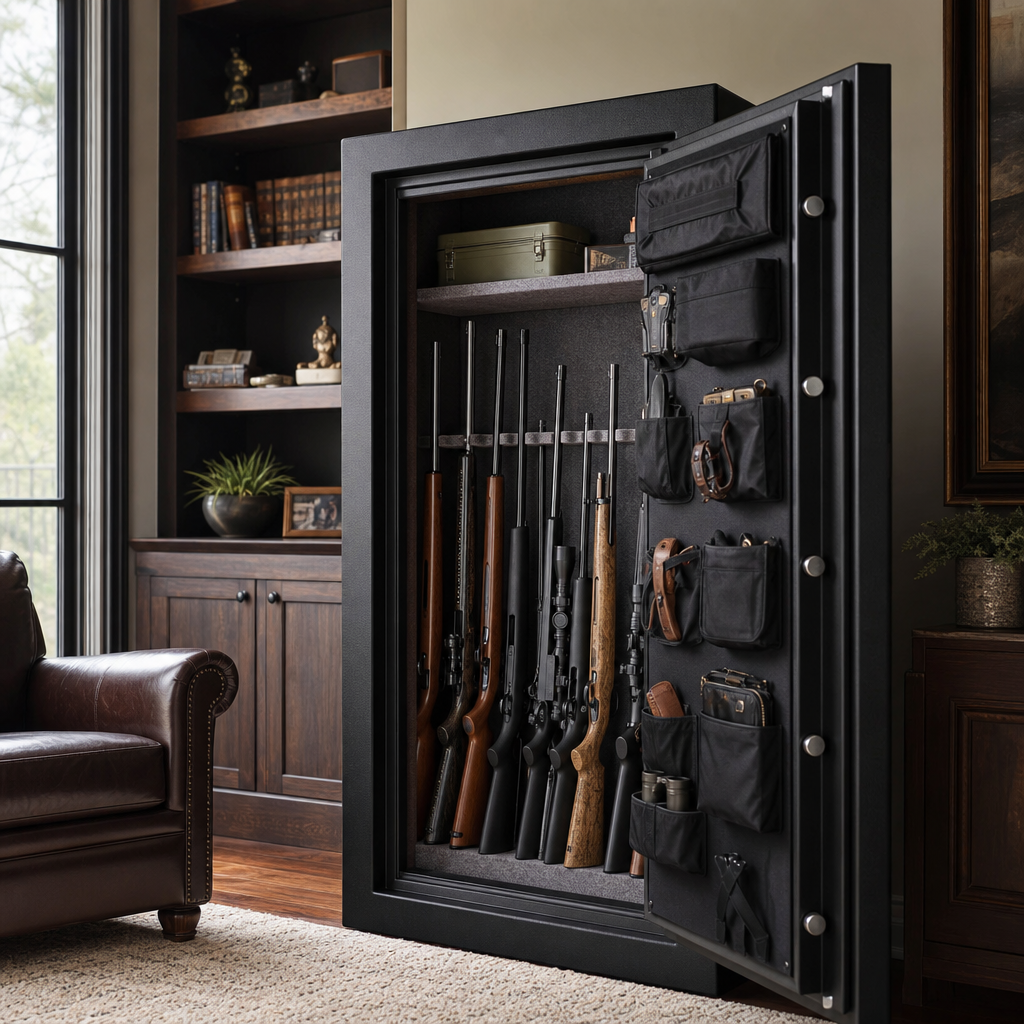
Choosing the best fireproof gun safe for your home starts with understanding a hard truth: no residential safe is truly fireproof, and not every “fire-rated” model will protect firearms, optics, documents, and ammunition equally well. In my experience helping homeowners compare safes after break-ins, basement floods, and house fires, the right choice comes down to matching fire resistance, burglary protection, size, placement, and maintenance to your actual risks. A fireproof gun safe, in practical terms, is a gun safe tested to maintain an internal temperature below a specified threshold for a stated time under high external heat. Disaster-resistant storage expands that idea to include water intrusion, smoke, humidity, structural collapse, and the long recovery period after an emergency. This matters because modern homes contain fast-burning synthetic materials that can drive temperatures high quickly, while insurance claims, replacement delays, and sentimental loss can last months or years. The best fireproof gun safe reduces those risks by creating layers of protection for firearms and critical items when conditions are at their worst.
Homeowners often focus first on capacity or price, but fire rating details deserve equal attention. Steel thickness, door design, fireboard composition, intumescent seals, lock type, and anchor method all affect real-world performance. So do decisions about what you store inside. A scoped hunting rifle, a polymer-frame pistol, hard drives, paper records, and family heirlooms do not tolerate heat or moisture the same way. That is why this guide covers fireproof and disaster-resistant storage as a complete system rather than a single product category. If you are building out a broader gun safes and safety plan, this page should function as the hub: it explains the core standards, the tradeoffs between fire and security, the best placement practices, and the maintenance steps that keep a safe effective over time.
What Fire Ratings Really Mean
When shoppers ask, “What is a good fire rating for a gun safe?” the clearest answer is this: for most homes, look for at least 60 minutes of fire protection from a manufacturer that states the internal temperature standard and the testing method. Many gun safe listings advertise ratings such as 30, 60, 90, or 120 minutes at temperatures around 1200°F to 1875°F, but those numbers are not always tested the same way. Some manufacturers use independent labs such as Intertek/ETL, while others rely on proprietary testing. Independent verification generally inspires more confidence because the procedure and pass criteria are documented. The critical detail is not only external temperature and duration, but also the maximum internal temperature allowed. Paper chars around 350°F, but plastics, adhesives, optics, lubricants, and electronic media can be damaged at much lower temperatures.
Construction affects whether a published rating translates into useful protection. Composite door and body designs use layers of steel and fireboard, often gypsum-based, to slow heat transfer. Intumescent door seals expand during heat exposure and help block smoke and steam. Thicker steel can improve security, but it also conducts heat, so insulation design matters as much as shell strength. In field reviews, I have seen budget safes with impressive marketing language but shallow door gaps, light bodies, and vague test descriptions. I have also seen mid-tier models from established brands perform better because their insulation was consistent and their seals were properly fitted. A meaningful fire rating is specific, testable, and paired with solid construction details rather than broad claims.
How to Balance Fire Protection and Burglary Security
The best fireproof gun safe for your home is never just about fire. It must also resist theft long enough to stop a quick smash-and-grab or force an intruder to abandon the attempt. That balance is where many buyers get misled. Extremely heavy insulation can improve fire resistance, but thin steel, weak boltwork, or poor anchoring can still make the safe vulnerable to pry attacks. For residential use, examine body steel gauge, door plate thickness, hard plates over the lock, relockers, hinge design, and whether the safe can be anchored into concrete. A lighter safe with a high fire rating but minimal burglary resistance may protect contents from heat yet disappear entirely during a break-in.
In practical terms, security starts with mass and anchoring. A 700-pound safe bolted to a concrete slab is far harder to remove than a 250-pound cabinet sitting loose in a closet. Door gaps should be tight, continuous locking bolts should engage deeply, and the lock area should be reinforced against drilling. If your budget forces a compromise, avoid sacrificing theft resistance for an inflated fire claim. A balanced model from reputable lines such as Liberty, Fort Knox, American Security, Browning, or Hollon usually beats a bargain safe with oversized marketing numbers. For households storing several firearms, serialized accessories, and important records, think of the safe as part of a layered security plan that also includes alarms, cameras, solid doors, and discreet placement.
Key Features to Compare Before You Buy
Most buyers can narrow the market quickly by comparing the features that truly affect fireproof and disaster-resistant storage. The table below highlights the factors that matter most and what they mean in a home setting.
| Feature | What to Look For | Why It Matters |
|---|---|---|
| Fire rating | 60-120 minutes, clear internal temperature limit, independent testing if available | Indicates how long contents may be protected during a residential fire |
| Steel thickness | Heavier body and stronger door construction | Improves resistance to prying, cutting, and deformation |
| Door seals | Intumescent heat-activated seals around the frame | Helps block smoke, heat, and water from firefighting efforts |
| Lock type | UL-listed electronic or mechanical lock | Affects reliability, speed, and long-term maintenance |
| Water resistance | Door gaskets, raised threshold, documented water exposure claim | Protects contents from sprinklers, hoses, and minor flooding |
| Interior control | Dehumidifier, hygrometer, power outlet, adjustable shelving | Prevents rust and allows mixed storage for firearms and documents |
| Anchoring | Pre-drilled anchor holes and hardware guidance | Reduces the risk of theft by removal or tipping |
Lock choice deserves extra attention. Electronic locks offer fast access and easy code changes, which many families prefer for a defensive handgun or daily-use safe. Mechanical dial locks avoid batteries and can perform reliably for decades, though they are slower and less convenient. In humid garages or basements, interior climate control is just as important as the lock. GoldenRod dehumidifiers, rechargeable desiccants, and simple digital hygrometers can dramatically reduce rust risk. If you are storing passports, trust documents, hard drives, or backup media with firearms, use rated document pouches or secondary media boxes inside the safe because the safe’s firearm-oriented fire rating may not protect sensitive items sufficiently on its own.
Choosing the Right Size, Layout, and Interior Setup
Safe sizing is where many homeowners make their most expensive mistake: buying for the number of guns they own today instead of the collection and storage needs they will have in five years. Manufacturer capacity numbers are notoriously optimistic. A “24-gun safe” may hold far fewer once you add scopes, slings, pistol racks, suppressor accessories, documents, and shelves. My rule is simple: if you think you need a 24-gun model, evaluate a 36-gun safe first. Long guns with large optics or chassis stocks consume more width and depth than traditional hunting rifles, and interior carpeting or barrel rests do not change the physics.
Layout matters almost as much as volume. Adjustable shelving lets you create separate zones for long guns, handguns, ammunition, legal papers, and valuables. Door organizers can free shelf space and make pistols or magazines easier to reach, but they also add door weight and require enough depth so firearms do not press awkwardly against the interior panel. A fireproof gun safe used as a disaster-resistant storage hub should support mixed storage without cramming. That means enough room for document boxes, silica packs, serial number records, and emergency cash. A crowded safe traps moisture, increases the chance of cosmetic damage, and makes it harder to inspect contents after a storm or evacuation.
Where to Place a Fireproof Gun Safe in Your Home
The safest location balances concealment, structural support, humidity control, and access. Ground floors over concrete are generally ideal because heavy safes are easier to anchor and less likely to stress floor joists. Basements can work well structurally, but they often carry the highest humidity and flood risk. Garages offer convenience and slab anchoring, yet temperature swings, visible delivery paths, and lower climate control can make them less desirable unless the safe has strong corrosion management and a discreet location. An interior closet, corner room, or finished basement section often provides the best compromise when paired with a dehumidifier and security system.
Fire behavior should influence placement too. Rooms adjacent to kitchens, utility spaces, or attached garages may face faster heat exposure. Exterior walls can sometimes reduce exposure duration, but they may increase moisture risk after firefighting operations or weather events. Corners can add pry resistance because attackers have less room to work tools around the sides. I also recommend thinking through delivery logistics before you buy. Stair turns, doorway widths, and floor loads matter. Professional installers use stair-climbing equipment, pallet jacks, and anchoring procedures that prevent injury and property damage. For many buyers, delivery and installation are not optional add-ons; they are part of choosing the right safe.
Preparing for Water, Humidity, Smoke, and Aftermath Damage
Fire is only one part of disaster-resistant storage. In actual residential losses, water and corrosive residue often do almost as much damage as heat. Sprinkler discharge, fire hoses, burst pipes, and storm runoff can reach a safe even when flames never do. That is why a good fireproof gun safe should have expanding door seals, a raised door sill if available, and a placement strategy that keeps it above likely standing water. In flood-prone areas, elevating the safe on a reinforced platform can be smarter than setting it directly on the slab. For documents and electronics, use secondary waterproof containers or rated pouches inside the safe.
Humidity control is a year-round requirement, especially in coastal regions, unfinished basements, and garages. Aim to keep relative humidity inside the safe around 45 to 50 percent for most firearm storage. Above that range, rust risk rises quickly, particularly on blued finishes and steel screws under grips or optic mounts. Below it, some wood stocks can dry excessively. Use a hygrometer rather than guessing. After any fire or heavy smoke event, open the safe as soon as it is safe to do so, document contents for insurance, and begin drying and cleaning immediately. Smoke residues are acidic; they continue harming metal and optics long after the event. A safe buys time, not indefinite immunity.
Brand Reputation, Certifications, and Budget Priorities
Price ranges for fireproof gun safes vary from a few hundred dollars to many thousands, and the difference is not just branding. Better safes use thicker steel, stronger boltwork, more consistent fire insulation, tighter manufacturing tolerances, and better locks. They also tend to provide clearer testing data and stronger warranty support. When comparing brands, look beyond the logo. Ask who makes the safe, whether the lock is UL listed, whether the fire rating was independently tested, and how claims are handled if the safe is damaged in a fire. Lifetime fire and burglary warranties, often including replacement, can be valuable, but read the exclusions.
For budget planning, prioritize in this order: adequate burglary resistance, credible fire protection, sufficient size, proper anchoring, and interior humidity control. Spending heavily on decorative finishes or marginal accessories before those basics rarely makes sense. If your budget is tight, a smaller but better-built safe is often the smarter purchase than a larger, lightly constructed unit. Used safes can offer value, especially older commercial units, but inspect seals, lock condition, boltwork, and any signs of hidden moisture damage. For many households, the best long-term approach is buying one quality main safe and supplementing it later with a secondary document or quick-access handgun safe.
Conclusion
The best fireproof gun safe for your home is the one that matches your real hazards, not the one with the most dramatic marketing label. Start with a credible fire rating, then verify the construction behind it: insulation, seals, steel thickness, lock quality, and anchoring options. Choose a size larger than you think you need, design the interior for both firearms and essential records, and place the safe where heat, theft, humidity, and flooding risks are all managed together. Most important, remember that disaster-resistant storage is a system. A quality safe works best when it is installed properly, monitored for humidity, and supported by alarms, documentation, and smart household security practices.
If you are building out your broader gun safes and safety plan, use this hub as your starting point for every fireproof and disaster-resistant storage decision. Compare published ratings carefully, ask manufacturers direct questions about testing, and invest in installation and moisture control from day one. Those steps will do more to protect your firearms and valuables than any label alone. Make a shortlist, measure your space, and choose the safe that gives your home durable protection when it matters most.
Frequently Asked Questions
1. Are any gun safes actually fireproof, or are they only fire-resistant?
In practical terms, residential gun safes are fire-resistant, not truly fireproof. That distinction matters. A manufacturer’s fire rating usually means the safe was tested to keep the interior below a certain temperature for a limited amount of time under controlled conditions. It does not mean the contents will survive every house fire, especially if the safe is exposed to extreme heat for longer than its rating, if the seals fail, or if the safe is damaged during structural collapse. That is why it is smart to view fire ratings as part of a broader protection strategy rather than as an absolute guarantee.
When comparing models, pay attention to the testing details behind the marketing. Look for the temperature used in the test, the duration, whether the rating was verified by an independent lab, and whether the safe was tested for cool-down time after the fire. Fire damage often continues after flames are out because heat remains trapped inside the steel body. Also remember that firearms, optics, ammunition, important papers, and digital media all tolerate heat differently. A safe that may protect metal firearms might still allow enough internal heat or moisture to damage scopes, wood stocks, passports, cash, or backup drives. That is why the best choice is usually the safe that balances realistic fire resistance with theft protection, proper placement, and interior moisture control.
2. What fire rating should I look for in a fireproof gun safe for home use?
A good starting point for many homeowners is a safe with at least a 60-minute fire rating, but the right target depends on your home, your location, and what you are protecting. If you live in a suburban area with fast fire department response times, a well-built safe rated for 60 to 90 minutes may be a reasonable fit. If you live in a rural area, have a larger property, or store the safe where a fire could burn longer before help arrives, it makes sense to look for stronger fire performance. The key is not just the number of minutes on the sticker, but the credibility of the rating and the construction methods used to achieve it.
You should also think about your contents, not just the safe itself. Firearms can often tolerate more heat than items like optics, suppressor accessories, legal documents, family records, photographs, and electronic storage devices. If your safe will hold mixed valuables, choose a model with a more conservative fire rating and consider adding specialized interior document or media containers rated for lower internal temperatures. In many cases, the “best” home gun safe is not the one with the highest advertised fire number, but the one that combines a believable fire rating, solid steel construction, good door sealing, reliable locking hardware, and enough room to organize your firearms and valuables without overcrowding.
3. How important is burglary protection compared with fire resistance when choosing a gun safe?
Burglary protection is extremely important, and for many homeowners it should carry at least as much weight as fire resistance. A safe that performs reasonably well in a fire but can be pried open, tipped over, or carried away is not doing its full job. Many buyers focus heavily on fire ratings because they are easy to compare, but break-ins are often the more immediate risk. In real-world home thefts, criminals typically attack weak doors, thin steel bodies, exposed hinges, and safes that are not bolted down. That means steel thickness, locking bolt design, pry resistance, weight, and anchor capability all deserve serious attention.
The strongest buying decision usually comes from balancing both threats. Look for a safe with substantial steel in the body and door, reinforced lock areas, a reputable lock, and pre-drilled anchor holes so it can be bolted to concrete or a structurally sound floor. Placement matters too. A safe hidden from easy view, installed in a low-humidity interior area, and anchored in a tight location where pry attacks are harder can outperform a larger but poorly placed model. In short, the best fireproof gun safe for your home is not just one that survives heat on paper. It is one that also resists theft long enough to make forced entry difficult, noisy, and time-consuming.
4. Where should I place a fireproof gun safe in my home for the best protection?
The ideal location is one that reduces fire exposure, limits flood risk, supports the safe’s weight, and makes theft more difficult. Interior ground-floor locations are often a better choice than garages, sheds, or upper floors. A concrete slab can provide strong support and makes bolting down easier, while also reducing the chance of the safe falling through a weakened floor during a fire. Basements can be useful in some homes because they are out of sight and often cooler, but they also come with added flood and humidity risks. If a basement is your best option, elevate the safe slightly above the floor and use moisture control inside.
You should also avoid placing the safe in obvious, high-traffic areas where a burglar would naturally look first. A closet, utility room, dedicated office, or discreet corner with limited pry access is often more secure than a prominent location in a master bedroom. Keep the safe away from exterior walls if possible, since those areas may be exposed sooner to heat, water intrusion, and temperature swings. Finally, think beyond installation day. Make sure the location allows the door to open fully, gives you enough room to use interior lighting or dehumidifiers, and lets you inspect seals, anchor points, and locking components over time. A safe that is well placed and properly maintained usually offers better real-world protection than a more expensive one installed in a poor location.
5. What size gun safe should I buy, and how much extra space do I really need?
The best rule is to buy larger than you think you need. Safe capacity numbers are often optimistic and based on tightly packing firearms without scopes, slings, bipods, magazines, shelves, or protective spacing. In the real world, a safe advertised for a certain number of guns may hold far fewer once you account for modern sporting rifles, long-barreled shotguns, handguns in organizers, ammunition, documents, jewelry, and other valuables. If you are trying to choose between two sizes, the larger model is usually the better long-term decision, assuming the location and floor can support it.
Extra space matters for more than future firearm purchases. Crowded safes are harder to organize, more likely to scratch finishes and optics, and more difficult to keep dry and ventilated. A larger interior also gives you flexibility to separate firearms from paperwork, add shelves or pistol racks, install lighting, and use a dehumidifier or desiccant system effectively. When planning size, think about your inventory today, what you may add in the next five to ten years, and any non-firearm valuables you want protected in the same safe. Choosing a safe with room to grow is one of the most common pieces of advice experienced safe owners give, because replacing an undersized safe later is costly, inconvenient, and often avoidable if you size up from the start.