
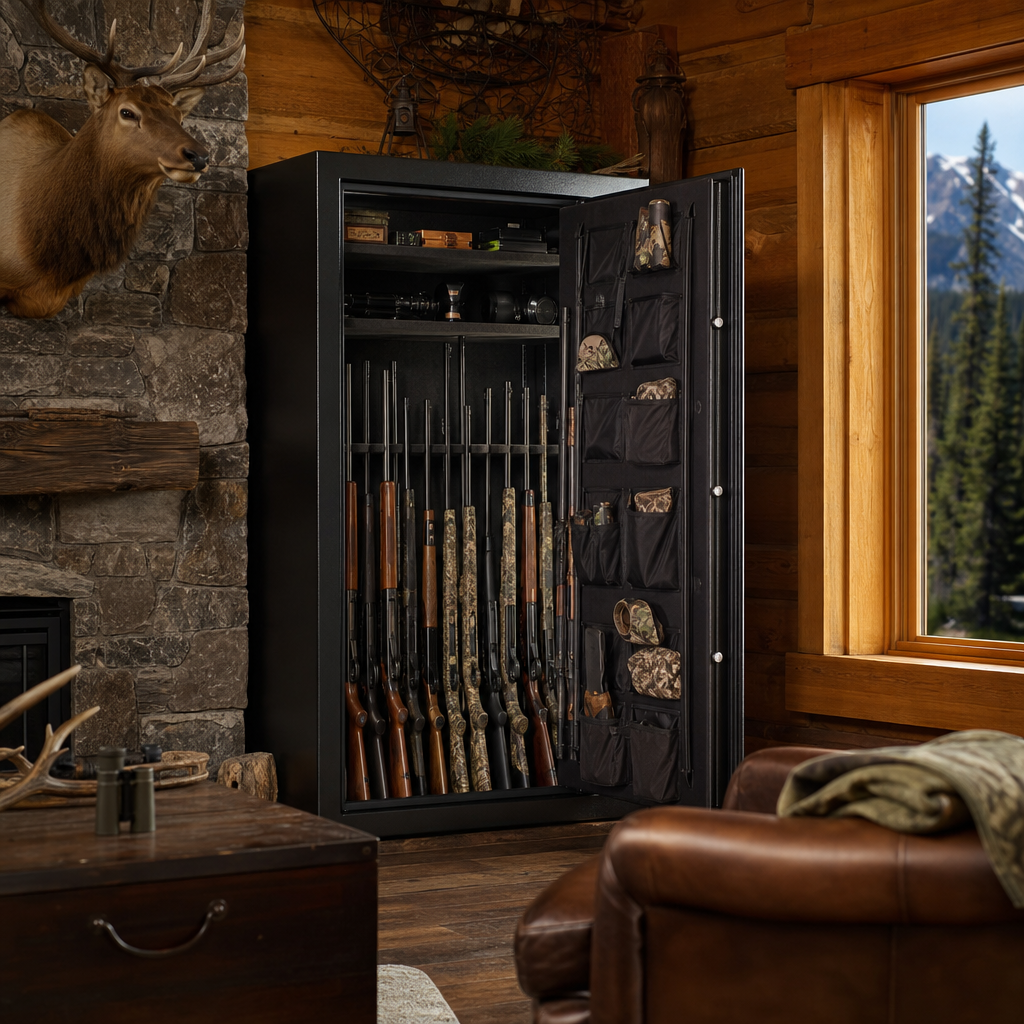
Hunters and outdoorsmen ask more from a gun safe than simple lock-and-key security. They need storage that protects rifles, shotguns, optics, ammunition, and important documents from theft, humidity, fire, and rough daily use. The best gun safe brands for hunters and outdoorsmen stand out because they balance steel strength, dependable locking systems, interior flexibility, and practical sizing for real hunting gear. A safe that works well in a suburban closet may fail in a mudroom, detached shop, or rural cabin where temperature swings, dust, and heavier long guns are part of normal life.
When I evaluate gun safe brands, I look beyond marketing labels like “fireproof” or “military grade.” I focus on gauge thickness, door construction, locking bolt design, hard plate protection, relockers, fire insulation type, seal quality, hinge layout, and how the interior handles scoped rifles and wide fore-ends. For hunters, usable capacity matters just as much as rated capacity, because a “24-gun safe” rarely stores 24 scoped firearms in a practical way. Outdoorsmen also tend to own mixed equipment: bows, suppressors where legal, handguns, trail cameras, passports, tags, and cash. A strong brand recognizes that reality.
This hub covers gun safe comparisons and brand spotlights comprehensively so readers can move from broad research to a shortlist with confidence. It matters because a safe is a long-term purchase that affects security, insurance, maintenance, and daily convenience. The wrong choice leads to overcrowding, rust risk, lock frustration, or weak burglary resistance. The right choice protects investment and supports responsible firearm storage. Below, you will find the core buying criteria, the best-known brands in this category, the differences between value and premium safes, and the situations where each brand tends to make the most sense.
What hunters and outdoorsmen should prioritize in a gun safe brand
The first priority is burglary resistance. In practical terms, that means heavier steel body panels, a reinforced door, quality locking bolts, and a lock protected by a hard plate and relocker. Many entry-level safes rely on thinner steel and impressive-looking bolt counts, but bolt count alone does not determine strength. A safe with fewer, sturdier bolts and a better door frame can outperform a safe loaded with small bolts. For most homes, I recommend looking carefully at body steel thickness before getting distracted by painted finishes or luxury interiors.
The second priority is environmental protection. Hunters often store blued steel rifles, wood stocks, leather slings, and expensive glass. Those materials do not tolerate moisture well. A worthwhile brand should support dehumidifiers, offer a reliable door seal, and provide an interior layout that allows airflow. Fire resistance also matters, but ratings vary widely because testing standards are inconsistent across the industry. Independent certifications from organizations such as UL carry more weight than broad manufacturer claims. If a safe has a 60- or 90-minute fire label, check what temperature standard was used and whether the rating was independently verified.
The third priority is functional storage. Adjustable shelving, rifle barrel rests, door organizers, and power access for lights or dehumidifiers are not luxuries for active outdoorsmen; they improve safe use and reduce clutter. I have seen many owners outgrow a safe within two seasons because they added a turkey gun with optic, a long-range rifle, and several handguns. Buy for your next five to ten years of gear, not your current count. As a rule, cut the manufacturer’s stated gun capacity in half if your collection includes large scopes, chassis rifles, or side-by-side shotguns.
Top gun safe brands worth considering
Several brands consistently appear in serious gun safe comparisons because they have recognizable product lines, broad dealer networks, and enough history for buyers to evaluate long-term performance. Liberty Safe remains one of the most visible names in the market, known for a wide catalog ranging from accessible home models to heavier premium safes. Fort Knox has long been respected for customization, thicker steel options, and strong build quality. Browning stands out for interior organization, especially its DPX door storage systems and layouts that help maximize practical rifle space. American Security, often shortened to Amsec, earns attention for blending gun safe convenience with stronger security engineering rooted in the company’s commercial safe background.
Rhino Metals, which includes Ironworks and Kodiak lines, attracts buyers who want distinctive styling or strong value depending on model. Cannon Safe has a broad retail presence and appeals to buyers seeking straightforward options at mainstream price points. Winchester gun safes, sold through major retailers, are common starter choices for hunters who need decent capacity without stepping immediately into premium pricing. Sports Afield and Stack-On often serve the entry category, though they vary significantly by line and should be judged model by model rather than by logo alone.
| Brand | Best known for | Best fit for |
|---|---|---|
| Liberty Safe | Wide range, strong dealer support, recognizable fire and security tiers | Buyers wanting balanced features and broad availability |
| Fort Knox | Customization, heavier steel options, premium construction | Owners prioritizing security and long-term investment |
| Browning | Efficient interiors, door storage, hunter-friendly layouts | Rifle and shotgun owners maximizing usable space |
| Amsec | Security engineering, solid lock protection, commercial-safe heritage | Buyers focused on burglary resistance |
| Rhino Metals | Style options and varied product lines | Shoppers balancing appearance, value, and performance |
| Cannon | Mainstream pricing and common retail access | Families seeking a practical midrange purchase |
| Winchester | Big-box availability and familiar configurations | First-time safe buyers with moderate budgets |
These brands matter because each represents a different philosophy. Some compete on steel and custom builds, others on layout efficiency, and others on affordable capacity. That is why a reliable hub page should point readers toward detailed brand spotlights and specific model comparisons rather than pretending one label is best for everyone.
Brand spotlights: where each manufacturer excels and where caution is needed
Liberty Safe is often the first brand hunters encounter, and for good reason. The company offers multiple series, clear feature steps, and strong accessory support. In my experience, Liberty works best for buyers who want a known quantity with many sizes and dealer-installed options. The caution is that not every Liberty model delivers the same steel thickness or lock protection, so shoppers should compare exact lines instead of assuming the brand name guarantees premium construction across the board.
Fort Knox is a serious contender for buyers who never want to revisit the purchase. Its safes are often heavier, more customizable, and more security-focused than mass-market competitors. If you own high-value optics, collectible rifles, or a large hunting battery, Fort Knox is one of the brands worth stretching for. The tradeoff is price and weight. Delivery, placement, and flooring capacity become more important as safe mass increases.
Browning understands hunters. Its interior systems are often more thoughtful than what I see from similarly priced competitors, particularly for scoped long guns and door-mounted handgun storage. For many outdoorsmen, Browning can hold more real gear than a nominally larger competitor. The caution is familiar: interior innovation does not replace the need to verify steel thickness and lock protection.
Amsec deserves strong consideration from anyone who prioritizes hard security details. The company’s safe-building background shows in door construction and lock areas. Some Amsec models are among the most convincing choices for owners who care about burglary resistance first and gun storage second. They may not always have the most decorative interiors, but substance often beats cosmetics in this category.
Cannon and Winchester occupy an important part of the market because they make ownership accessible. For a hunter moving from a locking cabinet to a true safe, these brands can be a meaningful improvement. Just read specifications carefully. On lower-cost models, retailer exclusives may differ substantially from better-equipped lines under the same badge.
How to compare gun safes beyond the brand name
Brand reputation is useful, but model-level comparison is what prevents expensive mistakes. Start with steel thickness. Gun safe bodies are often listed in gauge, and lower gauge numbers generally mean thicker steel. Door edge design also matters because pry attacks target weak seams more often than they target the center of the door. Next, inspect the lock. Mechanical dial locks remain highly trusted for long-term reliability, while electronic locks provide speed and easier access. Quality matters more than type. Established lock manufacturers such as Sargent and Greenleaf or SecuRam are preferable to vague house-brand descriptions.
Then evaluate fire design. Drywall-based fire insulation is common and can be effective, but not all fire packages are equal. A heat-expanding door seal helps block smoke and heat. Interior fabrics and adhesives also affect real-world performance. Ask whether the rating was manufacturer-tested or independently tested. If the safe will live in a garage or outbuilding, ask how the finish handles condensation and whether the warranty excludes moisture-related issues.
Interior utility is the final filter. Measure your longest rifles, including muzzle devices, and your tallest scopes. Check shelf adjustability, door swing clearance, outlet kits, anchor hole placement, and whether the safe can fit through the route into your house. I have seen buyers select an excellent safe on paper that could not clear a basement turn or garage step. A comparison that ignores installation is incomplete.
Choosing the right safe for cabins, garages, and daily hunting use
Location changes the buying decision. A climate-controlled interior room allows more flexibility, while a garage, tack room, or seasonal cabin demands stronger moisture management and often a more robust exterior finish. In remote properties, response times may be longer after a break-in or fire, which increases the value of heavier construction and better fire protection. Bolting the safe down is essential, especially in garages where thieves may have room and tools to work.
For daily hunting use, convenience affects compliance. If opening the safe is frustrating, owners are more likely to leave firearms unsecured during the season. That is why many outdoorsmen prefer a reliable electronic lock on a main safe, paired with disciplined battery replacement and a backup key or override policy that follows the manufacturer’s guidance. Others prefer a mechanical dial for simplicity in cabins with limited use. Neither choice is universally superior; the best answer depends on access frequency, environmental conditions, and comfort with maintenance.
Think in systems, not just products. A good setup may include the main safe, a dehumidifier rod, rechargeable desiccant packs, motion lighting, a door panel organizer, and documented serial numbers stored separately. If you are building out a complete storage plan, use this hub as the starting point for model comparisons, fire-rating explanations, lock-type breakdowns, and brand-by-brand reviews across the broader gun safes and safety category.
Final verdict: the best gun safe brands depend on your priorities
The best gun safe brands for hunters and outdoorsmen are the ones that match real use, not showroom impressions. Liberty is a strong all-around choice for broad selection and support. Fort Knox stands out when premium construction and customization matter most. Browning excels in practical storage efficiency for long guns and accessories. Amsec is one of the smartest choices when burglary resistance leads the checklist. Cannon and Winchester remain relevant for buyers entering the market at moderate budgets, provided the exact model specifications hold up.
The main lesson is simple: buy by construction, lock quality, fire design, and usable interior space, then use brand reputation as a shortcut, not a substitute for analysis. Hunters should also plan for growth, moisture control, and installation realities before ordering. A safe is not just a box for guns. It is part of a broader safety system that protects family members, preserves expensive equipment, and supports responsible ownership year after year.
If you are comparing brands now, narrow your list to three models that fit your space, budget, and security needs, then dig into detailed reviews and side-by-side specifications. That approach will lead you to the right gun safe faster than chasing marketing claims or headline capacity numbers alone.
Frequently Asked Questions
What should hunters and outdoorsmen look for when choosing the best gun safe brand?
The best gun safe brands for hunters and outdoorsmen usually stand out in a few very practical areas: steel construction, locking reliability, interior usability, and environmental protection. A safe for hunting use needs to do more than simply lock up firearms. It should hold long guns with scopes, slings, bipods, and other accessories without forcing everything into an awkward, cramped layout. That means adjustable shelving, flexible barrel rests, and enough depth to accommodate modern rifles and shotguns comfortably.
Brand quality also matters because not all safes are built to the same standard. Look for brands known for solid door construction, reinforced locking bolts, quality welds, and dependable electronic or mechanical lock options. Fire protection is another major factor, especially if you store optics, documents, tags, deeds, or backup hard drives inside the safe. For hunters in humid regions or anyone using a mudroom, garage, or outbuilding, moisture control is just as important. A good brand will design its safes to work well with dehumidifiers, door seals, and interior accessories that help prevent rust and mildew.
Finally, think about your actual lifestyle, not just the advertised gun count. Many hunters discover that a “24-gun” safe holds far fewer than 24 scoped firearms in real use. The best brands tend to offer realistic sizing, durable interiors, and practical layouts that match the way outdoorsmen store gear every day. In short, choose a brand with a strong reputation for security, durability, and real-world function rather than one that relies only on marketing claims.
Are fire ratings on gun safes really important for hunters and outdoorsmen?
Yes, fire ratings are very important, especially for hunters and outdoorsmen who often store much more than firearms. A gun safe may also contain optics, ammunition, licenses, land records, family documents, cash, and electronics. In a house fire, detached garage fire, or workshop accident, that added protection can make a major difference. A quality fire-rated safe is designed to maintain a survivable internal temperature for a stated amount of time under specific test conditions, which gives your contents a better chance during an emergency.
That said, it is important to understand that not all fire ratings are equal. Some brands publish very optimistic numbers, while others use more transparent testing methods. The best gun safe brands are usually clearer about how their fire protection is built, including insulation type, door seals, and test standards. Hunters should pay attention not only to the rating itself, but also to the overall construction of the safe. A strong door seal, solid body, and well-built frame help improve performance in real-world conditions.
For outdoorsmen, fire protection becomes even more valuable when safes are placed in garages, cabins, shops, or outbuildings where environmental risks may be higher. While no gun safe can guarantee total protection in every fire, a well-built model from a respected brand offers a meaningful layer of defense. If your safe will hold valuable scopes, important paperwork, or irreplaceable gear, fire resistance should absolutely be part of the buying decision.
How important is humidity control in a gun safe used for hunting firearms and gear?
Humidity control is extremely important, and for many hunters it should be considered essential. Firearms that are exposed to wet conditions, temperature swings, mudroom storage, or repeated field use can develop rust surprisingly quickly if they are placed into a sealed safe without moisture management. Shotguns, rifles, metal magazines, optics mounts, and even ammunition can all be affected by excess humidity over time. Leather slings, game tags, and paper documents can also suffer from mildew or deterioration.
The best gun safe brands for hunters and outdoorsmen usually make it easier to manage internal conditions by providing pass-through ports for power cords, better door seals, and interiors that support dehumidifier rods or rechargeable desiccant systems. Some safes are also better suited for garages, basements, and outbuildings where seasonal moisture is harder to control. If you live in a humid climate or regularly bring firearms in from rain, snow, or cold-weather hunts, moisture prevention should be a top priority.
Good safe habits matter just as much as good safe design. Firearms should be wiped down and dried before storage whenever possible, and the inside of the safe should be monitored with a hygrometer so you know whether your dehumidifier setup is working. A strong gun safe brand can give you the structure and sealing you need, but ongoing humidity control is what keeps hunting rifles, heirloom shotguns, and expensive optics in top condition for the long term.
What size gun safe is best for hunters with rifles, shotguns, optics, and other outdoor gear?
For most hunters, the best advice is to buy a larger safe than you think you need. Gun safe capacity numbers are often based on tightly packed firearms without scopes, slings, pistol grips, or other common accessories. In real hunting use, those numbers shrink fast. A safe that looks spacious on paper can become crowded once you add scoped deer rifles, waterfowl shotguns, handguns, ammunition, binoculars, rangefinders, calls, documents, and maintenance supplies.
The best gun safe brands usually offer more flexible interiors that help solve this problem. Adjustable shelving, modular racks, door organizers, and convertible storage sections allow you to create a setup that matches your gear instead of forcing your gear to fit the safe. This is especially useful for outdoorsmen who own a mix of bolt-action rifles, shotguns with longer barrels, and firearms with mounted optics. Depth is also critical. Some safes are technically tall enough for long guns but do not provide enough room for scoped rifles to sit comfortably without bumping into each other.
If you are deciding between two sizes, the larger option is usually the smarter investment if space and budget allow. Hunters tend to add gear over time, and a safe that is only adequate today may feel too small within a year or two. Choosing a respected brand with realistic dimensions and a usable interior layout is often more important than chasing the highest advertised gun count. The right safe should protect your equipment while still allowing easy access and organized storage.
Should hunters place a gun safe in a garage, mudroom, cabin, or detached shop?
It depends on the environment, but those locations require much more planning than an interior room inside the home. Many hunters naturally want their safe close to where gear is staged and cleaned, especially after a hunt. A mudroom, garage, workshop, or cabin can be convenient, but those areas often expose the safe to higher humidity, wider temperature swings, dust, and increased visibility to thieves. In some detached structures, security may also be weaker overall, which makes the quality of the safe brand even more important.
If you choose one of these locations, focus on both security and environmental control. Anchor the safe properly to concrete or another suitable surface, keep it out of obvious sight if possible, and use a dehumidifier or desiccant system inside. In garages and shops, avoid placing the safe where it may be exposed to standing water, leaks, or direct sunlight. In cabins or seasonal properties, think carefully about how long the safe may sit unattended and whether the structure itself is vulnerable to break-ins or extreme weather.
The best gun safe brands for hunters and outdoorsmen often make suitable options for these tougher settings because they combine stronger construction with better sealing and more practical storage layouts. Still, even an excellent safe performs best when the location is chosen carefully. If you have the option, a climate-controlled interior space is usually safer for both the safe and its contents. If not, selecting a durable brand and taking moisture and anchoring seriously can help a garage, mudroom, or outbuilding setup work much better.