
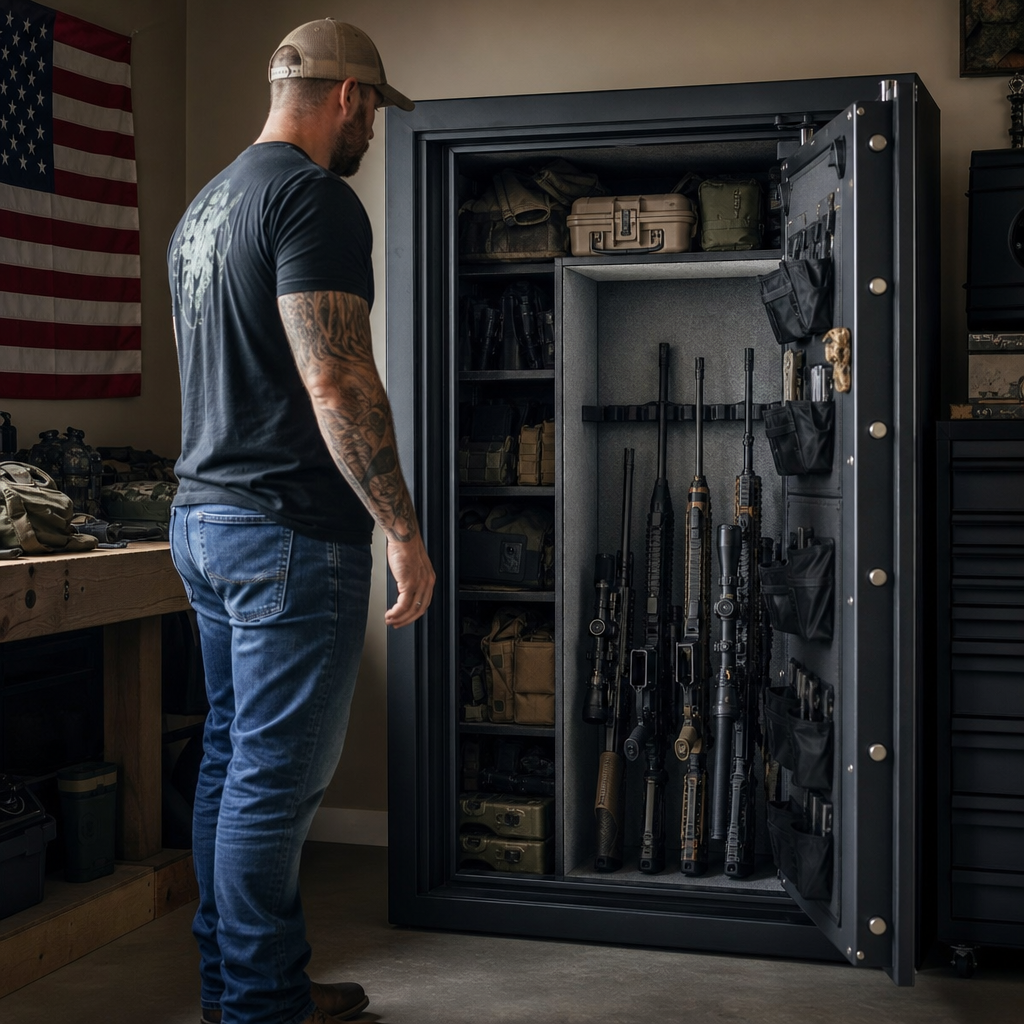
Choosing the best gun safes for military veterans and tactical enthusiasts starts with understanding that no single safe fits every mission, collection, home layout, or threat profile. In the gun safes and safety category, buyer personas matter because a retired infantry sergeant storing duty pistols, medals, and paper records has different needs than a competitive shooter with optics-heavy rifles or a preparedness-minded homeowner building a ready room. A gun safe buyer persona is simply a practical profile built around storage volume, access speed, burglary resistance, fire protection, organization, and daily use habits. I have helped buyers compare safes for suburban homes, rural workshops, and small apartments, and the same lesson comes up every time: buying by brand name alone leads to mismatches, while buying by persona leads to better protection and easier ownership. This hub article explains the major buyer personas within this audience, the features that matter most to each, and the tradeoffs worth weighing before purchase. If you want a safe that supports security, readiness, and long-term value, start with who you are as an owner, then match the safe to that real-world use case.
Why buyer personas matter when choosing a gun safe
The best gun safes for military veterans and tactical enthusiasts are selected through context, not marketing slogans. Veterans often bring a mission-first mindset to gear decisions. They look at access under stress, redundant locking systems, and whether the interior can support rifles with lights, suppressor-ready barrels, chest rigs, sidearms, and important documents in one organized footprint. Tactical enthusiasts often prioritize modularity, rapid retrieval, and compatibility with evolving setups. In both groups, the collection is rarely static. New carbines, thermal optics, hard cases, NFA paperwork, and backup handguns change the storage plan over time.
That is why a buyer persona framework is useful. It forces you to answer direct questions. Are you storing heirloom firearms or hard-use training guns? Do you need quick-access handgun security in a bedroom, or full-length rifle storage in a garage with humidity swings? Is your primary concern smash-and-grab burglary, residential fire, child access prevention, or all three? When buyers skip these questions, they tend to overpay for features they never use or underbuy on steel thickness, locking bolt coverage, or anchoring capacity.
Standards and construction details also matter. Fire ratings vary widely because not all testing methods are equal. Security Containers and Residential Security Containers are not the same as true high-security safes. Steel gauge, door plate construction, continuous welds, relockers, hard plates, and anchor hole placement affect real burglary resistance more than glossy paint or oversized capacity claims. As a hub page for gun safe buyer personas, this article maps the major types of veteran and tactical buyers to the safe categories, feature sets, and evaluation criteria that serve them best.
The retired service member preserving firearms, records, and family history
This persona usually values protection, order, and legacy. The collection may include service pistols, hunting rifles, commemorative firearms, challenge coins, discharge papers, passports, wills, and old photographs. For this buyer, the best gun safe is not just a weapons locker. It is a combined security and preservation system. Fire protection rises in importance because irreplaceable paper documents can be destroyed long before steel fails. Interior organization matters because valuables often share space with firearms.
In practice, I recommend looking closely at larger home safes or hybrid gun safes with adjustable shelving, door organizers, document drawers, and dehumidification support. A model from Liberty Safe, Browning, Fort Knox, or Rhino Metals may fit well if it offers configurable interiors and a credible fire rating. The buyer should verify whether the fire rating is based on independent testing or internal company standards. A safe advertised at ninety minutes means little without knowing the temperature threshold and test protocol.
This persona should also think about placement. A safe in a climate-controlled interior room is usually better for paper records and wood-stocked firearms than one in an outbuilding. Anchoring into concrete is still essential, even for heavy units. Criminals do remove large safes when they are not bolted down. For veterans preserving family history, the best purchase is often a slightly larger safe than current needs suggest, because archives and collections tend to grow, not shrink.
The preparedness-focused tactical homeowner
This buyer prioritizes readiness, layered security, and practical deployment. The collection often includes defensive carbines, handguns, ammunition, medical kits, night vision accessories, and load-bearing gear. The safe is part of a broader home defense plan, not a standalone appliance. Speed of access matters, but so does preventing unauthorized handling by children, visitors, or contractors. This is where many tactical buyers split their storage strategy across multiple products instead of relying on one oversized cabinet.
A common setup pairs a full-size rifle safe in a low-visibility area with one or two quick-access handgun safes near the bed, office, or vehicle staging area. Brands like Vaultek, V-Line, and Fort Knox offer fast-entry options using biometric locks, mechanical simplex locks, or electronic keypads. After seeing these in homes with inconsistent maintenance habits, I generally advise caution with biometric-only systems. Fingerprint readers can be excellent, but they should be backed by keypad, key, or mechanical override options. Dirt, sweat, dry skin, and battery neglect can all create failure points.
For the main long-gun safe, this persona should favor thicker steel, robust boltwork, external hinge quality, pry resistance around the door frame, and effective anchor points. Fire protection is still relevant, but burglary resistance often edges ahead in priority because tactical firearms and optics are high-value theft targets. Door-mounted handgun holsters, AR mag pouches, and barrel supports increase usable capacity. Manufacturer capacity estimates are usually optimistic, especially with scoped rifles. If a safe claims space for thirty-six guns, realistic capacity may be closer to eighteen or twenty-four in a modern tactical loadout.
The apartment dweller or space-constrained veteran
Not every buyer has a basement, dedicated gun room, or slab foundation. Many veterans and tactical enthusiasts live in apartments, condos, townhomes, or compact houses where weight, footprint, and concealment become primary constraints. This persona needs a safe that balances security with manageable dimensions and installation limits. A seven-hundred-pound unit may be ideal on paper, but it can be impossible to move up stairs safely or may violate lease conditions.
For this buyer, compact rifle safes, vertical modular safes, and under-bed long-gun safes deserve serious attention. SecureIt is often discussed in this context because its modular storage approach and lighter cabinets make placement easier, though buyers should be clear-eyed about the difference between organizational efficiency and heavy burglary protection. A modular cabinet can be a smart fit when concealment, anchoring, and fast access offset the limits of lighter steel construction. If burglary resistance is the top concern, a smaller but heavier conventional safe may still be the better answer.
Concealment plays an outsized role here. A safe in a bedroom closet behind ordinary storage is generally better than one displayed in a living area. Noise discipline matters too. Some electronic locks beep loudly, which is a drawback in tight quarters. Mechanical push-button systems and muted electronic models may be preferable. Humidity control should not be ignored just because the safe is indoors. Apartments can trap moisture, especially in closets on exterior walls. A desiccant pack or powered dehumidifier is a low-cost safeguard for optics, blued steel, and documents.
The serious collector, trainer, or competitive shooter
This persona outgrows entry-level storage quickly. The collection may include precision rifles, competition pistols, suppressor hosts, custom 1911s, shotguns, and expensive optics. The safe must protect not only high total value but also specialized configurations that require thoughtful spacing and support. I have seen many serious shooters become frustrated after buying based on advertised gun count, only to realize their long-range rifles with oversized turrets and bipods will not fit the way the brochure suggests.
Collectors and high-volume shooters should evaluate interior adjustability as carefully as lock type. A safe with modular racks, shelving zones, pistol pegs, and door storage can delay the need for a second safe by years. This is also the persona most likely to benefit from stepping up into heavier construction classes, custom interiors, or true safe-room planning. Fort Knox, Graffunder, AMSEC, and higher-tier Liberty models often enter the conversation because they offer more serious steel, upgrade paths, and interior options than mass-market big-box units.
Insurance documentation is another major issue. A collector should maintain serial number records, photographs, appraisal documents, and receipts in both physical and digital form. The safe protects assets, but the insurance claim depends on documentation. Fire ratings deserve close review because optics, adhesives, electronic accessories, and wood finishes can be damaged before the rated limit is reached. For especially valuable collections, a monitored alarm system, cameras, and restricted room access should complement the safe rather than replace it.
Core features every veteran and tactical buyer should evaluate
The right safe depends on persona, but the evaluation criteria remain consistent. Use this framework before comparing models or reading reviews.
| Feature | Why it matters | Best fit personas |
|---|---|---|
| Steel thickness and door construction | Improves pry and attack resistance more than cosmetic upgrades | Preparedness buyers, collectors, rural owners |
| Lock type and redundancy | Affects speed, reliability, maintenance, and failure recovery | All buyers, especially home defense users |
| Fire rating and test credibility | Protects documents, heirlooms, and some firearm components during a house fire | Retirees, collectors, document-focused owners |
| Interior modularity | Supports optics, accessories, mixed firearm types, and future collection growth | Tactical enthusiasts, competitors, multi-use households |
| Anchoring and placement | Prevents removal and improves resistance during burglary attempts | All buyers |
| Humidity control | Reduces rust, mold, optic damage, and document deterioration | Garage, basement, apartment, and coastal owners |
Lock selection deserves a plain answer. Mechanical dial locks remain durable and proven, but they are slower. Electronic keypads offer speed and convenience, though battery maintenance is mandatory. Biometric locks can be useful on bedside safes, but they should not be your only entry method. For many tactical buyers, the best compromise is an electronic keypad on the main safe and a simplex mechanical lock on a quick-access handgun box.
Installation is just as important as specifications. A quality safe that is not anchored, hidden from casual view, and integrated with alarms is underperforming from day one. If you are comparing models, prioritize construction quality, internal fit, and support reputation over flashy branding. Warranty terms, lock replacement support, and local dealer service often become more important after purchase than they seem during shopping.
Common mistakes buyers make and how to avoid them
The most common mistake is buying too small. Tactical rifles with optics, slings, lights, and suppressor-ready lengths consume space fast. Add handguns, passports, medals, and ammunition, and the interior disappears. Buy for future growth, not current minimums. The second mistake is confusing a cabinet with a high-security safe. Lightweight storage has a place, especially in apartments, but buyers should understand the protection level honestly.
Another frequent error is trusting fire ratings without reading the details. Not all ratings are equivalent, and some are based on limited internal tests. Buyers also underestimate moisture. I have opened safes in otherwise secure homes and found rust forming because no one added dehumidification. Finally, many people spend heavily on the safe but ignore anchoring, room placement, and alarm coverage. Security is a system. The safe is the core, but concealment, monitoring, maintenance, and realistic capacity planning are what make it effective.
The best gun safes for military veterans and tactical enthusiasts are the ones matched to real buyer personas, not broad advertising claims. A retired veteran preserving service history needs document protection, organization, and reliable fire resistance. A preparedness-focused homeowner needs fast access, tougher anti-pry construction, and a layered storage plan. An apartment dweller needs compact dimensions, concealment, and realistic expectations about weight and installation. A collector or competitive shooter needs scalable capacity, modular interiors, stronger construction, and documented asset management.
Across every persona, the fundamentals stay the same: verify steel and lock quality, treat fire ratings critically, anchor the safe, control humidity, and assume your collection will grow. If this article is your starting point in the gun safe buyer personas subtopic, use it as a decision map for the deeper comparisons that follow, from lock types to installation strategies to safe sizing. Identify your persona, list your must-have features, measure your space, and buy the safe that fits your mission with room to spare.
Frequently Asked Questions
1. What should military veterans and tactical enthusiasts look for when choosing the best gun safe?
The right gun safe starts with an honest assessment of your mission, not just the number of firearms you currently own. Military veterans and tactical enthusiasts often store more than rifles and pistols. They may also need room for optics, suppressors where legal, loaded magazines, armor, important documents, medals, cash, electronics, and other high-value gear. That means interior layout, shelving flexibility, door organization, and long-gun spacing matter just as much as advertised capacity. A safe labeled for 24 guns rarely stores 24 modern tactical firearms comfortably, especially once you add scopes, bipods, slings, and accessories.
Security construction is another major factor. Look closely at steel thickness, door design, locking bolts, pry resistance, relockers, and hinge protection. Many buyers focus on branding or cosmetics, but true performance comes from solid construction and practical anti-theft engineering. Fire protection is also important, especially if you plan to store paper records, military service documents, passports, hard drives, or family heirlooms alongside firearms. Pay attention to the fire rating details, including temperature, time, and whether the manufacturer explains how that rating was tested.
Access style matters too. Some buyers want rapid entry for defensive firearms, while others need a larger, slower-access safe for long-term storage and collection protection. In many cases, the best setup is not one safe but a layered storage plan: a primary full-size safe for the collection and documents, plus a smaller quick-access unit for home-defense firearms. Veterans and tactical-minded buyers should also think about placement, anchoring, humidity control, backup entry methods, and how the safe fits into their home security plan. The best gun safe is the one that matches your actual use case, expected threats, available space, and future growth.
2. How large should a gun safe be for a tactical rifle and pistol collection?
The safest rule is to buy larger than you think you need. Tactical collections grow quickly, and modern firearms take up more space than traditional hunting guns. AR-style rifles, precision rifles with large optics, shotguns with side saddles, braced firearms where legal, and handguns stored in racks or door panels all consume space differently than the manufacturer’s advertised gun count suggests. If you currently own eight long guns, several pistols, magazines, and accessories, a safe marketed as holding 20 to 30 guns may be a more realistic starting point than a smaller cabinet or entry-level safe.
Interior depth and layout are often more important than raw capacity. A safe with adjustable shelving, modular rifle racks, door-mounted organizers, and dedicated pistol storage can dramatically improve usable space. Veterans and tactical enthusiasts frequently store mission-related items together, such as binoculars, nods, holsters, cleaning gear, radios, hard cases, and paperwork. If the safe is too cramped, organization suffers, access becomes slower, and there is a greater chance of damaging optics or finishes through overcrowding.
Think ahead three to five years, not just today. Many people buy a safe for their current collection, then outgrow it after adding a few rifles, backup handguns, or inherited firearms. It is usually more cost-effective to buy one properly sized safe now than to replace an undersized model later. Also consider the dimensions of the room, hallway, doorway, and floor structure before purchasing. A larger safe only helps if it can be delivered, installed, anchored, and opened comfortably in your chosen location. For most tactical buyers, “extra room” is not a luxury; it is what keeps the safe practical over time.
3. Are biometric and electronic locks a good choice for veterans and preparedness-minded gun owners?
Biometric and electronic locks can be excellent choices, but they should be evaluated with the same practical mindset used for any other piece of security equipment. The main advantage is speed and convenience. For owners who need fast access, especially on a bedside safe or quick-access handgun vault, an electronic keypad or well-designed biometric reader can be much faster than a traditional dial. That speed can be important in a defensive scenario, and it can also make it more likely that the owner consistently keeps firearms secured rather than leaving them accessible out of convenience.
That said, not all electronic or biometric systems are equal. Quality matters. A reputable lock from a trusted manufacturer with a proven track record is very different from a bargain system with inconsistent fingerprint recognition or questionable electronics. Veterans and tactical enthusiasts often value reliability under stress, and rightly so. A lock should work in low light, under time pressure, and with realistic conditions such as sweaty hands, minor finger abrasions, or frequent use. It is wise to choose a safe with a backup override option or an alternative access method, depending on the application.
For a large full-size gun safe, many owners prefer electronic keypad locks for their balance of speed and reliability, while some still favor mechanical dial locks for their long-term simplicity and resistance to battery-related issues. There is no single correct answer. The better question is how the safe will be used. If it is a daily-access defensive safe, quick entry may justify electronic or biometric technology. If it is a long-term storage safe in a lower-frequency access environment, a mechanical lock may still be attractive. In either case, routine maintenance matters: replace batteries on schedule, test the lock regularly, store backup codes securely, and avoid assuming that technology alone solves every access problem.
4. How important are fire ratings, waterproofing, and climate control in a gun safe?
They are extremely important, especially for veterans who may be storing irreplaceable service records, medals, photographs, tax documents, and other sensitive items alongside firearms. Theft is often the first threat people think about, but fire, moisture, and humidity can be just as destructive over time. A gun safe should not be judged only by how hard it is to pry open. It should also protect what is inside from environmental damage, including rust, corrosion, mold, and heat-related loss.
Fire ratings should be read carefully, because marketing language can be misleading. Look for specifics on how long the safe is rated to withstand a certain temperature and whether the manufacturer explains the testing conditions. A stronger fire rating can provide valuable protection for both firearms and documents, but buyers should remember that no safe is invincible under every fire condition. If paper documents, digital media, or heirlooms are especially important, consider using additional interior document protection such as a dedicated fire-resistant document box placed inside the safe.
Climate control is essential for long-term firearm storage. Humidity is a major enemy of steel, optics, leather, and paperwork. A dehumidifier rod, desiccant system, or both can help maintain a safer internal environment, especially in basements, garages, or humid regions. Waterproofing can also be valuable, but buyers should understand exactly what the manufacturer means by the term. Some safes offer water resistance against firefighting runoff or minor flooding, while others are not designed for serious water exposure. In short, fire protection, moisture management, and internal climate control are not optional extras for many owners; they are core features that help preserve both the practical and sentimental value of what the safe holds.
5. Where is the best place to install a gun safe, and should it be bolted down?
The best place to install a gun safe is somewhere secure, discreet, structurally appropriate, and practical for your actual access needs. For many homeowners, that means a ground-floor interior location with limited visibility from windows or entryways, reasonable climate stability, and enough clearance to fully open the door and use the interior efficiently. Basements can work well if moisture is controlled, while garages may be less ideal unless temperature swings and humidity are carefully managed. A bedroom closet, office, spare room, or dedicated storage area is often a better balance between concealment and accessibility than a high-traffic common area.
Yes, in most cases a gun safe should absolutely be bolted down. Even a heavy safe can be moved by determined thieves with tools, leverage, and enough time. Anchoring dramatically improves security by making smash-and-grab removal far more difficult. It also helps reduce tipping risks, which is important for both safety and theft resistance. If the safe has pre-drilled anchor holes, use the manufacturer’s recommendations and install it properly into concrete or appropriate structural support. For upper floors or wood-framed homes, it may be wise to consult a contractor or installer to ensure the floor can handle the weight safely and that anchoring is done correctly.
Placement should also support your broader home-defense and security plan. A safe tucked into a hidden but inconvenient location may protect against theft yet frustrate legitimate access. On the other hand, a highly accessible placement that is obvious to guests, contractors, or criminals may create unnecessary risk. The ideal installation balances concealment, environmental protection, structural support, and user access. Many experienced owners also layer their setup with alarms, cameras, reinforced doors, and insurance documentation. A gun safe works best not as a standalone solution, but as part of a complete approach to firearm security and responsible ownership.