
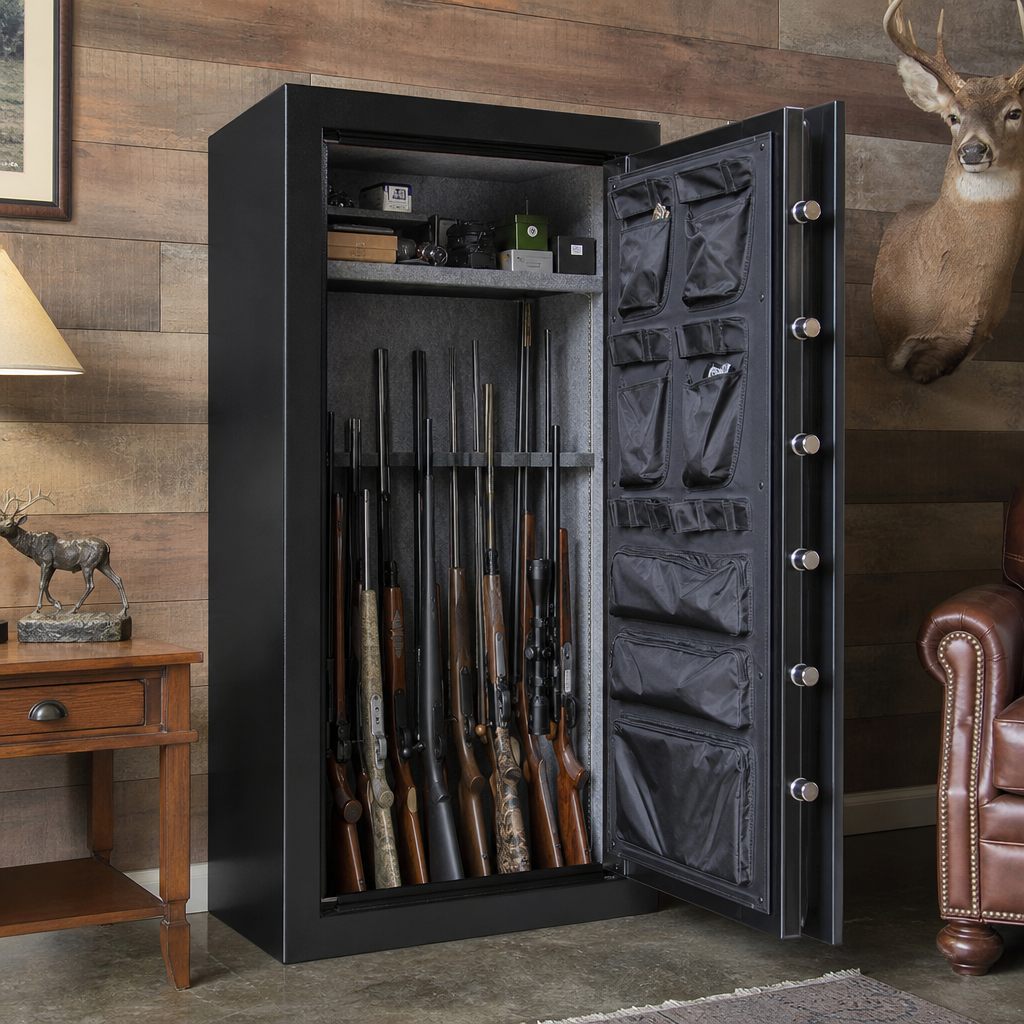
Choosing a gun safe is not just about buying a steel box; for hunters, it is about matching storage security to the way they hunt, travel, store optics, and protect a household. The top gun safe features every hunter should consider depend heavily on buyer persona, a practical way to group owners by habits, budget, collection size, and risk level. In plain terms, a buyer persona is a profile that describes how a real type of hunter shops and uses a safe. This matters because the ideal safe for a weekend deer hunter with two bolt-action rifles is different from the best fit for a waterfowl hunter storing shotguns, chest waders, documents, and ammunition in a humid garage. I have helped hunters compare safes for cabins, suburban homes, and farm shops, and the same lesson comes up every time: features only matter when they solve the owner’s actual storage problem. Fire rating, steel thickness, locking system, interior layout, anchoring method, and moisture control all need to align with use case. As a hub for Gun Safe Buyer Personas, this guide explains which features matter most, how to compare them, and which hunter profiles should prioritize each one before spending money.
Why buyer personas matter when choosing a hunting gun safe
Buyer personas help simplify a market full of confusing claims. Many safe listings promote size, fire minutes, or “military style” locking bolts, but hunters make better choices when they start with how and where the safe will be used. In practice, I group hunting buyers into a few recurring profiles: the new hunter building a first setup, the value-focused family hunter, the serious collector with multiple long guns and optics, the backcountry or seasonal property owner, and the high-humidity user storing firearms in a garage, basement, or outbuilding. Each persona faces a different combination of theft risk, environmental risk, access needs, and space constraints.
For example, a first-time hunter often overbuys advertised capacity and underestimates future accessory growth. A safe labeled for twenty-four guns rarely stores twenty-four scoped hunting rifles comfortably. By contrast, an established hunter with premium optics may need less nominal capacity but far more interior flexibility, soft support points, and organized handgun storage. Personas also clarify tradeoffs. A heavier safe with thicker steel and a better door structure usually provides better burglary resistance, but may be harder to deliver into a second-floor room or seasonal cabin. A biometric lock gives quick access, but a quality electronic keypad from SecuRam or Sargent and Greenleaf may be the more proven long-term choice for many owners. Understanding persona first prevents feature shopping in a vacuum.
Core gun safe features every hunter should evaluate first
Every hunter should begin with six fundamentals: burglary resistance, fire protection, usable capacity, lock type, anchoring, and environmental control. Burglary resistance starts with steel thickness and overall construction. Many entry safes use 14-gauge or 12-gauge steel bodies, while stronger residential models move into 10-gauge or thicker. Door design matters as much as body steel. A formed door with active locking bolts on multiple sides, a reinforced door frame, hard plate protection, and relockers is meaningfully better than decorative bolt count alone.
Fire protection needs careful reading. Fire ratings vary by manufacturer test method, temperature threshold, and duration. A claim of sixty minutes at 1,200 degrees is not directly equal to ninety minutes at 1,400 degrees. Hunters storing paper licenses, land deeds, tax stamps, or irreplaceable photos should understand that many safes protect firearms from heat transfer better than they protect paper from charring. In higher-risk homes, a dedicated document pouch or separate media container inside the safe can help.
Usable capacity is where hunters get burned most often. Scoped rifles, bipods, slings, and wide choke cases reduce true storage count dramatically. If you own eight long guns today, buying a safe advertised for twelve is usually too small. Lock type should favor reliability and serviceability. Mechanical dial locks remain durable and power-free, while premium electronic locks offer faster access and simpler code changes. Anchoring is nonnegotiable because even a good safe can be defeated if thieves can tip, pry, or remove it. Finally, moisture control is essential for blued steel, wood stocks, leather slings, and expensive glass.
Matching features to common hunter buyer personas
Different hunter personas should rank safe features differently, and that ranking should drive budget allocation. The table below shows where most hunters should place their emphasis.
| Hunter persona | Primary risks | Top safe features | Best buying advice |
|---|---|---|---|
| First-time hunter | Outgrowing capacity, overspending on cosmetics | Flexible interior, anchor holes, reliable electronic or dial lock | Buy 30 to 50 percent larger than current collection |
| Family hunter with children | Unauthorized access, mixed-use storage | Fast lock, pry-resistant door, interior handgun and document organization | Prioritize access control and anchored placement inside the home |
| Waterfowl or humid-climate hunter | Rust, stock swelling, mold, wet gear transfer | Dehumidifier, door seal, raised floor, corrosion management | Separate wet gear and use desiccants plus powered drying |
| Collector or optics-heavy hunter | Crowding, finish damage, high replacement cost | Thicker steel, modular racks, soft barrel rests, shelves for optics | Ignore marketing capacity and focus on usable layout |
| Cabin or seasonal-property owner | Break-ins, delayed detection, climate swings | Heavy body steel, long fire rating, concealed placement, anchoring | Choose stronger burglary resistance over decorative features |
The first-time hunter persona benefits from restraint. I usually recommend skipping glossy paint upgrades and door-panel gadget kits if those features reduce budget for better steel or a larger footprint. A family hunter, especially one storing defensive handguns alongside hunting arms, should value fast but dependable access and an interior that prevents handguns from being buried under soft cases. The waterfowl persona needs a system, not just a safe: wipe-down routine, airflow, desiccant rotation, and a GoldenRod-style heater or equivalent. The collector persona often does best with a safe one class above what the raw gun count suggests. Seasonal-property owners should think like burglars do: visibility, time on site, and removal options all matter.
Security construction, lock systems, and installation details that make the difference
When hunters ask what feature matters most in real-world theft prevention, my answer is usually the combination of body steel, door strength, and anchoring. Marketing often highlights bolt count, but exposed pry gaps and thin steel are bigger problems than having fewer bolts. Composite doors, continuous welds, and reinforced lock areas resist attack better than superficial styling. If a safe will sit in a garage, mudroom, or detached shop, concealment and installation matter even more because those spaces give thieves time, noise cover, and tool access.
Lock selection should be practical. Mechanical dials from reputable manufacturers have a long service record and no battery dependence, which appeals to hunters who want simple reliability in remote cabins. Electronic keypad locks are easier for households with multiple authorized users and faster during early-morning departures. Biometric systems have improved, but fingerprint readers can still struggle with cold, dirty, or wet hands, which makes them less ideal as the only access method for many hunters. Redundant entry options and external battery jump features are worth considering on electronic models.
Installation details are too often ignored. A safe should be anchored into concrete with wedge anchors or into a structurally sound floor system using proper lag hardware where manufacturer guidance allows. Place it where humidity is manageable and pry access is limited. In several farm installations I have seen, the safest room was not the garage but an interior utility room with fewer attack angles and better climate control. If delivery access is tight, confirm final dimensions including handle, hinge swing, and door removal options before purchase. Weight also affects floor loading; large safes can exceed several hundred pounds empty and much more when filled with firearms, ammunition, and gear.
Interior organization, fire protection, and moisture control for hunting equipment
A hunting gun safe should protect more than barrels and actions. Most hunters store optics, suppressor paperwork where legal, rangefinders, choke tubes, calls, knives, passports, cash, and seasonal documents. That makes interior organization a major buying factor. Adjustable shelving is valuable because hunting collections change. One year you may need more long-gun slots; the next year, more shelves for binoculars, ammunition segregation, and camera gear. Door-panel organizers can be useful if they do not interfere with scoped rifles on the first rack position.
Interior protection should include soft contact points and enough clearance to avoid stock dents and scope knocks. Hunters with premium scopes from Leupold, Vortex, Nightforce, or Swarovski should measure optic height before assuming a rack will fit. A “gun count” based on iron-sighted rifles is meaningless for modern hunting setups with large objective lenses. For collectors of wood-stocked rifles or shotguns, avoid overpacked interiors that force finish-to-finish contact.
Fire protection remains important, especially in rural areas where response times can be longer. Look for expanded fire seals, multiple insulation layers, and transparent testing language. If a manufacturer cannot explain its rating clearly, treat the claim cautiously. Moisture control is just as important and often more relevant day to day. Basements and garages create condensation risks. Use a powered dehumidifier rod where electricity is available, supplemented by rechargeable desiccants and a hygrometer. Keep wet boots, waders, and decoy bags out of the safe. The best rust prevention feature is disciplined storage behavior supported by a stable interior environment.
How to choose the right safe without overpaying
The smartest way to buy a hunting gun safe is to set priorities in order: security, fit for your collection, environmental protection, then convenience features. Start by listing current firearms, likely additions over five years, and non-firearm items that need protected storage. Then map those needs to your buyer persona. If you are a suburban family hunter, spend more on a better lock, anchoring, and interior access. If you are outfitting a remote cabin, pay for thicker steel, a stronger door, and longer fire protection before paying for plush interiors or decorative paint.
Compare specifications carefully and verify dealer support. Good dealers explain steel gauge, lock brand, fire testing basis, and delivery limitations in plain language. They also tell you what the safe will not do. No residential gun safe is an impenetrable vault, and honest guidance on placement, alarms, cameras, and insurance is a sign you are dealing with someone credible. For many hunters, the sweet spot is not the cheapest import cabinet and not the heaviest custom safe, but a mid-tier residential model from an established brand with proven lock hardware and enough space to grow.
The main benefit of using Gun Safe Buyer Personas is clarity. You stop shopping by ad copy and start buying for real conditions: who lives in the home, how often the safe is accessed, how many optics you own, where humidity comes from, and how costly loss would be. Choose the features that fit your hunting life, not someone else’s. Measure your space, audit your collection, compare true construction details, and buy a safe that will still work five seasons from now.
Frequently Asked Questions
1. What gun safe features matter most for hunters compared to the average firearm owner?
Hunters often need a different mix of gun safe features than someone who owns firearms mainly for home defense or occasional range use. A hunter’s safe has to protect not only rifles and shotguns, but also scoped firearms, slings, bipods, ammunition, important documents, and expensive accessories such as rangefinders, binoculars, calls, and optics. That is why capacity, interior flexibility, and real-world storage usability matter just as much as basic security. A safe that technically holds a certain number of guns may not work well for long-barreled hunting rifles with mounted scopes, so adjustable shelving, barrel rests, and room for bulky setups are especially important.
Security is still the foundation. Hunters should look for solid steel construction, reinforced doors, reliable locking bolts, pry-resistant door designs, and a quality lock system. Fire protection is also important because many hunters store gear in garages, basements, workshops, or outbuildings where fire risk may be higher. At the same time, environmental protection matters more for hunting firearms because exposure to moisture, mud, changing temperatures, and seasonal storage conditions can lead to rust or damage. Features like door seals, humidity control compatibility, and well-designed interiors can make a major difference over time.
Another feature hunters should prioritize is access style. Some buyers want fast access to one or two frequently used firearms during season, while others need deep storage for an expanding collection used across deer, waterfowl, turkey, or big game hunting. That is where buyer persona becomes useful. A weekend hunter with two rifles and one shotgun may need a compact safe with efficient organization, while a dedicated outfitter or traveling hunter may need a larger safe with more advanced theft protection and better interior segmentation. The best gun safe for a hunter is not just the strongest one on the floor; it is the one that matches how the owner actually hunts, stores gear, and manages risk at home.
2. How do I choose the right gun safe size if I hunt with scoped rifles, shotguns, and other gear?
Choosing the right size is one of the most common mistakes hunters make, because safe manufacturers often rate capacity under ideal conditions that do not reflect real hunting setups. If you own scoped bolt-action rifles, shotguns with accessories, long barrels, or firearms in protective sleeves, the advertised capacity can feel very optimistic. A “12-gun safe” may not comfortably hold 12 hunting firearms once optics and practical spacing are factored in. For hunters, it is usually smarter to buy larger than your current collection requires.
A good rule is to think in terms of usable storage rather than just firearm count. Consider how many long guns you currently own, how many you realistically may add in the next few years, and whether you need shelf space for handguns, ammo, cleaning supplies, suppressor accessories where legal, or hunting electronics. If you hunt multiple seasons, your storage needs can expand quickly. Waterfowl gear, deer rifles, turkey shotguns, and backcountry optics all compete for protected space. Adjustable interiors are especially valuable because they let you reconfigure the safe as your hunting style changes.
Height and depth are just as important as width. Hunters often use rifles with larger scopes, elevated rings, and longer barrels, which can create fit problems in smaller safes. Deep interiors help prevent crowding and reduce the chance of guns rubbing against each other or damaging optics. Door organizers can also be extremely useful, but only if they do not interfere with firearm clearance. In practical terms, the right size safe is one that allows safe spacing, future growth, and easy access without forcing you to jam equipment into every inch. If you are between sizes, the larger option is usually the better long-term investment for a hunter.
3. Are fire ratings and moisture protection really that important in a gun safe for hunters?
Yes, and for many hunters they are essential. Fire ratings matter because a gun safe is often expected to protect more than firearms alone. Many hunters also keep tags, licenses, land documents, tax records, cash, photos, and other valuables in the safe. A meaningful fire rating can buy critical time during a house fire, especially if the safe is built with quality insulation, an expanding door seal, and tested temperature resistance. Not all fire ratings are equal, so it is wise to look beyond marketing language and understand who tested the safe, what temperature it was rated for, and how long it was designed to protect contents.
Moisture protection is just as important, and in some hunting households it is the bigger everyday threat. Fire is catastrophic but relatively rare; humidity, condensation, and seasonal moisture are constant problems. Hunters often bring firearms in from wet blinds, snowy truck beds, muddy trails, or cold mornings that create condensation once guns are indoors. Basements, garages, and detached buildings can make the issue worse. Over time, excess moisture can lead to rust, wood stock damage, corrosion on optics, and deterioration of ammunition or gear.
That is why hunters should look for safes that work well with dehumidifiers, desiccant systems, or built-in electrical access ports. Good door seals, elevated placement, proper anchoring, and strategic room selection also help protect contents from environmental damage. In short, a gun safe for a hunter should not be judged only by whether it can stop a thief. It should also help preserve the condition of rifles, shotguns, optics, and important gear through years of seasonal use, temperature swings, and exposure to damp conditions. For hunters, fire and moisture protection are not extra features; they are part of responsible long-term storage.
4. What locking system is best for a hunter: mechanical dial, electronic keypad, or biometric?
The best locking system depends on how the hunter uses the safe, where the safe is located, and how much convenience matters compared to simplicity. Mechanical dial locks are valued for durability, long-term reliability, and fewer electronic components that can fail. Many buyers like them because they are time-tested and do not rely on batteries. However, they are slower to open, which may be inconvenient for hunters who access the safe frequently during the season or want easier daily use.
Electronic keypad locks are a popular middle ground because they offer faster access and simple code changes. For many hunters, this makes practical sense. If you regularly take rifles in and out, store gear in the same safe, or share access with a spouse or trusted family member, an electronic lock can make ownership more convenient. Quality matters here. A well-made electronic lock from a reputable manufacturer is generally a strong choice, while cheap or poorly supported systems can become frustrating. Battery maintenance and emergency override procedures should also be understood before buying.
Biometric locks can be useful for quick access, especially on smaller safes or secondary storage units, but they should be evaluated carefully. Fingerprint readers can vary widely in quality, and performance may be affected by dirt, moisture, cold conditions, or inconsistent scans. For hunters who often return home with dirty hands, gloves, or wet conditions, biometrics may not always be the most dependable primary option. In many cases, the best answer is not that one lock type is universally superior, but that the lock should match the owner’s habits. A hunter focused on simplicity and longevity may prefer a mechanical dial. A hunter who wants regular, convenient access may lean toward a quality electronic keypad. The key is to choose a proven lock system from a trusted manufacturer rather than selecting based only on novelty or speed.
5. How does buyer persona help hunters choose the best gun safe features for their situation?
Buyer persona helps turn a broad buying decision into a practical one. Instead of asking, “What is the best gun safe?” the better question becomes, “What is the best gun safe for the kind of hunter I am?” A buyer persona is simply a profile built around real habits, budget, collection size, travel patterns, storage environment, and household risk factors. This is especially useful in the hunting world because not every hunter stores firearms the same way. Someone with a pair of deer rifles in a suburban home has very different needs from a landowner with multiple long guns, premium optics, and a shop building on rural property.
For example, a new or budget-conscious hunter may need a smaller safe that prioritizes basic theft resistance, room for a few scoped firearms, and moisture control in a basement or closet. A family-focused hunter with children in the home may care most about secure locking, anchor capability, and controlled access. A serious collector or multi-season hunter may need higher capacity, stronger steel, upgraded fire protection, and a more adaptable interior. A hunter who travels often or stores guns in a detached structure may place more value on heavier construction, better pry resistance, and environmental durability.
Using buyer persona also helps prevent overspending on features you do not need or underbuying in areas that matter. It keeps the purchase focused on real use rather than generic marketing claims. The right gun safe for one hunter might be oversized and expensive for another, while a compact entry-level model might be completely inadequate for someone with a growing collection and higher theft risk. By matching the safe to the hunter’s actual lifestyle, buyer persona leads to better decisions about size, lock type, fire rating, storage layout, and long-term value. That makes it one of the smartest ways to evaluate the top gun