
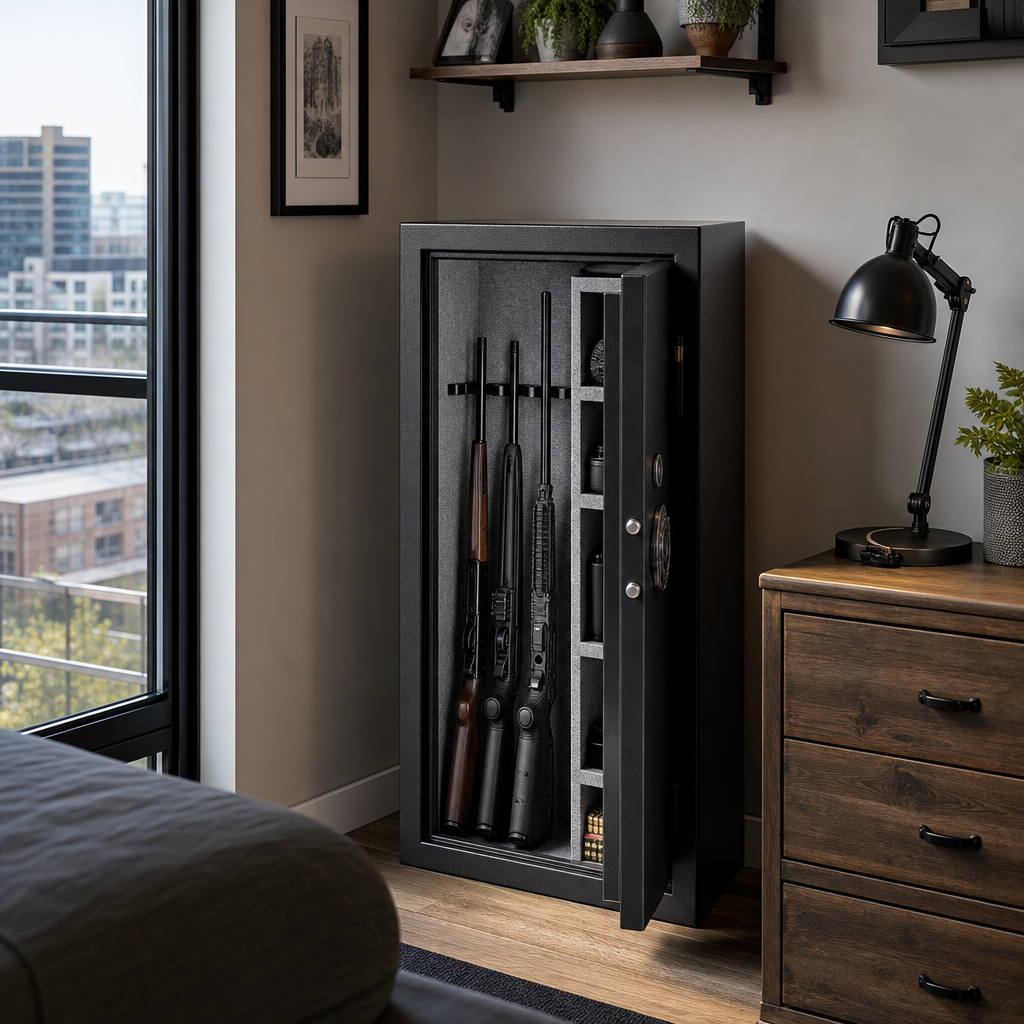
Apartment living changes how people think about firearm storage. Space is limited, walls are shared, and moving a heavy safe up stairs or through a narrow hallway can turn a simple purchase into a logistical problem. Gun safes for apartment dwellers must solve three needs at once: secure storage, compact dimensions, and practical installation. A safe that works well in a suburban basement often fails in a one-bedroom rental, where closet depth, floor loading, lease terms, and noise all matter. The right choice protects firearms from unauthorized access, reduces theft risk, and keeps daily life manageable in a smaller home.
When I have helped renters evaluate compact safes, the first mistake is usually buying by exterior size alone. A “small” safe may still be too heavy for a second-floor walk-up, too tall for a coat closet, or too obvious beside a bed. Key terms matter. A handgun safe is typically designed for one to four pistols and prioritizes quick access. A compact long-gun safe is narrower and shorter than a full-size cabinet but may still hold rifles with optics. A residential security container, the most common category sold to consumers, offers burglary resistance but is not the same as a commercial vault. Fire ratings also vary widely, and many apartment buyers overestimate what entry-level models can withstand.
This topic matters because apartment dwellers are not one audience. They include first-time handgun owners, concealed carriers, parents, collectors in limited space, remote workers who keep a bedside safe, and military renters who move often. Each buyer persona has different priorities: speed, discretion, capacity, budget, anchoring options, or portability. A hub article should connect those needs to realistic product types and buying criteria. That is what this guide does. It explains how to choose compact and secure options, how to think through common renter constraints, and how different gun safe buyer personas narrow the field so you can select a safe that fits both your firearms and your apartment.
What apartment dwellers need from a gun safe
The best gun safe for an apartment is usually the one that balances footprint, access method, and theft resistance without creating installation headaches. In plain terms, you need a model that fits where you actually have room, opens reliably under stress, and is difficult for a thief or unauthorized person to remove or defeat. For most renters, that means measuring intended placement areas first: closet width and depth, under-bed clearance, bedside reach, and the path from the front door to the final location. Elevators, stair turns, and floor transitions matter just as much as the room dimensions.
Apartment-specific constraints shape every decision. Lease agreements may limit drilling into floors or walls, which affects anchoring. Shared walls mean loud access mechanisms or frequent beeping can become a nuisance. Multi-unit buildings also have predictable traffic patterns, making delivery discretion important. Weight is another real concern. While most modern apartments can handle normal residential loads, very heavy safes concentrate weight in a small footprint. Spreading load near a load-bearing wall is generally smarter than placing a dense safe in the center of a room. For renters, compact safes in the roughly 80-to-300-pound range are often easier to manage than traditional 600-pound gun safes, yet still more secure than lockboxes.
Security should be matched to risk. If your main concern is preventing child access or securing one defensive handgun, a quick-access bedside safe from brands such as Fort Knox, Vaultek, or Hornady may be enough. If you own multiple firearms and worry about smash-and-grab theft, a heavier vertical safe or steel cabinet with better boltwork becomes more important. The wrong approach is paying for capacity you cannot use or ignoring the possibility that a small, unanchored safe can simply be carried away. Apartment dwellers should think in layers: concealment, controlled access, physical security, and safe placement.
Gun safe buyer personas and the right compact option for each
Buyer personas make this category easier to navigate because they connect storage needs to actual living patterns. The first common persona is the first-time handgun owner in a studio or one-bedroom apartment. This buyer usually needs a compact handgun safe with fast biometric or keypad access, room for one or two pistols, and simple setup inside a nightstand, dresser, or closet shelf. Capacity is less important than reliability, low profile design, and the ability to secure the unit with a cable or anchor point.
The second persona is the concealed carrier who wants daily access and discreet storage. This person benefits from a quick-access safe near the bed and may pair it with a separate small lockbox for a vehicle. In apartments, concealed carriers often prefer slim safes that fit drawers or mount inside furniture. The third persona is the parent in a family apartment. Here, speed still matters, but child resistance and consistent relocking matter more. Interior organization, tamper alerts, and a habit-friendly placement are critical because a safe only works if it is used every time.
The fourth persona is the enthusiast or collector living in limited square footage. This buyer needs more capacity without moving to a huge footprint. Compact long-gun safes, modular cabinets, and under-bed rifle safes become viable. The fifth persona is the frequent mover, including military renters, students, and contract workers. They need a safe that can survive relocation, fit through varied floor plans, and avoid expensive rigging each time they move. For them, moderate weight and durable finishes often matter more than maximum capacity. The sixth persona is the budget-conscious renter who needs compliant, basic security now and plans to upgrade later. This buyer should avoid the cheapest no-name boxes and instead choose a respected entry model with verified steel thickness, tested locking components, and clear mounting provisions.
| Buyer persona | Primary need | Best compact option | Key tradeoff |
|---|---|---|---|
| First-time handgun owner | Simple secure storage | Small biometric or keypad handgun safe | Limited capacity |
| Concealed carrier | Fast defensive access | Drawer or bedside quick-access safe | Lower theft resistance than heavier safes |
| Parent with children | Consistent lockup and child resistance | Quick-access safe with backup keypad and tamper alerts | More expensive electronics |
| Collector in small apartment | Higher capacity in less space | Compact vertical long-gun safe or under-bed rifle safe | Harder placement and delivery |
| Frequent mover | Portability and durability | Mid-weight steel safe with anchor kit | Less mass than full-size safes |
| Budget-conscious renter | Affordable baseline protection | Entry-level branded safe or cabinet | Thinner steel and fewer features |
Choosing between handgun safes, under-bed safes, and compact long-gun safes
Most apartment buyers are deciding between three formats. Handgun safes are the easiest to place and the most suitable for bedside access. They are ideal for one to four pistols, spare magazines, and documents. Good models use reinforced steel bodies, pry-resistant doors, gas struts, and keypad, biometric, or simplex-style mechanical locks. In my experience, mechanical pushbutton designs remain excellent for pure reliability, while premium electronic safes offer faster programming, interior lighting, and app-based alerts. The downside is obvious: small size limits both storage and burglary resistance unless the safe is anchored well.
Under-bed safes are often the smartest option for apartment dwellers who own one or two long guns or want hidden storage without sacrificing closet space. These safes slide beneath standard bed frames and can store rifles, shotguns, handguns, or valuables in a horizontal tray. They are discreet, low to the ground, and easier to position than tall safes in rooms with tight corners. However, buyers must check bed height, drawer clearance, and whether optics or accessories increase firearm dimensions. Some under-bed units are more like secure drawers than true safes, so steel gauge and lock quality vary significantly.
Compact long-gun safes are best for owners who need vertical storage for rifles in a small footprint. These safes fit closets better than full-size models and can often hold a handful of long guns, though published capacities are optimistic. A “10-gun” safe may realistically hold five or six scoped rifles. Look for welded bodies, at least decent door reinforcement, internal hinges or protected external hinges, and anchor holes. If a model includes a fire seal, verify the rating source and test conditions. Marketing claims without details should not drive the purchase.
How to evaluate security, fire protection, and access methods
Security starts with steel, lock design, and anchoring, not with flashy branding. Thicker steel resists prying and cutting better than thin sheet metal. Door gaps should be tight, boltwork should engage cleanly, and the safe should have predrilled anchor points. For many apartment dwellers, anchoring to a structural surface or using a manufacturer-approved method is what turns a compact safe into a practical theft deterrent. An unanchored 100-pound safe can still be removed by two people in minutes. If drilling is restricted, some renters use heavy furniture integration and cable systems as partial mitigation, but that is not equal to a true anchor installation.
Fire protection deserves a realistic view. Many residential gun safes advertise fire ratings in minutes at specific temperatures, but test methods are not always standardized across brands. A fire label can be useful, yet it should not be treated as a guarantee that contents will be undamaged. In apartments, localized fires, suppression water, and smoke are all relevant. If documents or electronics are stored inside, secondary protection such as document pouches or desiccants may be necessary. Fireboard insulation also adds weight and bulk, so small-apartment buyers need to decide whether burglary resistance or fire performance is the higher priority.
Access method is where daily use meets reliability. Biometric locks are fast and convenient, but quality varies. Good sensors work well when fingers are dry and enrolled correctly; poor ones create frustration. Keypads are widely available, easy to share with a spouse, and generally dependable if battery maintenance is routine. Mechanical simplex locks are slower to learn but extremely reliable and immune to dead batteries. Traditional key backup is useful, but keys create their own storage risk. For most apartment dwellers, the best setup is a reputable keypad or biometric safe with a dependable override and a battery status indicator.
Installation, concealment, and renter-friendly placement strategies
Placement can improve security as much as the safe itself. In apartments, closets remain the best general location because they reduce visibility during maintenance visits, deliveries, or social gatherings. A compact long-gun safe tucked into a bedroom closet against a structural wall is often more secure and less intrusive than a larger model displayed in open space. Under-bed placement works well when concealment is a priority, while a nightstand-mounted handgun safe suits defensive access. Avoid obvious locations visible from windows or directly across from entry doors.
Moving and installation should be planned before purchase. Measure doorways, interior turns, elevator dimensions, and the final footprint. Check whether the safe arrives curbside, threshold, or room-of-choice. I have seen more than one apartment buyer forced to return an otherwise excellent safe because the packaging added just enough width to fail at the last hallway turn. Once inside, use manufacturer instructions for anchoring, spacing, and battery installation. If your lease is strict, ask property management what is permitted before drilling. Some renters choose closet floor anchoring that can be professionally patched later.
Concealment is not a substitute for security, but it does reduce opportunistic discovery. Furniture integration, closet placement behind hanging garments, and low-profile finishes help safes blend into apartment interiors. Noise discipline matters too. Disable unnecessary beeps if the model allows it, and test the lock during normal nighttime conditions. A safe that is secure but painfully loud may lead to poor habits, especially in homes with sleeping children or thin walls.
Buying mistakes apartment dwellers should avoid
The biggest mistake is buying for advertised capacity instead of actual use. Long-gun counts are almost always inflated, especially if rifles have optics, slings, or modern sporting rifle configurations. The second mistake is choosing a safe too heavy or too large for the apartment layout. The third is relying on an unanchored lightweight box for theft protection. Another common error is prioritizing biometrics over build quality. A fast lock on a weak shell is still a weak safe.
Buyers also underestimate humidity, especially in coastal areas or older buildings with variable climate control. A compact safe can trap moisture, so desiccant packs, rechargeable dehumidifiers, or rust-prevention products may be necessary. Finally, many renters wait until after a firearm purchase to solve storage. The better sequence is to choose the storage method first, confirm fit, and then buy the firearm knowing you can secure it properly from day one. That approach is safer, cheaper, and far less stressful.
Gun safes for apartment dwellers are not a niche afterthought; they are a distinct category shaped by limited space, renter constraints, and different ownership patterns. The best choice depends on buyer persona. A first-time owner may need a compact bedside handgun safe. A parent may need faster relocking and tamper alerts. A collector may need an under-bed rifle safe or a narrow closet model. A frequent mover may value manageable weight and durable construction over maximum capacity. When you define the persona first, the buying process becomes clearer and the chance of an expensive mistake drops sharply.
The core principles stay the same. Measure the space before shopping. Match the safe type to the firearms you actually own. Give priority to steel construction, lock reliability, and anchoring options. Treat fire claims carefully and focus on real-world placement, concealment, and daily usability. In apartments, a smaller safe that fits well, opens consistently, and can be installed correctly is usually better than an oversized model that creates delivery, access, or lease problems. Good security is practical security.
If you are building out your storage plan under the broader Gun Safes & Safety topic, use this hub to identify your buyer persona first, then compare the compact formats that fit your apartment and routine. From there, move to focused guides on handgun safes, under-bed safes, long-gun storage, and renter-friendly installation so you can choose a compact and secure option with confidence.
Frequently Asked Questions
What type of gun safe works best in a small apartment?
In most apartments, the best option is usually a compact gun safe designed specifically for tight spaces rather than a full-size traditional safe. Apartment dwellers often do best with vertical long-gun safes that have a narrow footprint, under-bed safes, closet safes, or modular safes that can be carried in pieces and assembled inside the unit. The right choice depends on what you need to store. If you only need space for one or two handguns, a quick-access pistol safe in a nightstand, closet, or dresser may be enough. If you need to store rifles or shotguns, a slim cabinet-style safe or a compact long-gun safe that fits in a bedroom closet is often more practical than a large, heavy model.
What makes a safe apartment-friendly is not just size, but also placement flexibility and realistic installation requirements. You want a model that can fit through narrow doorways, elevators, stairwells, and tight corners without damaging walls or flooring. Look closely at exterior dimensions, door swing clearance, interior usable height, and total weight before buying. A safe that appears compact online may still be too deep for a standard closet or too heavy for a second-floor move. Features like pre-drilled anchor holes, adjustable shelving, pry-resistant doors, and a reliable locking mechanism matter, but in an apartment setting, transportability and discreet placement are just as important. A good apartment gun safe balances security with the realities of limited square footage and building access.
Can you install or anchor a gun safe in a rental apartment without violating your lease?
Yes, but you need to approach it carefully. Many apartment leases restrict drilling into floors, walls, or built-in cabinetry, so the first step is to review the lease and, if necessary, ask the property manager what is allowed. Some renters assume that anchoring is automatically prohibited, but that is not always the case. In some buildings, limited anchoring into a closet floor or a non-structural area may be permitted if it can be repaired when you move out. In others, any modification is forbidden. The key is getting clarity before installation instead of risking lease violations or losing your security deposit.
If permanent anchoring is not allowed, there are still practical ways to improve security. Some compact safes can be secured to heavy furniture, integrated into closet systems, or fitted with cable systems that make quick grab-and-go theft more difficult. While these alternatives are not as strong as bolting a safe into concrete, they can still significantly improve resistance against opportunistic theft. You can also choose a heavier safe that is difficult to remove without special equipment, especially if it is placed in a tight, concealed location such as a closet corner. The goal in an apartment is to create layered security: conceal the safe, limit easy access, use a strong lock, and add whatever legal or lease-compliant securing method is available. That combination is often the most realistic approach for renters.
How heavy can a gun safe be for an upstairs apartment or building with limited access?
There is no single safe weight that works for every apartment because building construction, floor design, and access routes vary widely. In general, though, apartment dwellers should think beyond just whether a floor can technically support the safe. The real issue is often whether the safe can be delivered safely up stairs, around corners, through elevators, and into the intended room without damaging common areas or creating safety hazards. A very heavy safe may offer better theft resistance, but it can become impractical fast in a second-floor or third-floor apartment, especially in older buildings or walk-ups.
Before buying, check the safe’s total weight, packed shipping weight, and the exact dimensions of every access point from the building entrance to the installation location. Measure hallway widths, door openings, stair landings, closet depth, and even the turning radius needed to move the safe. If you are considering a heavier model, it is wise to ask the manufacturer or retailer about white-glove delivery, stair carry service, and whether the safe can be moved without specialized rigging. If you have any concern about floor loading, consult building management or a structural professional rather than guessing. Spreading the load with a suitable base may help in some situations, but that depends on the floor structure and the safe’s footprint. For many apartment residents, a lighter compact safe or modular safe provides the best balance of security, manageable weight, and realistic installation.
Are under-bed gun safes and closet safes secure enough for apartment living?
They can be, if you choose a quality model and use them correctly. Under-bed safes and closet safes are popular in apartments because they make use of otherwise wasted space and help keep firearms out of plain sight. That said, not all compact safes are equally secure. Some low-cost products are little more than lockboxes with thin metal and weak locking systems, while better models offer reinforced steel construction, tamper-resistant doors, anti-pry features, and dependable electronic, biometric, or mechanical locks. In an apartment, where you may not have room for a large fire-rated safe, a well-made compact safe is often a far better solution than leaving firearms unsecured or stored in a flimsy cabinet.
The real measure of security is how the safe performs as part of an overall storage plan. A closet safe tucked behind clothing or positioned in a low-visibility area is less likely to attract attention than a freestanding safe in the open. An under-bed safe offers quick access and excellent concealment, but it should still be secured if possible and sized appropriately so firearms, magazines, and accessories are organized rather than crammed inside. If children, roommates, guests, or maintenance personnel may enter the apartment, dependable access control becomes even more important. For many apartment dwellers, compact safes are secure enough when they combine solid construction, hidden placement, and a locking system that is fast for the owner but difficult for others to defeat.
What features should apartment dwellers prioritize when choosing a compact gun safe?
Apartment dwellers should focus first on dimensions, weight, and real-world placement options. A safe that technically fits your firearm collection but does not fit your apartment is the wrong safe. Start by deciding exactly where it will go: under a bed, inside a closet, in a corner, or in a piece of furniture. Then compare exterior dimensions, interior capacity, door opening clearance, and the safe’s full weight. After that, evaluate core security features such as steel thickness, locking bolt design, pry resistance, concealed hinges if applicable, and whether the safe includes pre-drilled mounting holes or cable attachment points. A reliable lock is also essential. Some people prefer biometric access for speed, while others trust mechanical or electronic keypad locks for consistency. The best choice depends on how quickly you need access and how much maintenance you are willing to manage.
Beyond basic security, apartment-specific features can make a major difference in daily use. Quiet operation matters in shared-wall living, so pay attention to soft-close designs, interior padding, and locking mechanisms that do not create excessive noise. Fire protection may also matter, but in a small apartment, buyers sometimes over-prioritize fire ratings at the expense of size and installability. It is better to buy a secure safe that actually fits your space and can be used properly than an oversized fire-rated safe that cannot be installed well. Interior organization is another important factor because compact spaces demand efficiency. Adjustable shelves, barrel rests, door organizers, and separate compartments for documents or valuables can help a small safe do more. Ultimately, the best gun safe for apartment living is one that fits the space, supports safe firearm storage habits, complies with lease limitations, and offers enough security to meaningfully reduce unauthorized access and theft risk.