

The Evolution of Steel in Safe Manufacturing
The 19th century marked a significant turning point for the steel industry, particularly with the advent of the modern steel industry. This development was crucial for various industries, including the safe manufacturing sector. Originally, safes were made from materials like wood and cast iron, which had limitations in terms of strength and resistance to external forces. Steel, a combination of iron and carbon, emerged as an ideal material due to its enhanced tensile strength and flexibility.
Understanding Steel Alloys in Gun Safes
Steel’s properties can be modified by altering its carbon content and by adding other metals. Mild steel, with lower carbon content, offers moderate strength but can be strengthened through processes like rolling and carburizing. The addition of elements like chromium creates stainless steel, known for its strength and corrosion resistance, making it an excellent choice for gun safes. Similarly, adding tungsten raises the steel’s melting point, offering protection against cutting tools like blowtorches.
American Steel: A Mark of Quality
American-made steel is often considered superior in quality compared to steel produced in other regions, like China. This is due to stringent regulations and quality control measures in the American steel industry. Gun safes made from American steel are generally more reliable and offer better protection.
The Role of Steel Thickness in Gun Safes
The thickness of steel used in a gun safe, measured in gauge, is crucial for security. A lower gauge number indicates thicker steel, which translates to higher security. For instance, safes with steel gauges of 12 or below are considered higher-quality compared to those with 14 to 20-gauge steel. Thicker steel not only offers better protection against break-ins but also enhances fire resistance, making the safe more durable and secure.
Challenges in Steel Thickness and Safe Security
However, the increased strength from thicker steel doesn’t scale linearly; doubling the thickness of steel makes it exponentially stronger. For example, a safe door made from a ¼ inch thick steel plate is far more resilient than one made from 11-gauge steel. This difference significantly impacts the safe’s ability to withstand brute force or power tool attacks.
Misleading Marketing Tactics in Gun Safe Industry
It’s important to be aware of certain marketing tactics that can be misleading. For instance, the total thickness of a gun safe door, including non-steel components like drywall, is often advertised, giving a false impression of security. In reality, the actual steel thickness is what determines the safe’s resilience. A robust-looking door might contain just a thin steel sheet, offering less protection than it appears.
Choosing the Right Gun Safe
When selecting a gun safe, consider the following factors:
- Steel Thickness: Aim for a minimum of 10-gauge steel for the safe body and 7 gauge for the door.
- Quality of Steel: Prefer American-made steel for its reliability and strength.
- Welding Quality: Full weld penetration ensures stronger joints and overall durability.
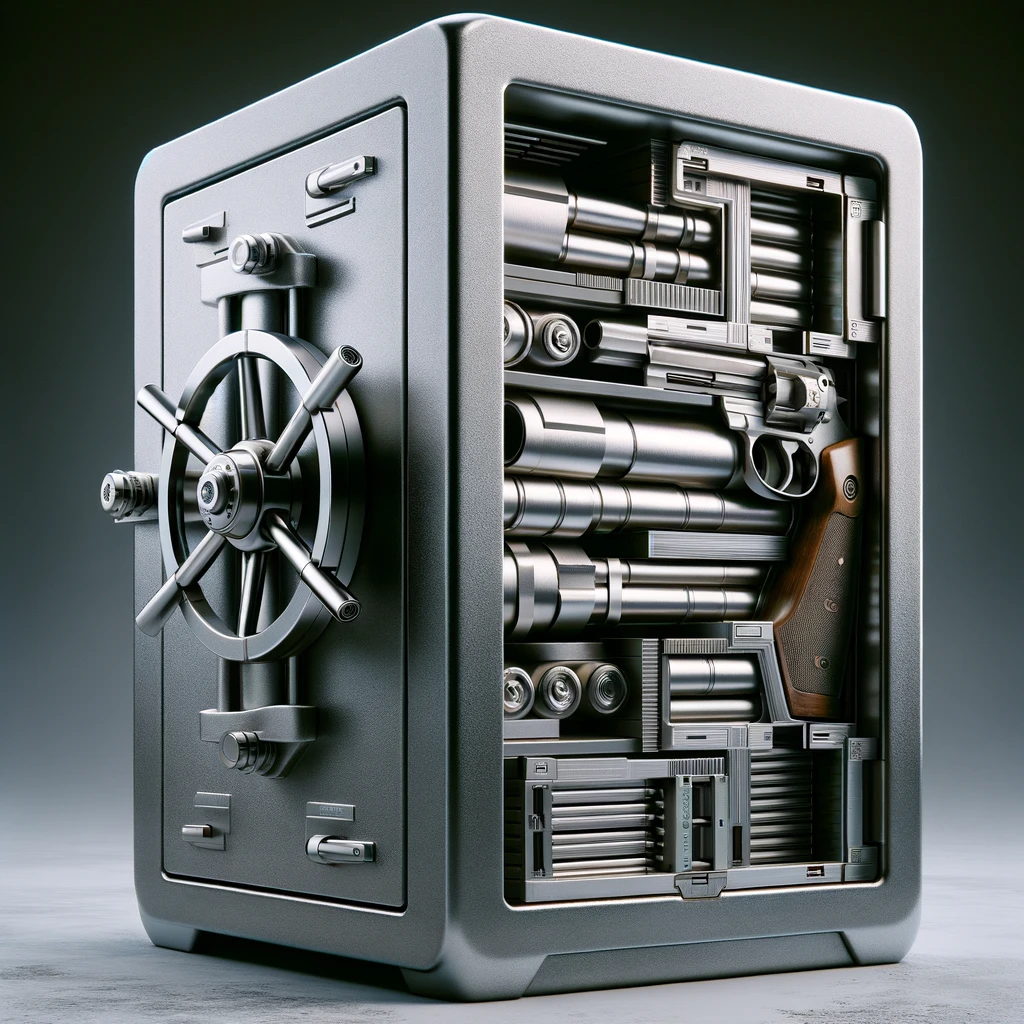
Choosing the right gun safe requires understanding the significance of steel gauge. Thicker, quality steel, especially American-made, ensures superior protection and longevity. Be wary of misleading marketing tactics and focus on the actual steel thickness and construction quality to ensure you invest in a safe that genuinely protects your firearms and valuables.
Evaluating Gun Safe Security and Performance Ratings
Understanding the security ratings of gun safes is crucial for making an informed decision. The RSC (Residential Security Container) rating, commonly found on gun safes, indicates a basic level of security. However, this rating may not fully protect against all brute force and power tool attacks. Upgraded gun safes might share the same RSC-I rating despite their higher price, and their actual superiority over basic models may not be objectively verified. It’s important to consider the reputation and history of the manufacturer when evaluating these ratings. Look for companies with a history of manufacturing true safes that meet higher security standards, such as the UL 687 Class TL-15 rating, which signifies a higher resistance to burglary attempts.
The Importance of Welding Quality in Gun Safes
The welding process is critical in safe construction. Properly welded joints are often stronger than the base metal itself. The skill required in welding increases with the thinness of the metal; ensuring full weld penetration without causing burn-through is a meticulous task. Steel’s relatively poor heat transfer properties further complicate the welding process, as localized overheating can weaken the structure. Hence, evaluating the welding quality of a gun safe is as important as assessing the steel gauge used.
Fire Protection in Gun Safes
Fire protection is another vital aspect to consider when purchasing a gun safe. Unfortunately, there’s no standardized testing method across different manufacturers, making it difficult to compare the fire ratings of various safes. Typically, residential fires can reach up to 1,300-degrees Fahrenheit, but are often controlled within an hour. A safe with an internal temperature rating of 350 degrees Fahrenheit for an hour or more is a reasonable benchmark for fire protection.
Gun Safe Lock Options
Modern gun safes offer a variety of lock options, including combination locks, electronic locks, and biometric locks. Each has its advantages and drawbacks. Combination locks are traditional, simple, and reliable, but can be slow to open. Electronic locks provide quicker access and can be integrated with home security systems, but they require power to operate. Biometric locks offer fast and secure access but depend on technology that may not be as reliable in all conditions.
Misleading Marketing Tactics: Steel Thickness and Composition
Be cautious of misleading marketing tactics regarding steel thickness. The advertised thickness may include non-steel layers like gypsum drywall, which do not contribute significantly to the safe’s security. The actual steel thickness is a critical factor in determining the safe’s resilience. Some manufacturers also combine the thicknesses of multiple steel sheets, separated by weaker materials, to inflate the perceived strength. Remember, the higher the gauge number, the thinner the steel. Aim for safes with lower gauge (thicker) steel for better security.
Additional Considerations in Gun Safe Selection
- Placement and Installation: The location and installation of your gun safe can significantly affect its security. Bolt it to the floor and position it to limit access to its sides and top.
- Concrete Amalgamate Linings: Some safes use poured concrete amalgamate linings, offering additional structural support and fire protection. This feature can be a valuable addition, but ensure it does not compromise the safe’s overall integrity.
- Manufacturer’s Reputation: Choose a manufacturer with a long-standing reputation for quality and reliability. Manufacturers that regularly change their product designs or labels might not offer the same level of trustworthiness.
Conclusion
Selecting the right gun safe involves more than just looking at the steel gauge; it requires a comprehensive evaluation of the safe’s construction quality, security ratings, fire protection capabilities, and locking mechanisms. Remember, the best gun safe is one that effectively balances all these aspects to provide the utmost security for your firearms and valuables. Educated choices lead to better protection and peace of mind.