
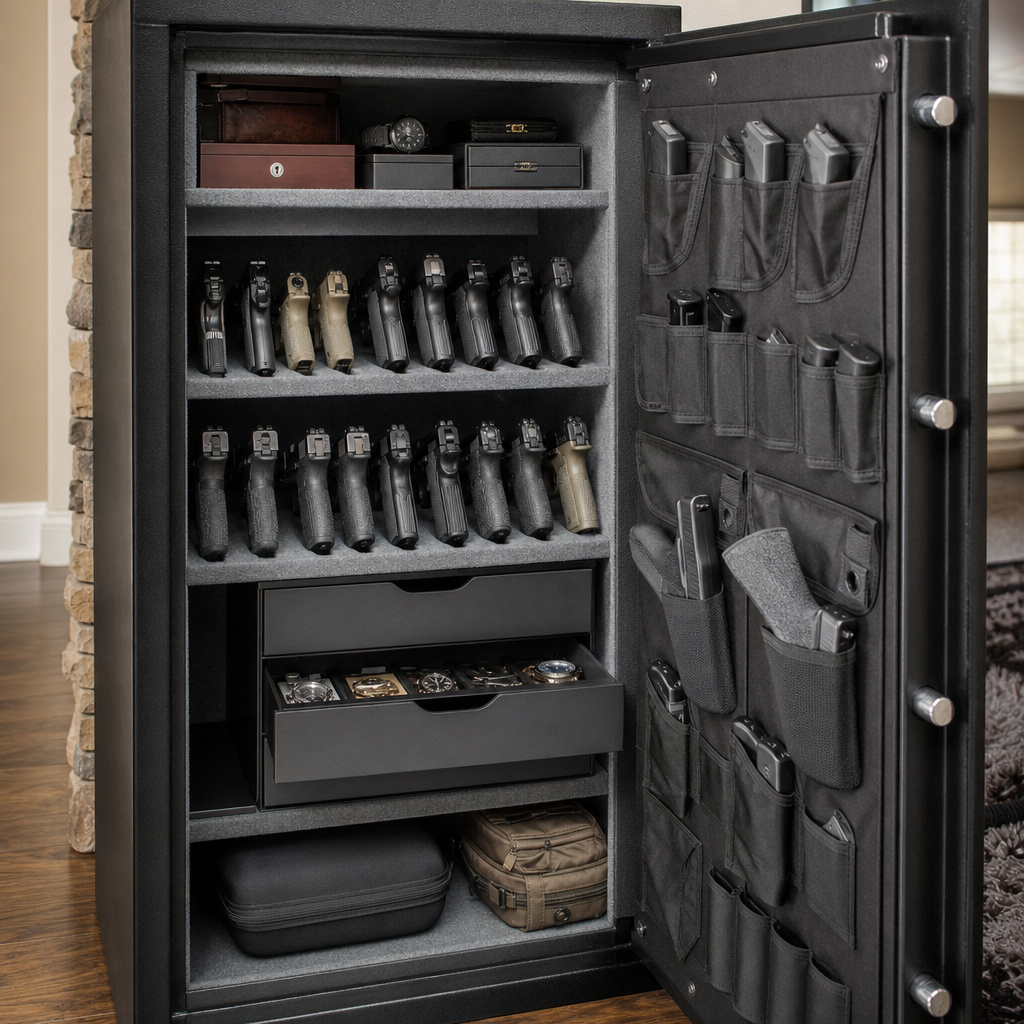
Choosing the best gun safe for multiple handguns starts with a simple truth: pistol owners do not all store firearms for the same reasons, in the same spaces, or under the same legal and security pressures. A person with four range pistols in a suburban home needs something very different from a concealed-carry user who rotates defensive handguns daily, a collector protecting heirloom revolvers, or a parent balancing quick access with strict childproofing. That is why the smartest way to evaluate a gun safe is through buyer personas, practical profiles that connect storage needs, risk tolerance, available space, and budget to the right safe design.
In the gun safes and safety category, a buyer persona is not a marketing gimmick. It is a decision tool. When I have helped handgun owners compare safes, the biggest mistakes usually came from buying by brand reputation alone or by one headline feature such as biometric access. The result was often poor fit: a bedside safe too small for spare magazines, a closet cabinet with weak steel, or a heavy fire safe that was secure but too slow for defensive use. Matching the safe to the owner solves that problem and prevents expensive upgrades later.
For people who own multiple handguns, the core terms matter. Capacity refers to how many pistols the safe can realistically hold with magazines, documents, and accessories, not just the optimistic factory number. Access method means keypad, biometric scanner, mechanical Simplex lock, tubular key, or traditional dial. Construction includes steel thickness, door design, pry resistance, hinge exposure, and anchor points. Environmental protection covers fire resistance, humidity control, and interior lining that will not damage finishes. These features matter because handgun ownership often expands over time. A two-pistol solution can become inadequate within a year.
This hub article explains the major gun safe buyer personas for handgun owners and shows which safe types fit each one best. It covers apartment dwellers, parents, collectors, everyday carriers, budget-focused buyers, and users who need a split between rapid access and long-term protection. Along the way, it addresses common questions: how much safe capacity is enough, whether biometric locks are reliable, what level of steel is worth paying for, and why bolting down even a small pistol safe dramatically improves security. Use this guide as the starting point for every handgun-safe decision in this subtopic.
The bedside defender: rapid access without sacrificing basic security
The bedside defender owns several handguns but keeps one primary pistol staged for emergency access. This buyer usually values opening speed, low-light usability, silent entry, and a form factor that fits on or inside a nightstand. The correct solution is rarely a large upright safe. It is usually a dedicated quick-access handgun safe paired with secondary storage elsewhere for the rest of the collection. That distinction is important because a single product rarely excels at both instant access and deep storage.
For this persona, the best gun safe choices are compact units with a mechanical pushbutton lock, a high-quality electronic keypad, or a proven biometric system with backup entry. In practice, I have seen mechanical Simplex-style locks remain the benchmark for reliability because they need no batteries and can be opened by touch. Good electronic models from brands such as Fort Knox, V-Line, Vaultek, and Hornady can also work well, especially if they allow code changes, tamper alerts, and interior lighting. Biometric access is convenient, but fingerprint readers vary widely. Capacitive scanners are generally better than older strip readers, and every owner should enroll multiple fingers from both hands.
The tradeoff is clear: a bedside safe is usually optimized for one to two handguns, not six or eight. If someone owns multiple pistols, this persona should think in layers. Store the defensive handgun in the quick-access unit and place the rest in a larger anchored safe. That approach preserves speed without leaving every firearm vulnerable to theft. It also reduces administrative handling, since the owner does not need to rearrange several pistols every night to access the one gun that matters most in an emergency.
The family safety buyer: child resistance, accountability, and controlled access
The family safety buyer is typically the most careful evaluator because the storage decision affects children, visitors, caregivers, and sometimes older relatives in the home. For this persona, the best handgun safe is one that creates strong barriers against unauthorized access while still letting the lawful owner retrieve a firearm under stress. The standard here is not just convenience. It is controlled access, predictable operation, and the ability to document where every handgun is stored.
For multiple handguns, this buyer often benefits from a medium-capacity safe with shelves or pistol racks, not a single compact lockbox. Interior organization matters because loose pistols piled together slow retrieval and increase the chance of negligent handling. A well-designed interior should separate firearms, magazines, passports, and medication if they are stored together, although many experts recommend keeping firearms distinct from household valuables. Parents also do better with locks that resist casual observation. Keyed lockboxes can be defeated if the key is found; cheap biometric safes can fail under sweaty or hurried use. A quality keypad or mechanical lock tends to be the most predictable choice.
Anchoring is essential for this persona. The California Department of Justice roster and ASTM-focused youth safety discussions have shaped expectations around gun-storage products, but real-world security still depends heavily on installation. A 40-pound safe that is not bolted down can be carried away and opened later. I routinely advise buyers with children to treat anchoring as mandatory, whether the safe sits in a closet, on a shelf, or under furniture. Add a dehumidifier or desiccant if the safe is placed in a basement or garage.
The apartment owner: compact footprint, theft resistance, and discreet placement
Apartment residents and renters usually face two constraints: limited space and limited control over installation. They may not want a large visible safe, and they may be restricted from major floor modifications. That does not mean they must settle for weak security. The right approach is to prioritize a compact, heavy handgun safe with internal organization and approved anchor options into wood furniture, wall studs, or other permitted structures.
For this persona, under-bed safes and vertical closet safes are often better than small drawer boxes. An under-bed format can store several pistols, magazines, and documents while staying out of sight. A vertical safe with pistol hangers can fit in a coat closet and preserve usable apartment space. Steel thickness and door design matter more here than exterior glamour. Look for continuous welds, recessed doors, anti-pry features, and solid locking bolts. Thin imported cabinets with attractive paint but weak gauge steel are common disappointments in this segment.
Discretion is another major factor. Delivery, installation, and visible branding can reveal what is inside. Renters should prefer plain packaging when possible and place the safe where contractors or guests will not casually notice it. Because apartment thefts are often opportunistic and time-limited, even a modest safe that is well hidden and properly anchored can dramatically reduce risk. For someone owning multiple handguns in a rental, this is often the most practical path: medium size, good steel, low visibility, and no wasted footprint.
The collector and enthusiast: finish protection, capacity planning, and documentation
The collector persona usually outgrows entry-level handgun safes fastest. This buyer may own classic Smith & Wesson revolvers, tuned 1911s, discontinued SIG Sauer pistols, or commemorative handguns with collector value beyond replacement cost. Security still matters, but finish protection, humidity control, and expansion capacity become equally important. The wrong foam, crowded shelves, or unstable humidity can damage blueing, wood grips, and presentation cases over time.
Collectors should lean toward larger safes or modular cabinets with dedicated pistol racks, soft interior materials, and room for records. If suppressors, optics, or boxed accessories are involved, the real capacity requirement may be double the number of handguns owned. Documentation is part of the safe strategy for this persona. Keep serial numbers, purchase records, appraisal notes, and photographs in a protected compartment or a separate fire-rated container. Insurance claims are far easier when records are complete and current.
Fire protection deserves nuance. Many safe fire ratings are based on proprietary tests rather than UL 72, and drywall-based insulation can release moisture during a fire event. That does not make these safes useless, but it means buyers should read the rating carefully and compare duration, temperature, and test method. For collectors, the best answer is often layered: a substantial burglary-rated or robust residential security container for the guns, plus climate control and off-site digital records. Preservation is not one feature. It is a system.
The practical value buyer: best performance per dollar
Not every owner wants premium branding or app connectivity. The practical value buyer wants the best gun safe for multiple handguns at a sensible price and is willing to skip cosmetic extras. This persona often includes first-time safe buyers who recently expanded from one pistol to several and need a solution that is clearly better than a locking case but still affordable.
| Buyer persona | Best safe type | Main priority | Common mistake |
|---|---|---|---|
| Bedside defender | Quick-access pistol safe | Speed under stress | Using one tiny safe for the whole collection |
| Family safety buyer | Anchored medium-capacity safe | Controlled authorized access | Ignoring interior organization and anchoring |
| Apartment owner | Under-bed or closet safe | Compact security | Buying thin steel cabinets |
| Collector | Larger climate-conscious safe | Protection and growth | Underestimating accessory and record space |
| Value buyer | Simple keypad or mechanical model | Cost-effective security | Paying for weak biometrics and gimmicks |
In this segment, the best values usually come from heavier steel, straightforward lock systems, and clean interior layouts. Paying for Bluetooth features makes little sense if the door flexes under pry pressure. A practical buyer should compare body steel gauge, lock reputation, bolt pattern, anchor hardware, and warranty support before considering cosmetic finish. Some of the best-performing models in this category are plain, heavy, and unglamorous, which is exactly the point.
This persona should also think ahead. If you own four handguns today and train regularly, buy for eight. Capacity claims are often optimistic, especially once you add spare magazines, ear protection, passports, and cash. Spending slightly more once is cheaper than replacing an undersized safe in eighteen months. Value is not the lowest sticker price. Value is the longest useful life per dollar spent.
The split-storage owner: combining fast access with serious protection
One of the most common and effective buyer personas is the split-storage owner, someone who keeps one handgun available for defense and secures the remaining pistols in a larger safe. In my experience, this is the best overall arrangement for many households with multiple handguns because it solves the central conflict in handgun storage. Fast access and high-capacity protection are different jobs, so they should be handled by different safes.
A typical setup might use a bedside simplex or keypad safe for the carry pistol, then an anchored closet safe or full-size residential security container for range pistols, backups, and collectible pieces. This arrangement reduces wear from repeated handling, keeps the daily-use firearm consistent, and limits exposure of the full collection. It also helps with training. The owner practices one access method for emergency use while maintaining stricter storage standards for everything else.
The split-storage model works especially well for households with mixed needs, such as parents who also shoot competitively or collectors who carry daily. It is not redundant. It is task-specific. If you are unsure which buyer persona fits you best, this is usually the safest default recommendation because it balances readiness, theft resistance, and scalability better than any one-safe solution on the market today.
The best gun safe choices for people who own multiple handguns become much clearer when you stop shopping by feature list and start shopping by buyer persona. The bedside defender needs speed and tactile reliability. The family safety buyer needs controlled access, organization, and anchoring. The apartment owner needs compact, discreet theft resistance. The collector needs preservation, documentation, and expansion room. The value buyer needs steel, lock quality, and honest capacity. Many owners ultimately benefit most from split storage, using one quick-access safe and one larger anchored unit.
Across every persona, the same principles hold. Real capacity matters more than marketing numbers. Anchoring changes the security equation. Lock quality beats novelty. Interior layout affects daily safety as much as exterior steel. Fire ratings deserve scrutiny, and humidity control is essential for long-term handgun storage. Most importantly, the best safe is the one that fits your actual household, not an imagined ideal user.
Use this hub as your starting point for the broader gun safe buyer persona topic, then narrow your decision based on how you live, where you store, and how quickly you need access. If you own multiple handguns, choose for both today’s needs and tomorrow’s collection growth, and make secure installation part of the purchase from day one.
Frequently Asked Questions
What size gun safe is best for someone who owns multiple handguns?
The right size depends less on the number of pistols you own today and more on how you actually store, access, and plan to grow your collection over time. Many handgun owners underestimate how quickly a safe fills up once they add spare magazines, holsters, important documents, ammunition stored separately, optics, cleaning supplies, and foam or rack systems designed to keep pistols organized. If you currently own four to six handguns, a compact handgun vault may work in the short term, but a larger dedicated pistol safe or a modular safe with adjustable shelving is often the smarter long-term choice.
For people with multiple handguns, interior layout matters just as much as exterior dimensions. A safe that technically fits eight pistols can still be frustrating if the shelves are cramped, the door bins are poorly designed, or the handguns end up stacked on top of one another. Look for models with pistol racks, adjustable shelves, door organizers, and enough vertical clearance for handguns with lights, red dot sights, or taller iron sights. If you rotate carry guns regularly, you also want a layout that lets you reach the defensive handgun you need without moving several others first.
As a practical rule, buy more capacity than you think you need. If a manufacturer says a safe holds ten handguns, that number is usually based on very efficient packing with minimal accessories. In real-world use, comfortable storage may be closer to six or seven pistols depending on configuration. Choosing a safe with extra room gives you better organization, easier access, and less risk of cosmetic wear from firearms rubbing together.
What features matter most when choosing a safe for several handguns instead of just one or two?
When storing multiple handguns, the most important features are security, access speed, interior organization, and build quality. Security starts with the safe’s construction: solid steel body panels, a reinforced door, pry-resistant design, quality locking bolts, and a lock that has a strong reputation for reliability. A thin, lightweight box may be acceptable for basic deterrence, but if you are protecting several valuable pistols, especially collectible or defensive firearms, stronger materials and a more serious anti-theft design are worth the investment.
Access method is also critical. Biometric locks can be useful for quick entry, especially for owners who keep one or more handguns ready for home defense, but they should not be the only factor in your decision. The best safes pair biometric entry with a keypad or backup key so you are not relying on a single technology. Electronic keypad locks are popular because they balance speed and convenience, while mechanical locks can appeal to owners who prioritize simplicity and long-term durability over rapid access.
Inside the safe, organization is what separates a good purchase from a frustrating one. Multiple handguns need dedicated space, not just an empty metal box. Look for adjustable shelves, pistol stands, labeled sections, soft-lined interiors, and door-mounted storage that keeps magazines and accessories from cluttering the main compartment. Also pay attention to mounting options. A well-built handgun safe bolted to the floor, wall, or heavy furniture is much more secure than one that can be carried away. For owners with children, the best safe is one that combines true quick access for authorized adults with strong child resistance, tamper alerts if available, and dependable locking performance every single time.
Is a quick-access handgun safe still a good choice if I own several pistols?
Yes, but only if your storage goals match the safe’s design. A quick-access safe is ideal for the handgun or two you may need in an emergency, especially for concealed-carry users or homeowners who want a defensive pistol available while keeping it inaccessible to children, guests, or unauthorized users. However, once you own several handguns, a single quick-access unit may not be enough as your primary storage solution. Most are designed around speed first, not maximum capacity, theft resistance, or careful organization of an entire collection.
For many owners, the best answer is a two-safe approach. Keep one quick-access safe for your current defensive handgun and use a larger, more secure safe for the rest of your pistols. This setup works especially well for people who rotate carry guns, own range pistols, or want separate storage for heirloom revolvers and less frequently accessed firearms. It allows you to maintain fast entry where it matters most without overcrowding the safe you depend on during high-stress moments.
If you do want one quick-access safe for multiple handguns, choose carefully. Some larger biometric or keypad handgun safes can store several pistols while still opening quickly, but capacity claims can be misleading. Make sure the safe allows clean retrieval of one handgun without disturbing the others. Check whether it accommodates mounted weapon lights, optics, and spare magazines. Most important, read reliability reviews from real users. Fast access is valuable only if the lock performs consistently under pressure and the interior layout supports the way you actually use your firearms.
How important are fire protection and humidity control for a handgun safe?
They are very important, especially if you own more than one handgun and intend to store them for long periods. While theft prevention and child safety usually get the most attention, environmental protection is a major part of preserving firearm condition and long-term value. Moisture is one of the biggest threats inside any safe, particularly in basements, garages, humid climates, or homes with seasonal temperature swings. Even modern handguns with durable finishes can develop rust or corrosion over time if the environment is not controlled properly.
Humidity control can be handled with desiccant packs, rechargeable moisture absorbers, or electric dehumidifier rods depending on the safe’s size and where it is installed. This matters even more for collections that include blued steel pistols, collectible revolvers, older heirloom firearms, or handguns stored in soft cases that can trap moisture. A well-organized safe with airflow and routine maintenance helps protect not just the firearms themselves, but also magazines, optics, grips, and paperwork.
Fire protection is also worth considering, though the level you need depends on your risk profile and budget. Not every handgun safe offers meaningful fire resistance, and some compact bedside vaults offer little to none. If you are storing several valuable pistols, records, serial number documentation, or family firearms with sentimental value, a larger safe with tested fire ratings can add an important layer of protection. Just remember that fire ratings vary widely, and higher-rated safes are typically heavier and more expensive. For many handgun owners, the best balance is a secure safe in a climate-conscious indoor location, paired with humidity control and enough fire protection to match the value of what is being stored.
Should handgun owners choose one larger safe or several smaller safes?
That depends on how many handguns you own, who needs access, and whether your main priorities are speed, compartmentalization, or maximum security. One larger safe is often the most cost-effective choice for people with several pistols because it usually offers better organization, stronger theft resistance for the price, and room to expand. It also keeps the collection centralized, which can make inventory management, maintenance, and legal compliance easier. If your handguns include a mix of range guns, carry pistols, and collectibles, a larger safe with adjustable interior storage is often the most versatile solution.
Several smaller safes can make sense in households with different access needs or storage zones. For example, a parent may want a primary safe in a secure room plus a smaller quick-access unit in the bedroom. A concealed-carry user may keep the daily defensive handgun in a bedside vault while storing backup or recreational pistols elsewhere. Multiple safes can also help separate categories of firearms, such as keeping heirloom revolvers in a lower-traffic, better-controlled safe while frequently used defensive pistols remain more accessible.
The tradeoff is that more safes can mean more complexity, more lock maintenance, and sometimes lower overall theft resistance if the smaller units are not anchored properly. In general, if your goal is to protect multiple handguns efficiently and you have the space, one high-quality larger safe plus one dedicated quick-access safe is often the strongest overall setup. It gives you secure centralized storage for the collection and practical access for the handgun you may need most urgently.