
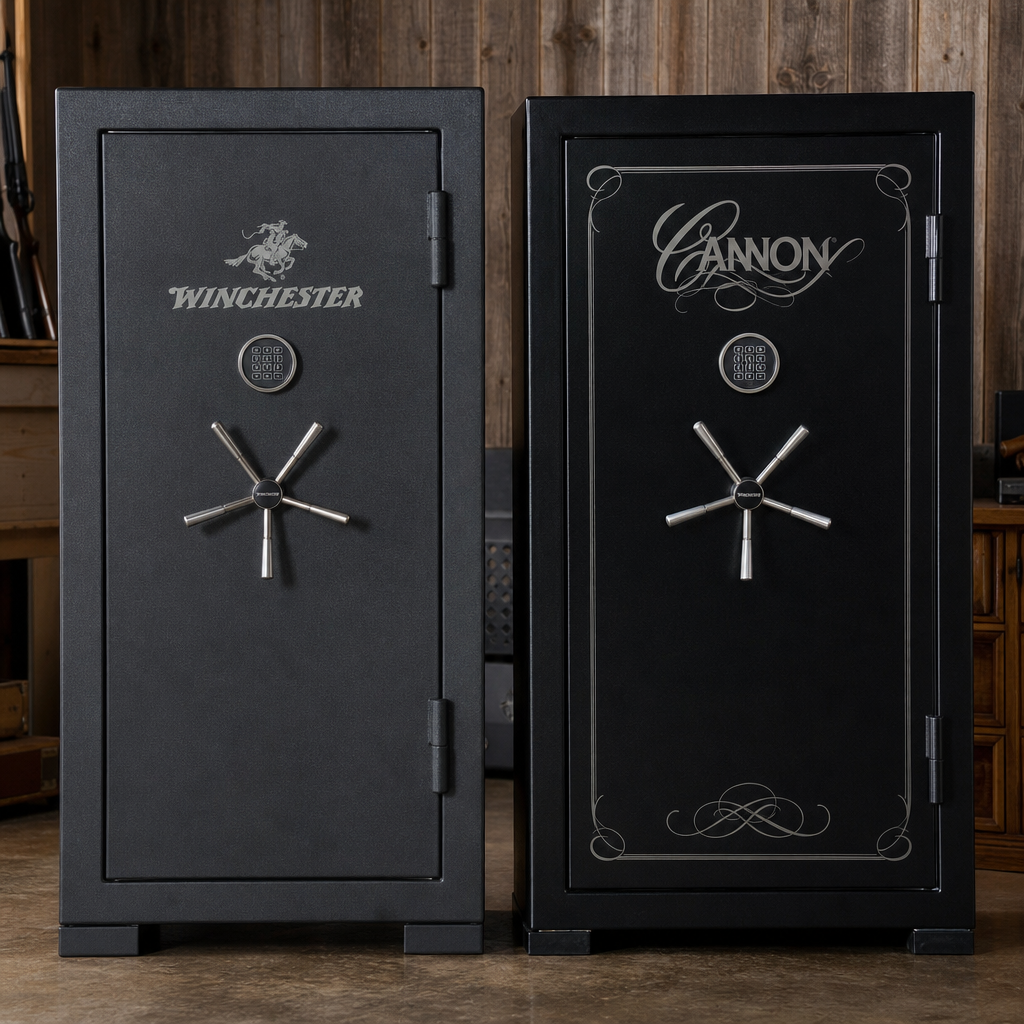
Choosing between Winchester and Cannon gun safes comes down to one question: which brand is more reliable for the way you store, access, and protect firearms. Reliability in a gun safe is not a single feature. It includes lock consistency, steel construction, fire protection, door and bolt design, interior usability, warranty support, and the likelihood that the safe performs as expected after years of daily use. In the gun safe market, Winchester and Cannon are two widely recognized names sold through major retailers, farm supply stores, sporting goods chains, and local safe dealers, which makes this comparison especially important for buyers building a practical home security plan.
As the hub for gun safe comparisons and brand spotlights, this guide explains how these brands differ, where they overlap, and what type of owner each one tends to serve best. I have walked buyers through both lines in retail settings and during home safe evaluations, and the same pattern appears repeatedly: people focus first on capacity numbers and paint finish, then later discover that lock type, body thickness, door organization, and warranty responsiveness matter far more. A 36-gun label does not mean 36 scoped rifles fit comfortably, and an impressive fire rating on a sales tag means little if the layout, boltwork, or service network does not match the household’s needs. That is why a head-to-head reliability comparison matters.
Before comparing them directly, define the key terms. Burglary resistance refers to how well the safe delays forced entry using pry attacks, cutting attempts, lock punching, or brute force on the door and frame. Fire protection refers to how long internal temperatures stay below thresholds that damage paper, wood stocks, optics adhesives, electronics, and some ammunition packaging. Lock reliability means how consistently the electronic keypad or mechanical dial opens under normal use, after battery changes, and after years of operation. Long-term ownership reliability also includes hinge durability, shelving stability, dehumidification compatibility, and whether replacement parts are realistically available. Those are the standards serious buyers should use, not just logo familiarity.
Winchester and Cannon both target mainstream residential gun owners, but they approach value differently. Winchester safes are commonly associated with broad retail availability, familiar branding, and a range that spans entry-level to upgraded models. Cannon emphasizes layered security features, interior flexibility, and a strong consumer-facing warranty message. Neither brand is automatically “better” in every category. The more accurate answer is that reliability depends on model tier, expected threat level, and whether the safe is being used as a child-access barrier, a theft-delay container, a fire buffer, or all three. Understanding those roles will help you choose a safe that performs reliably in real conditions rather than just looking impressive on a showroom floor.
How to judge gun safe reliability before comparing brands
The most reliable gun safe is the one that matches your risk profile and keeps working without surprises. Start with construction. Many residential gun safes use formed steel bodies with thicker door plates than side walls because the door is the primary attack point. Gauge numbers can be misleading if buyers do not remember that lower gauge means thicker steel. For example, 12-gauge steel is thicker than 14-gauge, and that difference affects pry resistance. Door gap, frame reinforcement, continuous weld quality, relocker design, and hard plate protection over the lock body often matter as much as headline steel thickness.
Locks deserve extra scrutiny because lock failure is one of the most common reasons owners call for service. Electronic locks are fast and convenient, especially for frequent access, but keypad quality, battery condition, and internal lock brand matter. Mechanical dials are slower yet often preferred for long-term simplicity. In my experience, most reliability complaints in the residential category are not catastrophic body failures. They are keypad errors, solenoid issues, handle linkage problems, or user frustration caused by cramped layouts. That is why a meaningful Winchester versus Cannon comparison has to include operational reliability, not just attack resistance.
Fire ratings should also be read carefully. Brands may cite minutes at a given external temperature, but testing methods are not always identical across the industry. Buyers should look for details on door seals, drywall or composite insulation layers, and whether the rating appears tied to an independent test standard or an internal benchmark. A safe placed in a garage against an exterior wall faces different moisture swings and fire conditions than one anchored inside a climate-controlled closet. Reliability is partly about the safe itself and partly about proper installation, bolting, humidity management, and realistic expectations.
Winchester gun safes: where they are strong and where buyers should look closer
Winchester safes appeal to many first-time and mid-level buyers because the line is easy to find and usually offers visually attractive models with practical interiors. In stores, Winchester often wins attention with organized door panels, accessory storage, and broad capacity options. For households that want a recognizable brand, enough room for long guns and documents, and straightforward electronic access, Winchester can be a sensible fit. Many models are designed to hit a price point while still offering multiple locking bolts, upholstered interiors, and fireboard insulation that satisfies mainstream residential expectations.
Where Winchester tends to perform well is balancing convenience and feature visibility. The shelving systems are usually intuitive, many interiors convert between rifle and mixed storage, and the branding is familiar enough that buyers feel comfortable with the purchase. If the safe’s main job is to keep firearms inaccessible to children, resist quick smash-and-grab theft, and organize a collection better than a cabinet can, Winchester often covers those goals. For owners with hunting rifles, shotguns, handguns, and paperwork, this practical versatility is a real reliability advantage because an organized safe gets used correctly and consistently.
Buyers should still examine Winchester models individually. Construction can vary meaningfully across tiers, especially when one model is sold as an entry-level warehouse club offering and another is sold through a specialty retailer with upgraded steel, better fire lining, or a different lock package. Capacity claims should be discounted heavily if most rifles wear scopes, bipods, slings, or larger bolt handles. I generally advise clients to assume real usable capacity is closer to half to two-thirds of the stated long-gun number if they want fast access without stock damage. That advice applies to Winchester in particular because some models prioritize shelf and door storage that reduces open rifle space.
Cannon gun safes: what stands out in daily ownership and security design
Cannon has built a strong reputation in the residential safe category by emphasizing protective layers and consumer-friendly ownership features. Depending on the series, buyers may see claims around reinforced door structures, active locking bolts on multiple sides, and internal layouts that support both firearm and household valuables storage. In practical terms, Cannon often attracts buyers who want a little more emphasis on security engineering and warranty reassurance without moving immediately into much heavier premium safes from higher-priced specialty brands.
One area where Cannon often makes a good impression is usability over time. Adjustable interiors, door-mounted organizers, and lighting or power options on some models make the safe easier to live with, which matters more than many buyers expect. A safe that is difficult to arrange becomes cluttered, and clutter leads to bumped optics, inefficient access, and more time with the door open. Cannon usually understands this well. For families storing pistols, passports, jewelry, suppressor paperwork, and several scoped long guns in one place, that flexibility supports real-world reliability because the safe remains functional as the collection changes.
Cannon buyers should apply the same caution as Winchester buyers: brand reputation does not erase model differences. Some Cannon safes are clearly aimed at value shoppers, while others push into better construction and higher feature sets. Look closely at lock origin, bolt diameter claims, internal hinge versus external hinge implications, and whether the body steel aligns with the theft risk at your location. In a low-crime suburban environment, a mid-tier Cannon may be completely appropriate. In a rural property where response times are long and the safe sits in a detached outbuilding, a lighter residential unit from any mass-market brand may be insufficient regardless of the badge.
Side-by-side reliability comparison: construction, locks, fire protection, and support
When buyers ask me for a direct answer, I compare Winchester and Cannon across the categories that most affect ownership outcomes: body strength, lock reliability, fire credibility, organization, and after-sale support. On average, Cannon often feels slightly more focused on layered security messaging and configurable interiors, while Winchester often competes strongly on broad retail value and familiar feature packaging. That said, the winning brand changes by series. A better-equipped Winchester can be more reliable than an entry Cannon, and the reverse is equally true.
| Category | Winchester | Cannon | Reliability takeaway |
|---|---|---|---|
| Retail availability | Very broad through sporting goods and farm retailers | Broad through major retailers and dealers | Both are easy to source, compare, and service in many regions |
| Interior flexibility | Usually strong, especially for mixed firearm storage | Often excellent, with adjustable layouts and door organizers | Cannon often has a slight edge for evolving collections |
| Security construction | Varies notably by model tier | Varies notably by model tier | Read steel gauge, door design, and lock protection on each model |
| Lock experience | Convenient electronic options are common | Convenient electronic options are common | Actual lock brand and service access matter more than logo |
| Fire protection marketing | Competitive ratings on many models | Competitive ratings on many models | Compare test details, seals, and installation environment carefully |
| Warranty perception | Generally solid but model and retailer experience matters | Often highlighted as a selling point | Cannon frequently wins on buyer confidence, though claim handling still matters |
For lock reliability, neither brand gets a universal pass simply because it uses an electronic keypad. Look for established lock suppliers such as Sargent and Greenleaf or SecuRam when specifications are available, and ask whether the lock is a proven platform or a private-label component with less visible support. For fire protection, compare the thickness and arrangement of insulation, not only the minutes printed on the tag. For support, ask a practical question: if the keypad fails in three years, who answers the phone, who authorizes parts, and how quickly can a qualified technician help in your ZIP code. That question separates brochure reliability from ownership reliability.
Who should buy Winchester, who should buy Cannon, and when to look beyond both
Choose Winchester if you want a recognizable, widely available safe with accessible pricing, straightforward organization, and enough variation in the lineup to match a basic to moderate home-security need. Winchester is often a strong fit for first-time gun safe buyers, hunters with several long guns, and families upgrading from a locking cabinet. If you can inspect the model in person, confirm the steel and lock details, and size up one tier above your initial budget target, Winchester can be reliably satisfactory for many households.
Choose Cannon if your priority is a flexible interior, a stronger emphasis on layered residential security features, and confidence in a warranty-forward buying experience. Cannon often fits collectors with mixed storage needs and buyers who expect the safe to hold firearms plus documents, cash, heirlooms, and handguns in organized zones. If daily access, modular shelving, and door storage matter, Cannon frequently has an edge in owner convenience, and convenience supports reliability because the safe remains orderly and easy to use.
Look beyond both brands if you need a true high-security safe, substantially thicker steel, a UL-listed burglary rating, or a serious safe for high-value collections in elevated-risk environments. That may include owners with NFA items, expensive optics, rare firearms, or isolated properties where thieves have time and privacy. In those cases, heavier safes from specialty manufacturers, professional delivery, and anchored placement in a hardened interior location are smarter than relying on any mainstream residential model alone. The right decision is not about loyalty to Winchester or Cannon. It is about buying enough safe for the actual threat.
So which safe is more reliable: Winchester or Cannon. For most buyers, Cannon has a slight edge in perceived long-term reliability because of its interior flexibility, security-focused design language, and strong warranty positioning. Winchester remains highly competitive, especially when a buyer selects a better model tier and prioritizes practical storage, local availability, and value. The gap is not dramatic, and it should never be judged by brand name alone. Model specifications, lock quality, steel thickness, usable capacity, and installation conditions decide the real outcome.
The most important takeaway is simple. Reliability starts with honest use-case planning. Count your actual scoped rifles, estimate future growth, identify your burglary risk, and decide whether fire protection or access speed matters more. Then compare specific Winchester and Cannon models line by line. If possible, see the safes in person, work the handle, inspect the door gap, ask about lock brand, and verify delivery and bolting options. Those steps prevent most buyer regret.
As a hub for gun safe comparisons and brand spotlights, this guide should point you toward the next step, not a rushed purchase. Use it to shortlist the right size and protection level, then compare exact models within your budget. A reliable gun safe protects firearms, supports responsible storage, and reduces avoidable risk in the home. Start with the brand that fits your needs, but finish by verifying the details that actually determine performance.
Frequently Asked Questions
1. Which brand is generally considered more reliable: Winchester or Cannon?
There is no universal winner in every situation because reliability depends on how the safe will be used, where it will be installed, and which features matter most to the owner. In general, reliability in a gun safe means more than whether the door opens every time. It includes how consistently the lock functions, how solid the body and door feel over time, how well the safe resists heat and smoke, how durable the hinges and boltwork are, and whether the interior remains practical for daily access without creating wear points or frustration.
Winchester is often viewed as a strong option for buyers who want recognizable branding, broad retail availability, and a feature set that feels balanced across security, fire protection, and storage capacity. Cannon, on the other hand, is frequently praised for user-friendly interiors, practical access design, and certain models that offer strong feature value for the price. If you define reliability as long-term mechanical consistency and straightforward everyday use, either brand can be dependable in the right model range. If you define it as maximum resistance to physical attack or higher-end construction details, the specific series matters more than the badge on the door.
The most accurate answer is that reliability should be judged model by model, not brand by brand alone. Entry-level safes from either manufacturer may prioritize affordability over heavier steel or more advanced locking systems, while upper-tier models are often better equipped for years of regular use. Buyers should compare lock reputation, steel thickness, fire rating method, bolt design, fit and finish, and warranty responsiveness before deciding which brand is truly more reliable for their needs.
2. What features matter most when comparing the reliability of Winchester and Cannon gun safes?
The most important reliability features are the lock, steel construction, fire protection system, door and boltwork design, and long-term usability. The lock is critical because it is the part you rely on every single time you access the safe. An electronic lock should be responsive, consistent, and backed by a solid service network, while a mechanical lock may appeal to owners who want a simpler, time-tested design with fewer electronic components. When comparing Winchester and Cannon, it is worth checking not only the lock type but also the lock manufacturer, replacement support, and how easy the system is to operate under stress.
Steel thickness and overall construction are equally important. A safe that feels secure on paper but uses thinner steel or less rigid door construction may not inspire confidence after years of use. Heavier bodies, stronger door edges, robust internal hinges or well-supported external hinges, and clean alignment all contribute to reliability. Boltwork should move smoothly, engage fully, and remain consistent without excessive play. If the handle feels sloppy or the door requires force to latch correctly, that can be a warning sign of long-term wear or lower manufacturing precision.
Fire protection should also be evaluated carefully. Published fire ratings can vary depending on testing standards, temperature thresholds, and test duration, so reliability here means understanding what the rating actually represents. A safe may advertise impressive numbers, but true reliability comes from door seals, insulation quality, and the overall integrity of the body during a fire event. Finally, interior usability matters more than many people expect. A reliable safe should allow you to store firearms without awkward stacking, pressure on optics, or constant rearranging. If the interior is frustrating, owners are more likely to misuse the safe or leave items unsecured, which undermines the real-world reliability of the purchase.
3. Are Winchester or Cannon safes better for long-term daily use?
For daily use, the better choice is usually the one that combines consistent lock performance, a door that opens and closes smoothly, and an interior layout that supports your firearm collection without crowding. Both Winchester and Cannon offer models that can work well for frequent access, but daily use reveals weaknesses that may not be obvious in a showroom. Over time, small issues like stiff handles, poor shelf flexibility, cramped long-gun spacing, or a finicky keypad become much more important than advertised capacity or decorative finish.
Many buyers find that Cannon models emphasize convenience and accessibility, which can be an advantage for regular use. Adjustable shelving, practical door storage, and interiors designed for modern scoped rifles can make a noticeable difference. Winchester models can also be very effective for everyday access, particularly when the interior configuration matches the owner’s specific needs and the locking mechanism has a solid track record. The real question is not just whether the safe opens daily, but whether it does so without becoming inconvenient, inconsistent, or harder to organize over time.
If you expect frequent use, it is wise to prioritize a proven lock system, quality fit around the door, and enough internal room to avoid overpacking. It is also smart to choose a safe larger than your current collection requires. Both brands, like many in the gun safe market, may list capacity figures that are optimistic under ideal conditions. In real-world ownership, a safe that is too small can feel unreliable simply because it becomes difficult to use properly. For long-term daily use, the most reliable safe is the one that remains easy to access, easy to organize, and mechanically consistent year after year.
4. How important is warranty and customer support when judging reliability between Winchester and Cannon?
Warranty coverage and customer support are major parts of reliability because a safe is a long-term product, not a short-term purchase. Even well-built safes can eventually need lock service, adjustment, parts replacement, or help after a fire or attempted break-in. A brand’s willingness and ability to respond matters almost as much as the original build quality. If one manufacturer offers clearer warranty terms, faster communication, and easier access to replacement parts or locksmith support, that can make ownership far more dependable over time.
When comparing Winchester and Cannon, buyers should look beyond marketing phrases like “limited lifetime warranty” and read the actual conditions. Important questions include whether the warranty covers the lock, fire damage, attempted burglary, shipping, labor, and technician service. It is also worth checking whether support is handled directly by the manufacturer or through the retailer, since that can affect response times and the owner’s overall experience. A safe may seem reliable at purchase, but if support is difficult to reach when a problem arises, the ownership experience can quickly become frustrating.
Customer support is especially important for electronic lock users. If a keypad fails, batteries corrode, or the lock starts behaving inconsistently, getting prompt and competent assistance is essential. Reviews and owner feedback can help reveal whether a company stands behind its safes in a practical way. In many cases, the difference between a reliable and unreliable brand is not just the number of problems reported, but how effectively those problems are resolved. That is why warranty quality should be treated as a core part of reliability, not an afterthought.
5. How should buyers choose between Winchester and Cannon if they want the most reliable safe for their home?
The best approach is to match the safe to your actual risks and habits rather than trying to choose a “best brand” in the abstract. Start by identifying what reliability means in your home. If your priority is frequent access, focus on lock consistency, ergonomic handle action, and an interior layout that works for your firearms and accessories. If your priority is long-term protection against theft attempts, pay close attention to steel thickness, door construction, bolt engagement, overall weight, and whether the safe can be properly anchored. If fire protection is your biggest concern, compare the details behind the fire rating rather than relying only on headline numbers.
It is also important to compare safes within the same class. A mid-range Winchester should be compared to a mid-range Cannon, not to an entry-level or premium model from the other brand. Look for independent owner experiences, inspect door fit and handle movement in person if possible, and ask about the lock brand and service options. A heavier safe with a better lock and stronger internal layout will usually be the more reliable choice, regardless of whether the logo says Winchester or Cannon.
Finally, think about installation and long-term use. Even a good safe becomes less reliable if it is placed in a humid area without climate control, left unanchored, or packed beyond realistic capacity. The most reliable choice for your home is the one that fits your space, your firearm collection, your access habits, and your security expectations without compromise. For many buyers, that means choosing the specific Winchester or Cannon model with the best balance of construction quality, fire protection, lock dependability, and support after the sale—not simply choosing the better-known name.