
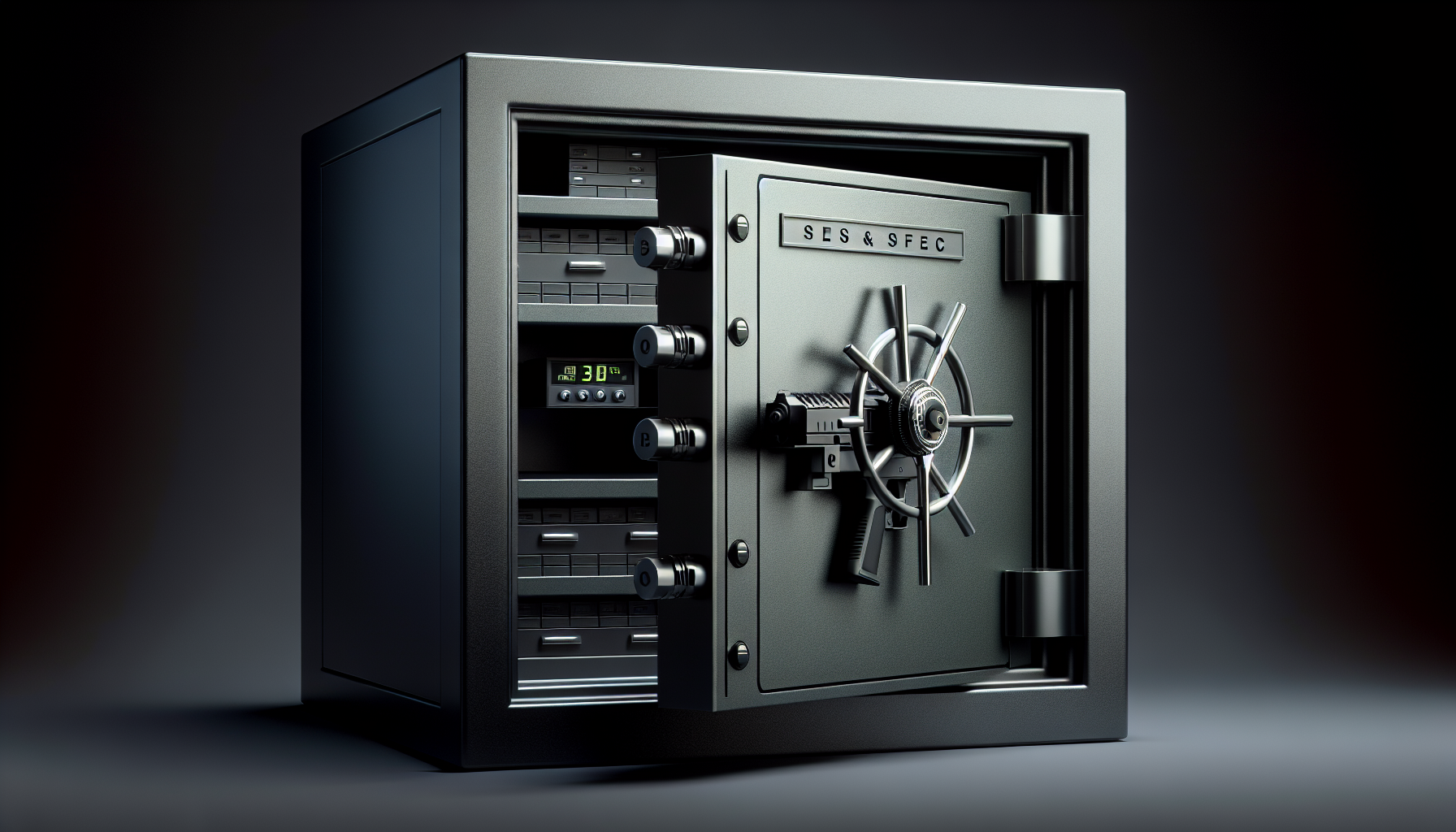
Choosing a gun safe with a reinforced door for extra security starts with understanding a simple fact: most attacks on a residential safe target the door, not the walls. In my experience evaluating safes for homeowners, collectors, and small firearms businesses, that is where real buying mistakes show up. People compare exterior dimensions, paint finish, or advertised capacity, then overlook the door construction that determines how long the safe can resist prying, punching, drilling, and lock manipulation. A reinforced door is not a marketing extra. It is a core security feature that influences burglary resistance, fire performance, long-term reliability, and overall value.
For buyers in the Gun Safes & Safety category, this matters because the safe is doing several jobs at once. It is preventing unauthorized access, slowing down smash-and-grab theft, supporting responsible firearm storage, and often protecting documents, optics, cash, and heirlooms. “Reinforced door” usually refers to a door built with thicker steel, added plate layers, internal hardplate, stronger boltwork support, tighter frame tolerances, and anti-pry features around the perimeter. That can include composite construction, full inner door plates, drill-resistant materials near the lock, and reinforced hinge-side structures that prevent the door from peeling open even if exposed hinges are cut.
This buying guide is the hub for shopping decisions within gun safe buying guides because the door is where specifications become practical security. Gauge ratings, steel thickness, lock types, relocker design, door clearance, fire seals, and anchoring all connect back to door strength. A reinforced door does not make a safe invincible, and no consumer safe should be described that way. But a stronger door dramatically increases attack time and noise, which is exactly what deters many residential burglars. The goal is not only to buy a larger safe. The goal is to choose a better one, with door construction that matches your risk level, firearm collection, home layout, and budget.
What a Reinforced Gun Safe Door Actually Means
A reinforced gun safe door is a door engineered to resist forced entry at the point burglars attack most aggressively. In practical terms, that usually means more steel in the door assembly, better support behind the lock and boltwork, and design features that reduce pry gaps. On entry-level safes, the “door” may be a relatively thin formed steel panel dressed up with interior upholstery. On better safes, you will see a true plate door, multiple steel layers, or a composite door system combining outer steel, internal reinforcement, hardplate, and structured support for live locking bolts.
The first specification to check is steel thickness. Many mass-market gun safes use 14-gauge or 12-gauge steel bodies, while stronger models may use 10-gauge, 7-gauge, or quarter-inch plate in critical areas. Door steel is often thicker than body steel, and that is appropriate because the door faces concentrated attack. If a manufacturer advertises a “4-inch door,” do not assume all four inches are steel. That figure often includes drywall-based fireboard, interior paneling, and air gaps. Ask for the actual outer plate thickness, inner plate thickness, and whether there is a continuous hardplate over the lock area.
Lock protection is another defining element. Quality reinforced doors commonly include hardened steel plates, ball-bearing drill-resistant inserts, and one or more relockers that trigger if the lock is punched or tampered with. I strongly prefer manufacturers that describe these details clearly instead of relying on vague terms like “military-style” or “enhanced security.” The more specific the specification sheet, the more confidence you should have in the product. If the seller cannot tell you the door’s steel thickness, bolt diameter, hardplate design, or number of active bolts, keep shopping.
How Door Construction Affects Real-World Security
In a burglary, speed matters. Most residential break-ins are measured in minutes, not hours, and thieves usually bring simple tools first: pry bars, large screwdrivers, hammers, angle grinders, and occasionally battery drills. A reinforced gun safe door buys time by making these common attacks slower, louder, and more frustrating. Better doors resist corner peeling, limit access to the locking mechanism, and distribute force into the frame instead of allowing the skin to deform easily.
The biggest weakness in many low-cost safes is not only thin steel but excessive door gap. If the gap between the door edge and frame is wide enough for pry tools to bite deeply, attackers gain leverage fast. Reinforced doors address that through tighter tolerances, return flanges, stepped door profiles, and robust door jamb construction. Some manufacturers add continuous anti-pry tabs or interlocking designs that reduce exposed leverage points. These details are easy to miss on a showroom floor but make a major difference under attack.
Hinges also create confusion. External hinges are not automatically less secure than internal hinges. A properly designed safe with external hinges can still resist door removal because the door is retained by fixed hinge-side bolts or a full-length dead bar when closed. The advantage of external hinges is wider door opening, often close to 180 degrees, which improves rifle access. Internal hinges can reduce external attack surfaces, but they do not guarantee stronger security on their own. The frame, dead bar, and boltwork matter more than hinge placement alone.
Anchor points complete the picture. Even a reinforced door loses value if the safe can be tipped onto its back, where pry attacks become easier. I have seen medium-quality safes perform better simply because they were anchored correctly into concrete, while heavier but unanchored models were defeated faster. Door strength is part of a system, not a standalone specification.
Key Specifications to Compare Before You Buy
When comparing gun safes with reinforced doors, use a disciplined checklist instead of relying on brand slogans. Start with steel thickness in both body and door, then verify lock type, hardplate, relocker presence, boltwork design, door gap, fire rating method, and anchoring provisions. Look for independent certifications when available. UL Residential Security Container ratings, California DOJ listings for firearm safety devices, and UL-listed electronic or mechanical locks provide more confidence than generic marketing claims. Not every strong safe carries every certification, but documented testing matters.
Lock choice deserves careful attention. Mechanical dial locks remain highly respected for durability and long service life. Electronic locks are faster for frequent access and can be excellent if sourced from proven suppliers such as SecuRam, Sargent and Greenleaf, or La Gard. The concern is not that electronic locks are weak by definition; it is that cheap keypads and unproven lock bodies fail more often and create service headaches. For a defensive firearm safe that you access regularly, a quality electronic lock can be the right choice. For long-term storage with minimal access, many buyers still prefer a dial.
Fire ratings should be read critically. A label claiming 60 or 90 minutes means little without a stated temperature and testing method. Some brands use proprietary tests rather than independent lab standards. A reinforced door can improve heat resistance by tightening seals and reducing hot-gas entry points, but door thickness alone does not equal fire protection. Intumescent seals, insulation type, and body-door fit all matter. If documents are part of your storage plan, remember that paper and firearms have different heat tolerances, and a dedicated document container inside the safe may still be wise.
| Feature | What to Look For | Why It Matters |
|---|---|---|
| Door steel | 10-gauge or thicker, or composite plate construction | Improves pry and punch resistance |
| Hardplate | Hardened steel protecting lock and spindle area | Slows drilling attacks |
| Relocker | Mechanical or glass relocker tied to tamper events | Locks boltwork if attacked |
| Boltwork | Active bolts plus hinge-side dead bar | Prevents door removal or peeling |
| Door gap | Tight perimeter with anti-pry profile | Reduces leverage points |
| Anchoring | Pre-drilled holes and rated hardware options | Keeps safe from being tipped or carried off |
Matching Door Strength to Your Risk Level and Collection
The right reinforced door depends on what you own, where you live, and how the safe will be used. A first-time buyer storing two handguns in a low-crime suburban home has different needs than a collector with twenty long guns, suppressors, premium optics, and transferable accessories. I advise buyers to calculate replacement value realistically, including taxes, transfer fees, optics mounts, magazines, ammunition, and documents. Once they do, they usually realize the safe needs to be stronger than they first planned.
If your collection includes high-value rifles, night vision, or serialized NFA items, prioritize thicker door construction, lock protection, and professional delivery with anchoring. In those cases, stepping up from a big-box sporting goods safe to a specialty safe dealer model is usually justified. Brands differ by region and price tier, but the pattern is consistent: as you move upward, you are paying for more steel, better fit, more robust boltwork, superior locks, and clearer specifications. Those are meaningful upgrades, not cosmetic ones.
Your home environment matters too. If the safe will be installed in a garage, humidity control, thermal swings, and visibility from an open garage door all affect selection. In a closet or interior room, size and door swing may matter more than appearance. In upstairs installations, floor loading becomes relevant, especially with larger plate-style safes. A reinforced door adds weight to the front of the unit, which can affect moving complexity and placement strategy. Plan the route before you buy, not on delivery day.
Do not ignore daily usability. The best safe on paper can become inconvenient if shelves block access, the door does not open wide enough, or the lock is awkward in low light. Reinforced doors are heavier, so check whether the hinges operate smoothly and whether the handle throw is reasonable. Security is only effective when the safe is used consistently.
Common Buying Mistakes and How to Avoid Them
The most common mistake is shopping by stated gun capacity. Manufacturer capacities are famously optimistic, often based on slim, unscoped rifles placed with no practical spacing. Once you add optics, slings, bipods, or modern sporting rifles with wider profiles, real capacity drops sharply. Buyers then cram the interior, making access difficult and increasing the chance that the safe stays open longer during use. Choose a safe rated for far more firearms than you currently own.
Another mistake is overvaluing cosmetic thickness. Plush interiors, decorative hardware, and impressive-looking doors can hide thin steel. Ask for exact steel specs, not just exterior door depth. Also avoid assuming heavier automatically means stronger. Added drywall for fire lining increases weight but does not equal burglary resistance. The quality of steel, lock protection, and frame design matters more than raw pounds alone.
Many buyers also skip installation planning. A reinforced door is only as effective as the safe’s placement and anchoring. Positioning the hinge side against a wall can reduce pry access. Installing in a corner limits tool swing. Bolting to concrete is best; bolting through wood framing is better than leaving the safe free-standing, but it is not equivalent. If you rent, ask about non-structural anchoring options and concealed placement rather than accepting a poor setup.
Finally, buyers often neglect service and warranty support. Locks fail, keypads age, and moving damage happens. Purchase from a dealer or manufacturer with a clear parts policy, available locksmith support, and defined warranty terms. A cheaper safe with weak after-sale support can become more expensive than a better safe bought once.
How This Buying Guide Connects to the Rest of Gun Safe Buying Guides
As a sub-pillar hub under Gun Safes & Safety, this guide should direct your next decisions. Once you understand reinforced doors, the next logical comparisons are steel gauge versus plate steel, mechanical versus electronic locks, fire lining types, safe size planning, humidity control, anchoring methods, and safe placement in homes with children. Reinforced door construction sits at the center of those topics because it intersects with burglary resistance, user access, maintenance, and total cost.
For example, if you are comparing biometric, keypad, and dial locks, the right answer depends partly on how the reinforced door is built around that lock. If you are choosing between a closet installation and garage placement, door swing and pry access become central. If you are selecting a safe for rifles with optics, interior depth and reinforced door weight affect convenience. In other words, door security is not one isolated feature. It is the structural lens through which the rest of the buying process becomes clearer.
Use this guide as your baseline checklist when reading product pages, talking to dealers, or comparing safes in person. Ask direct questions. Measure actual needs. Verify claims. A reinforced door is worth paying for when the construction details are real and the safe is installed intelligently.
Choosing a gun safe with a reinforced door for extra security is ultimately about buying time, resistance, and peace of mind where it counts most. The safest purchasing approach is straightforward: verify real steel thickness, confirm lock protection and relockers, inspect boltwork and door gap, read fire claims carefully, and plan anchoring before delivery. A reinforced door does not replace smart placement or responsible access practices, but it greatly improves the odds that your firearms stay protected during a forced-entry attempt.
For most buyers, the best value is not the cheapest safe with the biggest capacity number. It is the model with honest specifications, stronger door construction, proven lock components, and support from a reputable dealer or manufacturer. That combination protects firearms better, lasts longer, and reduces the compromises that lead to buyer regret. If you are building out your Gun Safes & Safety plan, use this hub as the starting point, then compare related guides on locks, fire ratings, sizing, installation, and moisture control before making a final decision.
Make your shortlist today, request full door and steel specifications from each brand, and choose the safe that matches your real risk level rather than a marketing label.
Frequently Asked Questions
Why is the door more important than the body of a gun safe when it comes to security?
In most residential break-in scenarios, the door is the primary point of attack because it is the most accessible and mechanically complex part of the safe. A thief usually does not waste time trying to cut through the middle of the safe body if the door can be pried, bent, punched, or compromised at the locking area. That is why reinforced door construction matters so much. A strong safe body is still important, but if the door skin is thin, the frame is weak, or the lock area lacks protection, the safe’s overall security is limited by that weakest point.
A well-built reinforced door improves resistance in several ways. It can reduce flex under pry attacks, better protect the lock and relocker area from drill attempts, and create a tighter, stronger interface between the door edge and the safe frame. In practical buying terms, this means you should pay attention to steel thickness, whether the door is composite or solid plate, how the frame is built, and how the locking bolts engage. When buyers focus only on size, finish, or interior layout, they often miss the engineering that determines how hard the safe is to force open. For extra security, the door is where your evaluation should begin.
What should I look for in a reinforced gun safe door?
Start with the actual construction, not just the marketing language. “Reinforced door” can mean very different things depending on the manufacturer. In some cases, it refers to a true steel plate door with meaningful thickness. In others, it may mean a thinner outer panel with added layers or internal supports. The key is to find out how the door is built, how much steel is involved, and how the lock area is protected. If a seller cannot clearly explain the door structure, that is usually a sign to dig deeper.
Look for features such as a solid steel plate or a robust composite door design, reinforced lock housing, hardplate to resist drilling, and relocker systems that activate if the lock is attacked. A pry-resistant door frame is also critical. The edge profile should limit access for pry bars, and the frame should be strong enough to resist spreading under pressure. Locking bolts matter too, but more bolts do not automatically mean more security. Bolt size, bolt engagement, and the strength of the surrounding door and frame are more important than a high bolt count used as a selling point. A good reinforced door is a system, not just a thick-looking front panel.
Are thicker locking bolts and more bolts always better for safe door security?
Not necessarily. This is one of the most common misunderstandings among buyers. Large locking bolts and a long list of active bolts can sound impressive in a product brochure, but they do not guarantee stronger real-world security. If the door itself flexes easily, if the frame can be spread with a pry bar, or if the lock area is vulnerable to drilling or punching, extra bolts may do very little. Security comes from how the entire door assembly works together, not from one visible feature.
What matters more is the overall integrity of the door system. You want strong bolt engagement into a reinforced frame, minimal door gap, support on the hinge and latch sides, and a lock mechanism that is shielded against attack. Some well-designed safes use fewer bolts but integrate them into a stronger door structure that resists pry and impact attacks better than a flashy bolt-heavy design. In other words, evaluate bolts as part of the larger engineering picture. Ask how deep they engage, whether there are dead bars or fixed bolts on the hinge side, and how the safe performs against prying at the door edge. Those answers tell you more than bolt count alone.
How can I tell whether a manufacturer’s claims about a reinforced door are actually meaningful?
The best way is to move beyond broad advertising terms and ask for specific construction details. Manufacturers often use phrases like “heavy-duty door,” “reinforced front,” or “pry-resistant design,” but those labels are not standardized. You should ask what gauge or thickness of steel is used in the door, whether it is a true plate door or a layered composite build, what protects the lock body, and whether there are drill-resistant hardplates and relockers. If the company provides exact information, that is a good sign. If the answer is vague, overly promotional, or avoids measurements altogether, be cautious.
Independent ratings and demonstrated testing are also useful. A recognized burglary rating or credible third-party evaluation can tell you more than decorative branding. Even when a safe does not carry a formal commercial rating, quality manufacturers should still be able to explain how the door is designed to resist common attacks. Pay close attention to cutaway images, internal diagrams, and technical specifications rather than showroom appearance. This is especially important for homeowners and collectors who want meaningful protection instead of just a large cabinet with a nice finish. The goal is to verify engineering, not buy into labels.
What else should I consider besides the reinforced door when choosing a gun safe for extra security?
A reinforced door is one of the most important features, but it should be part of a complete security plan. The safe body still matters, especially its steel thickness and how it is assembled. A strong door paired with a weak cabinet can still leave you exposed. You should also consider the lock type, anchoring capability, fire protection, interior organization, and where the safe will be installed. A safe that can be tipped over or removed from the home is at a disadvantage no matter how strong the door is.
Installation and placement make a major difference in real security. Bolting the safe to a concrete slab or another solid structure can dramatically reduce the chance of removal and can also make pry attacks more difficult. Location matters too. A safe placed in a hidden, tight-fitting area with limited access around the sides can be harder to attack than one sitting exposed in an open garage. You should also think about your actual storage needs so you do not overfill the safe and compromise organization or quick access. For many buyers, the smartest approach is to choose a safe with a genuinely reinforced door, verify the body construction, use proper anchoring, and install it in a way that limits attack opportunities. That combination gives you far better protection than relying on one headline feature alone.