
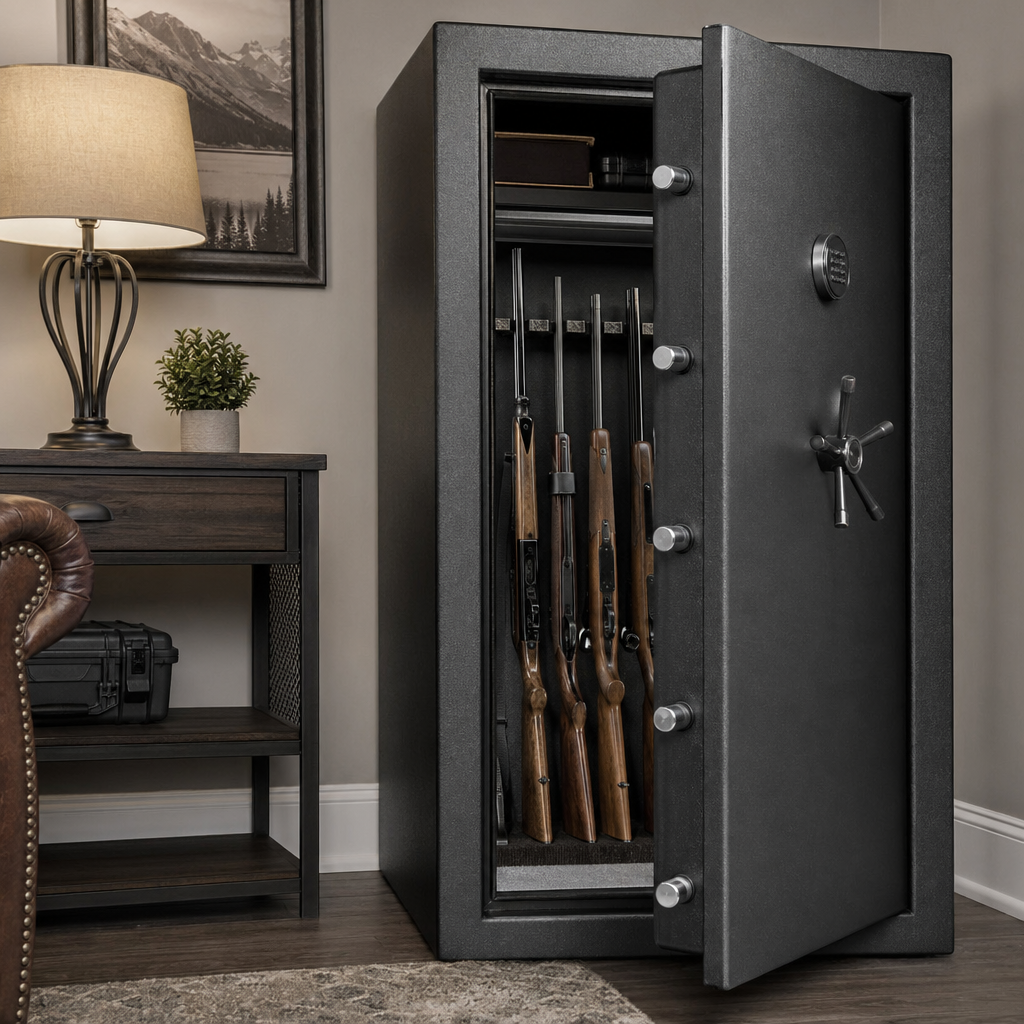
Choosing a gun safe that is resistant to power tool attacks starts with understanding a hard truth: most residential security containers are built to deter quick theft, not withstand a determined criminal armed with grinders, pry bars, carbide bits, and enough time. In practical buying terms, power tool resistance means the safe’s steel thickness, door construction, lock protection, boltwork, body reinforcement, anchoring, and placement all work together to delay entry long enough to force abandonment or trigger a response. That matters because modern cordless tools are lighter, faster, and more capable than ever, making old assumptions about “heavy equals secure” dangerously incomplete. If you are building a serious buying guide for gun safes, this is the central question to answer: not whether a safe looks strong on a showroom floor, but how it performs when attacked at the door seam, lock area, hinges, sidewalls, and anchor points. I have evaluated safes in retail settings, installer walkthroughs, and post-burglary reviews, and the pattern is consistent. Buyers who focus only on size, finish, and fire ratings often overlook the construction details that actually determine resistance to power tool attacks.
What power tool resistance really means in a gun safe
A power tool resistant gun safe is not “tool proof.” No consumer safe is. The real standard is delay. The longer a safe resists attack, the lower the chance a thief can complete entry before neighbors notice, an alarm is verified, or the effort becomes too noisy, risky, and time consuming. For gun safes, the attack tools that matter most are angle grinders with cutoff wheels, reciprocating saws, pry bars used after a cut opens a gap, hole saws, carbide drill bits, and portable impact tools. A safe that merely has thick-looking exterior steel but weak door edges, exposed lock areas, or thin side panels can fail quickly even if it weighs several hundred pounds.
Manufacturers use different labels, which is why buyers should separate marketing language from construction facts. “Gun safe,” “security safe,” and “residential security container” are not interchangeable from a testing standpoint. The most common benchmark consumers see is UL RSC, a category intended to resist a limited attack with simple hand tools for five minutes on the door. That is better than no testing, but it is not the same as a true burglary safe rating such as UL TL-15 or TL-30, which involve much more rigorous test protocols. If your threat model includes organized theft, rural response times, or high-value collections, that distinction matters immediately.
Start with burglary ratings, not brochure promises
The strongest buying shortcut is to look for independent burglary testing before looking at cosmetic features. If a manufacturer does not clearly state the certification and test standard, assume the marketing is doing more work than the steel. UL RSC is a baseline for many mass-market gun safes. It can be appropriate for lower-risk households when combined with anchoring, concealment, and alarm coverage, but it should not be mistaken for high burglary resistance. UL RSC Level II, where available, indicates a stronger standard than basic RSC and is worth prioritizing if your budget sits between mainstream gun safes and true burglary safes.
For substantially better resistance to power tools, buyers should consider commercial burglary ratings such as UL TL-15 or TL-30. These ratings reflect successful resistance to concentrated tool attacks for the rated time on the door, using a broader set of tools. In the field, that generally corresponds to heavier plate construction, better relockers, harder drill protection, and more robust boltwork. The tradeoff is obvious: cost, weight, and reduced interior storage efficiency. Still, if the contents include high-end firearms, NFA items, optics, suppressors, or irreplaceable family pieces, stepping up to a true burglary safe often delivers more real security than buying the largest decorative gun safe in a sporting goods store.
Steel thickness and door construction are the first real filters
When buyers ask me what to check first on the spec sheet, I start with body steel and door steel, then ask how those layers are assembled. Many entry-level gun safes use 14-gauge or 12-gauge bodies. Those can slow opportunistic theft, but they are vulnerable to aggressive cutting and peeling attacks. As a practical minimum for shoppers specifically seeking power tool resistance, 10-gauge body steel is a better starting point, and thicker is better if the design is sound. True plate safes may use much thicker solid steel doors and heavier bodies, sometimes with composite barriers that complicate cutting and drilling.
Door design matters as much as raw thickness. A composite door may include outer steel, internal reinforcement, hardplate, and fire insulation, but you need to know whether those layers improve burglary resistance or simply fire performance. A plate steel door, especially one with substantial thickness over the lock area, generally offers better resistance to grinders and drills than a thin formed door dressed up with interior panels. Pay special attention to the door edge, the frame, and the gap between them. Thieves often attack seams because they can create purchase for prying after a cut. Tight tolerances, reinforced returns, and robust anti-pry tabs are better indicators of real security than polished chrome handles or multiple decorative bolts.
Lock protection, relockers, and boltwork determine whether an attack stalls out
Once a thief targets the lock area, the safe either buys time or fails fast. Good lock protection starts with hardplate, typically hardened steel intended to resist drilling. Better safes may use ball-bearing hardplate or layered drill-resistant materials that deflect bits and destroy cutting edges. A relocker is equally important. If the lock is punched, drilled, or otherwise compromised, a relocker automatically secures the boltwork and prevents a simple bypass. In better safes, glass relockers and multiple relocking points make forced entry dramatically harder because attacking one component triggers secondary locking mechanisms.
Buyers should also understand the difference between visible locking bolts and effective boltwork. More bolts do not automatically equal more security. What matters is bolt diameter, engagement depth, distribution around the door, and whether the door frame itself resists spreading under attack. On many lower-end safes, large shiny bolts are mostly sales-floor theater. I have seen safes advertised with impressive bolt counts but weak door skins and flex-prone frames that still yielded to prying. A better design uses reinforced bolt pockets, strong cam systems, and dead bars or continuous latch-side support to prevent the door from opening even if hinge-side bolts are absent.
Compare key construction factors before you buy
| Feature | What to look for | Why it matters against power tools |
|---|---|---|
| Burglary rating | UL RSC minimum; higher if possible, including TL-rated options | Independent testing is more reliable than marketing claims |
| Body steel | 10-gauge minimum for serious shopping; thicker preferred | Thicker steel slows cutting, peeling, and side attacks |
| Door type | Solid plate or heavily reinforced composite door | Door is the primary attack point for grinders and drills |
| Lock protection | Hardplate, relockers, reinforced lock area | Prevents fast drill-and-punch attacks |
| Boltwork | Deep engagement, rigid frame, anti-pry design | Stops door spread after seams are cut or pried |
| Anchoring | Installed to concrete with appropriate hardware | Prevents tip-over and access to weaker attack surfaces |
Locks, hinges, and body weak points buyers often miss
Electronic locks versus mechanical dial locks is a common question, but the correct answer is quality over format. A high-quality UL-listed electronic lock from Sargent and Greenleaf, SecuRam, or La Gard can be an excellent choice, especially for quick access and audit features on some models. A poor electronic lock is a liability. Mechanical dials remain valued for durability and low maintenance, but they are slower to open and not inherently superior against attack if the surrounding lock area is poorly protected. For many buyers, the best approach is to prioritize a reputable lock brand, a protected lock mounting arrangement, and available service support.
External hinges do not automatically make a safe less secure, and internal hinges do not automatically make it stronger. If the hinge-side has fixed locking bars or dead bolts that keep the door secure when hinges are cut, external hinges can be perfectly acceptable and may allow a wider door opening. What matters is whether the safe maintains full security when a hinge is attacked. Sidewalls, top panels, and the back panel also deserve scrutiny. Burglars often target the area they can reach most easily once a safe is tipped or moved away from a wall. That is why body thickness and anchoring are inseparable buying criteria.
Installation, anchoring, and location can double effective security
A strong safe that is poorly installed can become easy work for thieves. Once a safe can be tipped onto its back, pry attacks become much more effective, and side or top cutting may expose thinner steel than the door. Anchoring into concrete with manufacturer-approved hardware is one of the highest-value upgrades any buyer can make. In wood-frame floors, use engineering guidance appropriate to the load and structure; heavy safes can exceed what a casual installation should assume. Professional delivery and anchoring are worth the cost because they improve both security and safety.
Placement matters just as much. A safe installed in a garage, visible from the street, offers convenience to the owner and to the thief. Better locations limit working room, line of sight, and tool access. A closet corner, utility room, or basement alcove can reduce attack angles and make grinders harder to use. Ideally, place the hinge or vulnerable side near a wall so attackers cannot get leverage. Integrate the safe with monitored alarms, door contacts, motion sensors, and cameras. In burglary case reviews, layered security consistently outperforms any single hardware choice because it compresses the time available for attack.
How to balance fire protection, storage capacity, and real burglary resistance
One of the biggest mistakes in gun safe buying guides is treating all premium features as equal. Fire ratings matter, especially for documents, optics, and stocks, but they can distract from burglary performance. Some fire-lined gun safes become very large and heavy without adding much cutting resistance. Drywall-based insulation is common and useful for fire endurance, yet it should not be confused with burglary barrier material. If the budget is fixed, many collectors are better served by buying a slightly smaller safe with stronger steel and better lock protection rather than a larger model loaded with shelving, lights, and decorative interiors.
Capacity claims also mislead buyers. A “36-gun” safe rarely stores 36 scoped long guns in a practical, accessible way. Overcrowding encourages owners to place valuables in less secure spots or leave long guns unprotected. Buy for your real collection plus growth, but do not let storage capacity alone push you into thinner construction. If your collection is especially valuable, consider a dual-safe strategy: a burglary-focused safe for high-value firearms and regulated items, and a secondary cabinet or separate safe for overflow. This often provides better risk management than relying on one oversized, mid-grade container.
Questions to ask any dealer or manufacturer before purchasing
Ask direct questions and require direct answers. What independent burglary rating does this model carry? What are the exact body and door steel thicknesses? Is the door plate steel or a formed composite, and where is the hardplate located? How many relockers are included, and are they mechanical, glass, or both? What lock brand is installed? Can the safe remain secure if hinges are cut? Where are the most common attack points on this model, and what design features address them? Reputable dealers can answer these without hiding behind vague phrases like “military style” or “bank vault design.”
Also ask about delivery, anchoring, warranty support, lock replacement, and local service. The best gun safe buying decision is not made from a brochure alone; it includes who will install it, how it will be maintained, and whether parts and technicians are available if the lock fails. If possible, inspect cutaway displays, internal door photos, or independent reviews from locksmiths and safe technicians. Those sources often reveal whether the safe is engineered for real resistance or simply merchandised to look imposing. The goal is not perfection. It is buying the most delay, integrity, and practical protection your budget can realistically support.
The best way to choose a gun safe that resists power tool attacks is to think like an attacker, then buy for delay, not appearance. Start with independent burglary ratings, because tested performance tells you far more than branding language. Prioritize thicker body steel, a strong plate or reinforced door, protected lock areas, relockers, rigid boltwork, and a frame that resists prying after cuts are made. Treat anchoring and placement as part of the safe itself, since a tipped or movable safe exposes weak surfaces and gives thieves room to work. Balance those security essentials against capacity and fire protection instead of letting cosmetic upgrades control the decision.
For most households, the right answer is not the biggest safe on the showroom floor. It is the model with the strongest verified construction your budget, floor structure, and space will support, installed correctly and backed by alarms and good access control. If you are building out your Gun Safes & Safety research, use this buying guide as your hub: compare ratings, study steel thickness, review lock systems, and drill down into installation and fire-vs-burglary tradeoffs before purchasing. A careful selection today can add years of protection and dramatically reduce the odds that cordless tools turn your safe into an easy target.
Frequently Asked Questions
What actually makes a gun safe resistant to power tool attacks?
A gun safe becomes more resistant to power tool attacks when its protective features work as a system instead of relying on one marketing claim. The first thing to examine is steel thickness. Thin sheet steel may look substantial in a showroom, but it can be cut, peeled, or punched through much faster with grinders, carbide hole saws, and pry tools than heavier plate or reinforced composite construction. Door design matters just as much as body steel. A thick door skin backed by internal reinforcement, hard plate over the lock area, and a robust frame will usually resist drilling and prying better than a safe that simply advertises many locking bolts.
Lock protection is another critical factor. A power-tool-resistant safe should include hard plate to slow drilling, relockers that trigger if the lock area is attacked, and a lock design with real anti-manipulation and anti-drill features. Boltwork should be substantial, but buyers should remember that bolt count alone is not the goal. If the door edge, frame, or body is weak, a long row of bolts will not compensate for structural vulnerabilities. Body reinforcement, especially around door jambs, corners, and top panels, helps reduce the risk of peel attacks and aggressive prying.
Anchoring and placement are also part of power tool resistance. Even a well-built safe becomes much easier to attack if a thief can tip it over, move it into a garage, or access every side with cutting tools. A properly anchored safe installed in a tight location, such as a closet corner or alcove with limited side and rear access, can dramatically increase the time, noise, and effort required to break in. In practical terms, resistance to power tools is not about making a safe invincible. It is about forcing an attacker to generate more noise, use more time, go through more abrasive discs and bits, and face enough difficulty that the attack becomes too risky to finish.
Is thicker steel the most important thing to look for, or are other features equally important?
Thicker steel is one of the most important buying factors, but it should not be treated as the only one. Steel thickness directly affects how quickly an attacker can cut into the safe body or door with an angle grinder, saw, or drill. In general, heavier steel slows penetration and makes pry attacks more difficult because the body and door flex less under force. That said, a safe with thicker steel but poor door construction, weak lock protection, or sloppy fitment can still have exploitable weak points.
Door construction is often where quality differences become obvious. Many break-ins focus on the door and lock area because that is where the mechanism can be defeated or bypassed. A safe with a reinforced door, solid frame, anti-pry design, and hardened protection around the lock is usually better prepared for real-world attacks than a model that emphasizes interior features or cosmetic finish. Hard plate helps resist drilling, and relockers can keep the bolts secured even if the lock is damaged. These features are especially valuable against experienced attackers who know where to drill.
Buyers should also think about overall design integrity. A safe with respectable steel thickness but a thin top, weak back panel, or vulnerable sidewall may still be opened quickly if the criminal has enough space and time. Weld quality, internal reinforcement, and the way the body and door fit together all matter. In short, steel thickness should be one of the first filters when comparing safes, but the best choice is the one that combines meaningful steel thickness with smart engineering, protected lock components, strong boltwork, and an installation plan that limits access for tools.
Do UL ratings or other certifications help when choosing a safe for tool attack resistance?
Yes, certifications can be very helpful, as long as you understand what they do and do not mean. Many gun safes sold for residential use are technically residential security containers rather than true high-security safes. That distinction matters because a container designed to deter smash-and-grab theft may not offer the same tested resistance to concentrated attacks with grinders, drills, and pry tools. Third-party ratings can provide a more objective picture than advertising language like “heavy-duty,” “drill-resistant,” or “pry-proof,” which are often used loosely in the marketplace.
When you see a recognized burglary rating, it generally indicates that the unit has been tested against specific attack methods for a defined period under controlled conditions. That does not mean the safe can survive forever, and it does not mean all certified products are equal in every respect. However, it does mean the manufacturer submitted the design for an independent evaluation instead of relying only on promotional claims. For buyers concerned about power tool attacks, tested burglary resistance is far more meaningful than broad lifestyle marketing.
It is also important to interpret ratings realistically. Test conditions are standardized and cannot perfectly replicate every criminal attack in a home. Real intruders may use different tools, may attack less protected areas, or may benefit from more privacy and time than a test environment allows. That is why certification should be part of the buying decision, not the entire decision. A strong rating combined with thick steel, hardened lock protection, good anchoring, and strategic placement gives you a much better defensive package than a rating alone. If your concern is specifically a determined attacker with power tools, favor products with credible third-party burglary testing and then evaluate whether the design, size, and installation setup support that level of protection in the real world.
How important are anchoring and placement if the safe itself is well built?
Anchoring and placement are extremely important, and in many home break-in scenarios they are the difference between a difficult target and an easy one. A well-built safe can lose much of its practical security value if it is left free-standing in an open area where thieves can tip it over, attack the thinner sides, or load it onto a dolly and remove it entirely. Once a criminal gets a safe into a garage, workshop, or remote location, they can take far more time with cutting and drilling tools than they would inside the main living area of a home.
Proper anchoring keeps the safe upright, stable, and difficult to move. It also limits leverage opportunities during pry attacks. A safe that rocks or shifts under force is easier to exploit than one firmly secured to concrete or another suitable structural surface using the manufacturer’s approved anchoring method. Just as important is placement. Installing the safe in a corner, closet, or recessed area can restrict side and rear access, making it harder to get large pry bars or cutting tools into the most vulnerable positions. Tight placement can also reduce the attacker’s ability to generate clean, long grinder cuts.
Environmental strategy matters too. Consider visibility, noise, and time. A safe placed in a busy part of the home, behind a locked door, under alarm coverage, or within camera range creates more pressure on an intruder than one sitting exposed in a detached space. The goal is to combine the safe’s physical construction with installation choices that deny working room and increase the risk of detection. Even a premium safe should be viewed as one part of a layered security plan. The more you can force an attacker to work awkwardly, noisily, and under time pressure, the more effective that safe becomes against power tool attacks.
What are the biggest mistakes buyers make when shopping for a gun safe for serious break-in resistance?
One of the biggest mistakes is buying based on appearance, interior capacity, or branding before evaluating actual construction. Many buyers focus on glossy finishes, door organizer packages, electronic features, or the number of locking bolts, while overlooking steel thickness, lock protection, and structural reinforcement. A safe can look massive and still rely on relatively thin steel in key areas. Marketing terms often make containers sound tougher than they really are, so it is essential to ask for specifics such as body steel gauge, door thickness expressed as actual steel content, hard plate details, and whether the design includes relockers and reinforced door frames.
Another common mistake is underestimating the threat model. If you are specifically concerned about power tool attacks, you should not shop as if the goal is only preventing a quick snatch-and-grab theft. Criminals who bring grinders, pry bars, and carbide bits are targeting weak points deliberately. That means the buyer needs to think about how the safe handles drilling at the lock, prying at the door edge, cutting through sidewalls, and being tipped over for easier access. Choosing a safe solely by fire rating or advertised storage size can lead to a unit that performs poorly against burglary tools.
Installation errors are also very common. People spend heavily on a safe and then place it in an exposed garage, leave it unanchored, or install it where all sides are accessible. Others fail to account for future needs and buy a model that is too small, forcing them to store valuables outside the safe later. A final mistake is assuming any residential gun safe is effectively “tool-proof.” No residential safe should be viewed that way. The realistic goal is delay, deterrence, and risk creation for the attacker. The best buying decision comes from understanding that serious protection is built from steel thickness, reinforced design, lock defense, anchoring, placement, and layered home security working together.