
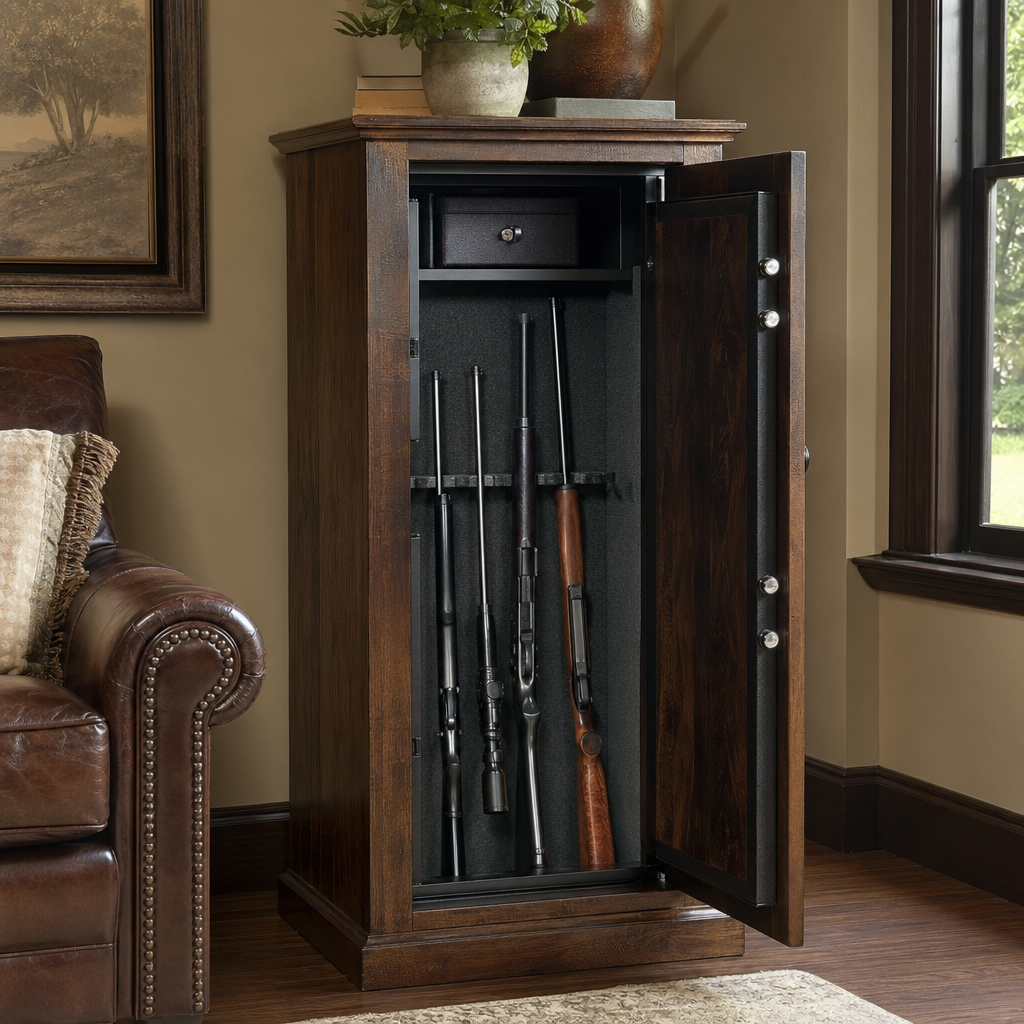
Choosing a gun safe that can be disguised as furniture requires balancing security, concealment, access speed, room layout, and legal responsibilities. A disguised gun safe is a locking storage unit built to look like ordinary household furniture such as a nightstand, bench, mirror, coffee table, or cabinet. Buyers usually want one for three reasons: keep firearms away from children and unauthorized adults, avoid advertising that guns are in the home, and place defensive firearms where they can be reached quickly. In my experience evaluating residential storage setups, the biggest mistake is treating concealment as a substitute for real security. It is not. The right product combines a sturdy locking mechanism, credible resistance to pry attacks, sensible mounting, and a furniture design that blends naturally into the room.
This buying guide matters because disguised safes sit at the intersection of safe storage, home defense, and interior design. Traditional upright gun safes are excellent for bulk storage, but they are not always ideal in bedrooms, entryways, or living spaces where immediate access matters. Furniture gun safes fill that gap, yet quality varies dramatically. Some are serious secure containers hidden in plain sight; others are little more than hollow furniture with a key lock. Understanding the difference helps you avoid false confidence, wasted money, and unsafe storage. This hub article explains how to evaluate materials, locks, fire resistance, installation, sizing, placement, and legal considerations so you can choose a disguised furniture gun safe that truly fits your firearms, your home, and your risk profile.
Start with your storage goal, threat level, and firearm type
The best way to choose a disguised gun safe is to define exactly what you are storing and what threats you need to manage. A nightstand safe for a single handgun solves a different problem than a console cabinet intended for two carbines, magazines, passports, and family documents. Start by listing firearm type, unloaded dimensions, optics, weapon lights, suppressor length if applicable, and whether you need room for quick-access magazines or medical gear. Measure the actual longest, widest, and tallest configuration, not the catalog dimensions of the bare gun. I have seen buyers order a hidden shelf for a handgun only to discover that the red-dot optic and mounted light prevent the door from closing.
Your threat model matters just as much as dimensions. If your primary concern is preventing child access, a robust quick-access handgun safe disguised as a drawer insert may be enough. If you are worried about burglary, choose heavier steel, better locking bolts, anchored installation, and a design that does not obviously suggest hidden storage. Also decide whether the safe is for defensive access, long-term storage, or both. Fast access often favors biometric or simplex-style mechanical entry and placement near occupied rooms. Long-term storage favors thicker steel, more internal organization, humidity control, and less visible locations. Be honest about priorities. No disguised furniture safe excels equally at immediate access, high burglary resistance, large capacity, and low cost.
Compare disguise styles by room, usage, and visibility
Disguised gun safes come in several common furniture formats, and each works best in specific rooms. Nightstands and end tables are popular for bedside handgun storage because they support natural access during the night. Benches and blanket chests fit entryways or bedrooms and can store longer firearms, but they must be sized carefully so opening the lid or panel is not awkward. Mirror safes and framed wall units offer excellent concealment for handguns or compact rifles when mounted securely between studs. Coffee tables and console cabinets provide larger hidden compartments in living areas, though they may attract more guest interaction. A hidden gun safe should look ordinary for the room. An oversized “rustic” cabinet in a modern apartment stands out more than a simple side table that matches existing furniture.
Visibility should guide finish and form. In a bedroom, a lock seam hidden under a drawer front may go unnoticed. In a foyer, guests may sit on a bench, move a console, or inspect furniture more closely. Think in terms of behavioral camouflage. The best disguised furniture safe is not just visually convincing; it behaves like normal furniture. Drawers should feel real if they are decorative, lids should not scream “compartment,” and hardware should fit the style of the room. If children are in the home, avoid concealment methods that become obvious through repeated observation, such as a picture frame opened the same way every evening. Rotating routines and limiting visible handling reduce the chance that concealment becomes predictable.
Evaluate security features before appearance
Once style is narrowed down, judge the safe as a security product first and a furniture product second. Steel thickness is a practical starting point. Many quality quick-access handgun safes use 12-gauge to 14-gauge steel bodies, while lighter products may use thinner metal or wood structures with a steel insert. Thicker steel generally resists bending and prying better, but door design, overlap, hinge protection, and locking bolt engagement are equally important. Look for continuous welds or strong mechanical construction, recessed doors, internal hinges when possible, and anti-pry features that reduce exposed gaps. A beautiful cabinet skin wrapped around a weak lockbox is still a weak safe.
Lock choice deserves close scrutiny. Biometric locks are convenient, especially in low light, but sensor quality varies. Good units store multiple fingerprints, reject partial reads less often, and include keypad or key backup. Keypads are dependable if buttons are responsive and the code can be entered by touch. Mechanical push-button locks avoid batteries and can be extremely fast, though they may add cost and limit form factors. Traditional keyed locks are the least desirable for defensive access because keys can be lost, copied, or left nearby. Also check battery compartment access, lockout behavior after failed attempts, and whether the lock secures actual steel bolts rather than a flimsy cam latch.
| Feature | What to Look For | Why It Matters |
|---|---|---|
| Steel body | 12-14 gauge for handgun units; reinforced doors | Improves pry resistance |
| Lock type | Reliable biometric, quality keypad, or mechanical push-button | Balances security and access speed |
| Anchoring | Pre-drilled mounting holes and strong hardware | Prevents thieves from carrying it away |
| Interior fit | Foam, rack, or divider that matches optics and lights | Prevents poor access and damage |
| Concealment design | Furniture that matches the room naturally | Reduces attention and suspicion |
Understand construction, anchoring, and real burglary resistance
A disguised safe is only as secure as its mounting. This is the point many buyers overlook. If a thief can pick up the entire “furniture” piece and leave in under a minute, concealment buys little. Quality disguised safes should include pre-drilled holes or integrated anchor points that let you bolt the safe body to wall studs, floor joists, concrete, or a substantial backing plate. For wall-mounted mirror and picture safes, fastener choice and stud engagement are critical. For benches and cabinets, anchoring through the base into the floor or into structural members at the wall can dramatically improve resistance against smash-and-grab theft. In my testing of compact safes, a modestly built box that was well anchored often performed better in realistic burglary scenarios than a heavier unit left unsecured.
Do not confuse residential security containers with high-end commercial burglary safes. Most furniture gun safes are designed to deter opportunistic theft and delay quick attacks, not withstand prolonged assault with large pry bars or power tools. That limitation is not a deal breaker if you buy with clear expectations. Ask for body and door steel specifications, lock certifications where available, and details on latchwork. Independent burglary ratings are uncommon in this category, but transparent manufacturers will still disclose meaningful construction data. If a product page focuses only on “hidden” features and says little about steel, bolt size, or anchoring, that is a warning sign. Concealment should supplement physical security, not replace it.
Check access speed, reliability, and everyday ergonomics
A hidden furniture safe must work under stress, in the dark, and half awake. Access speed depends on more than lock type. Door swing direction, hand position, furniture height, and interior layout affect how quickly you can retrieve a firearm safely. Bedside units should allow a natural reach without forcing you to kneel or bend sharply. Mirror and wall safes should open without requiring a sequence of movements that becomes clumsy under adrenaline. The fastest design is the one you can operate consistently after practice. I advise buyers to simulate access from their real sleeping position or seating area before deciding on a format.
Reliability should be verified through repetition. Biometric safes should be tested with dry fingers, slightly sweaty fingers, and from awkward angles. Keypads should be backlit or easy to index by feel. Gas struts or spring-assisted openings should present the firearm predictably rather than launching the door into nearby furniture. Quiet operation may matter in a home-defense context, so listen for loud latches, squeaky hinges, or furniture panels that rattle. Also evaluate muzzle orientation and trigger protection during retrieval. A compartment that requires twisting the firearm around stored objects is a poor design, no matter how attractive the exterior looks.
Match capacity, interior layout, and protection features to your gear
Capacity claims in disguised safes are often optimistic. “Fits two handguns” may mean two compact pistols with no optics, no lights, and no spare magazines. For long guns, check overall length, stock profile, and whether the compartment accommodates slings, red dots, magnifiers, or folded braces where lawful. A useful interior is organized, not just spacious. Foam cutouts, barrel rests, removable shelves, magazine trays, and document pouches can improve speed and reduce damage. If you plan to store important papers, choose a layout that keeps them flat and separate from lubricants and metal edges.
Environmental protection matters more than many buyers expect, especially in basements, coastal climates, and rooms with variable humidity. Even a hidden bedside safe can accumulate moisture. Look for sealed seams where practical, room for a desiccant canister or rechargeable dehumidifier, and interior materials that will not trap condensation against metal surfaces. Fire protection in this category is less common and often limited. If a disguised furniture safe advertises fire resistance, confirm the duration, temperature rating, and testing basis. Modest fire lining can help with paper documents, but most quick-access furniture safes are not substitutes for a dedicated fire-rated document safe or a full-size gun safe with verified ratings.
Consider legal duties, household safety, and placement strategy
Gun storage laws vary by state and locality, but the practical standard is simple: unauthorized people, especially children, must not be able to access firearms. A disguised safe can support that goal, yet concealment alone may not satisfy legal or ethical obligations if the locking system is weak or routinely left open. Review child access prevention laws, safe storage requirements, and any duty-to-secure provisions that apply where you live. If the firearm is staged for defense, understand local rules about loaded storage and your own readiness plan. Consistency matters more than intention. A premium hidden safe does nothing if you start leaving it unlatched because the code entry is annoying.
Placement strategy should account for both access and discovery risk. Bedrooms are common, but not always ideal if children, guests, cleaners, or contractors spend time there. Living room furniture can work if the safe blends perfectly and remains anchored, though it also increases interaction by visitors. Avoid locations with obvious theft patterns such as the primary bedroom closet if the furniture itself can be removed. Think about sight lines, daily traffic, and what a burglar would search first. For many households, the best solution is layered storage: a full-size anchored safe for bulk firearms and a smaller disguised furniture safe for one defensive firearm and essential valuables. That approach provides both rapid access and stronger long-term security.
How to compare brands, prices, and red flags before you buy
Price in this category reflects more than steel and locks. You are also paying for cabinetry, fit and finish, hidden compartment engineering, and sometimes domestic craftsmanship. Still, expensive does not automatically mean secure. Compare brands by published specifications, warranty terms, replacement part availability, and customer support responsiveness. Look for detailed product photos of the safe body separate from the furniture shell, installation instructions, lock model information, and realistic dimensions. Reputable makers explain exactly what is solid wood, what is veneer, what is steel, and how the hidden compartment opens. Vague phrases such as “military grade” or “tamper proof” without measurements or testing details should be discounted.
Read reviews with a technical eye. The most useful reviews describe installation, lock reliability over time, false biometric reads, door alignment, finish durability, and whether the piece actually blends into a furnished room. Watch for recurring complaints about warped doors, dead fingerprint readers, weak anchors, or shipping damage that affects alignment. Before purchasing, ask three direct questions: What gauge steel is used in the compartment and door, how is the unit anchored, and what backup access method exists if electronics fail? If the answers are unclear, keep shopping. The right disguised gun safe as furniture should secure the firearm, fit the room, and function reliably every day. Measure carefully, anchor it properly, and choose security before novelty.
Frequently Asked Questions
1. What should I look for first when choosing a gun safe that can be disguised as furniture?
The first priority is security, not appearance. A disguised gun safe should look like normal furniture, but it still needs to function as a true locking storage unit that helps prevent access by children, guests, and unauthorized adults. Start by checking the locking system, the strength of the body and door, the quality of the hinges, and whether the unit can be anchored to the floor or wall. A piece that blends in beautifully but can be carried away easily or pried open quickly is not doing its job. In practical terms, buyers should think of concealment as an added layer of protection, not a substitute for real safe construction.
After security, consider how well the piece fits your intended use. If the safe will hold a defensive handgun for quick access, the opening mechanism should be fast, reliable, and easy to operate in low light or under stress. If it will store a long gun, the dimensions, interior layout, and retrieval method matter more. Also think about where the furniture safe will sit in the room. A disguised nightstand near the bed serves a different purpose than a bench in an entryway or a hidden cabinet in a living room. The best choice is one that matches your firearm type, your home layout, your need for discreet placement, and your ability to access it safely while still keeping it secured from everyone else.
2. Are furniture-style gun safes actually secure, or are they mostly for concealment?
They can be secure, but only if you choose carefully. Many buyers are drawn to furniture-style safes because they do not advertise firearm ownership, and that is a meaningful advantage. A burglar scanning a room may ignore a mirror, end table, or bench that does not obviously resemble a safe. That said, concealment and security are not the same thing. Some products are essentially hidden compartments with basic locks, while others are purpose-built safes integrated into furniture-grade cabinetry. The difference is substantial. A well-made model should include solid materials, a dependable lock, reinforced access points, and secure mounting options so it cannot simply be removed and opened later.
It is also important to be realistic about the threat level. A disguised furniture safe is often best for layered residential security, especially when the goal is quick home access and reducing visibility to visitors. It may not offer the same burglary resistance as a large traditional gun safe made from heavier steel with formal ratings. For many households, that does not make it a poor choice; it just means it should be matched to the role it is meant to fill. If you are securing one or two defensive firearms in a lived-in area, a high-quality disguised unit can be very effective. If you are storing a large collection, high-value firearms, or ammunition in volume, a traditional safe in a more secure location may still be the better primary storage solution.
3. Where is the best place in the home to put a disguised gun safe that looks like furniture?
The best location depends on why you want the safe and how quickly you may need access. Bedrooms are one of the most common choices because a disguised nightstand, dresser insert, or bedside cabinet can place a defensive firearm within reach while still keeping it locked away from children or unauthorized users. Living rooms can also work well, particularly with furniture pieces such as coffee tables, end tables, or cabinets that blend naturally into the space. Entry-adjacent areas may be useful in some homes, but they also require more caution because they may be closer to guests, service workers, or frequent foot traffic.
When choosing a location, think about both concealment and daily practicality. The piece should look natural in the room, not oddly oversized or stylistically out of place. It should also be positioned so you can access it without drawing unnecessary attention and without creating unsafe handling angles toward hallways, doors, or sleeping areas. Avoid placing it where moisture, heat, or direct sunlight may affect the firearm or the locking mechanism. If children are in the home, consider not only whether they can open the safe, but also whether they may climb on, play around, or repeatedly interact with the furniture. The ideal placement is one that supports fast authorized access, discreet appearance, safe retrieval, and secure anchoring.
4. What type of lock is best for a disguised furniture gun safe?
The best lock is the one that balances speed, reliability, and security for your specific situation. Common options include electronic keypad locks, biometric fingerprint locks, RFID systems, and mechanical simplex-style push-button locks. Electronic and biometric options are popular because they can provide fast access, especially in an emergency, but buyers should pay close attention to build quality and consistency. A low-quality biometric reader that fails under stress, with damp hands, or at awkward angles can become a major liability. Keypad locks can be excellent if the buttons are tactile, easy to use in darkness, and supported by a dependable power system with low-battery alerts or backup access.
Mechanical locks are often praised for long-term reliability because they do not depend on batteries, but they may be slightly slower depending on the design. For many people, a quality mechanical push-button lock is a strong option for a bedside or living-area furniture safe because it can be opened quickly by touch alone. No matter which lock type you choose, test how it works in realistic conditions. Can you open it while half-awake? Can your authorized spouse or partner use it confidently? Is there a backup method if the battery dies or the electronics malfunction? The right answer is less about trend and more about repeatable, safe performance under real household conditions.
5. What legal and safety responsibilities should I keep in mind when buying a gun safe disguised as furniture?
Legal and safety responsibilities are a major part of the decision and should never be treated as an afterthought. Firearm storage laws vary by state and locality, and in some areas there are specific requirements related to preventing child access, storing loaded firearms, or securing guns when not under direct control. A disguised gun safe may help you meet responsible storage goals, but only if it is truly lockable, used consistently, and appropriate for the firearm being stored. Buyers should review the laws that apply where they live and understand that civil liability can also become an issue after unauthorized access, even beyond criminal statutes.
From a safety standpoint, the goal is controlled access. That means only authorized adults should be able to retrieve the firearm, and they should be trained to do so safely. If children are present or regularly visit the home, the importance of robust locking, discreet placement, and secure anchoring increases significantly. It is also wise to think about what else is stored inside or nearby, including spare magazines, keys, and ammunition. In many homes, the safest practice is to keep access simple for authorized users but difficult or impossible for everyone else. A disguised furniture safe can support that goal very well, but responsible ownership still depends on proper training, maintenance, consistent locking habits, and compliance with applicable storage laws.