
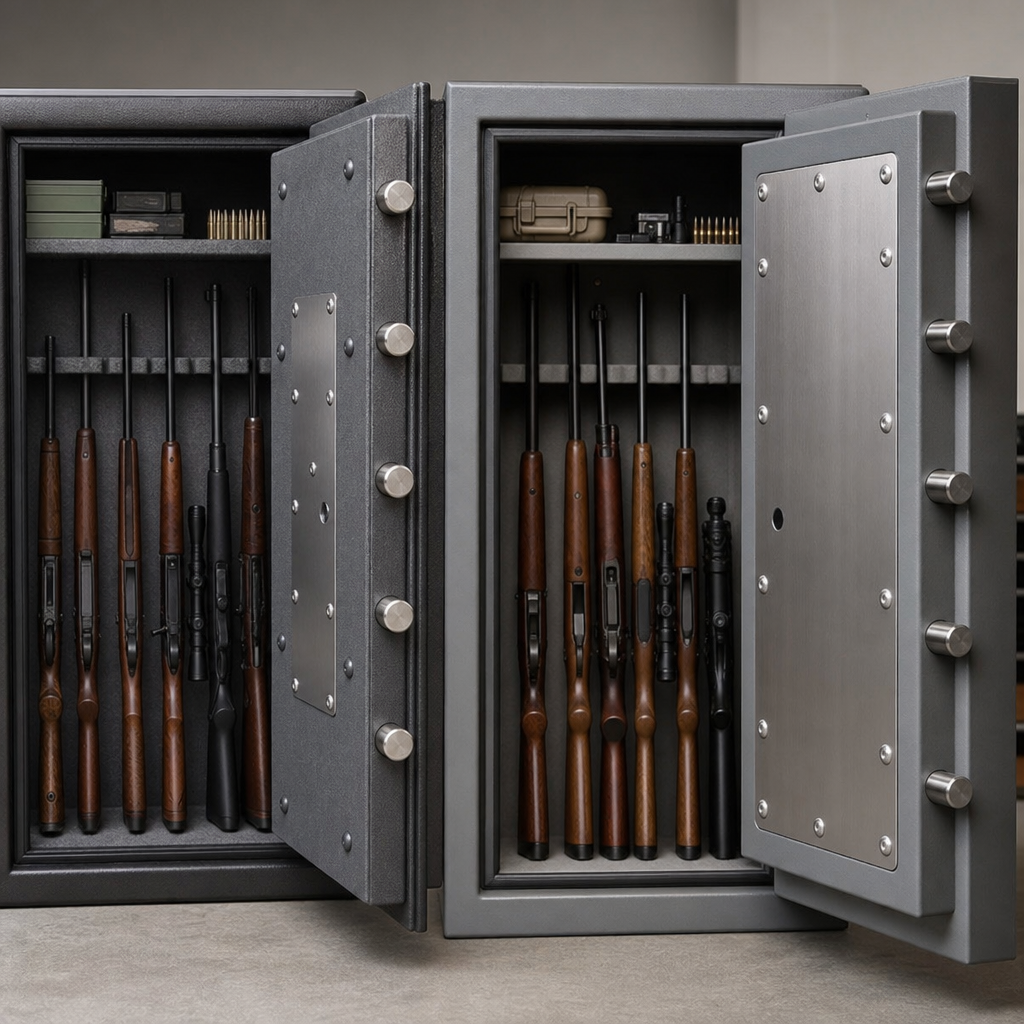
Comparing gun safes with reinforced anti-drill plates starts with understanding what those plates do, how they are built, and why they matter when you are choosing a safe that must resist real burglary methods rather than marketing claims. In the gun safes and safety category, this buying guide sits at the center of the discussion because anti-drill protection affects lock reliability, burglary delay time, long-term value, insurance expectations, and how confidently you can store firearms, ammunition, documents, and other regulated or high-value items at home. A reinforced anti-drill plate is a hardened steel barrier, often paired with hardplate alloys, ball-bearing inserts, relockers, and protected lock bodies, designed to stop or slow a thief who attacks the lock area with carbide bits, hole saws, punches, or prying tools after drilling pilot holes. I have evaluated safes in showrooms, reviewed construction cut sheets, and watched lock attack demonstrations, and the pattern is consistent: many buyers focus on exterior steel thickness and overlook the lock protection package, even though the lock area is the most common attack point on residential gun safes. That mistake matters because a safe with decent body steel but weak drill resistance can fail faster than a heavier-looking model with a stronger hardplate and relocker assembly. If you are shopping within buying guides for gun safes, anti-drill design should be one of the first comparison points, right beside steel gauge, fire rating, boltwork, anchoring, and interior capacity. The goal is not to find a “drill proof” safe, because that term is misleading; the goal is to choose a safe that forces noise, time, heat, and tool changes, increasing the chance that an attacker gives up or gets interrupted before reaching the lock or bolt mechanism.
What reinforced anti-drill plates actually do
Reinforced anti-drill plates protect the lock and critical linkage by placing very hard material between the drill bit and the mechanism that retracts the bolts. In practical terms, they are sacrificial and defensive layers. A criminal typically targets the lock spindle area, relocker trigger, or key points in the bolt cam path. If the plate is properly designed, the drill bit skates, overheats, breaks, or is diverted long enough to make the attack inefficient. Better safes combine hardened steel hardplate with spring-loaded relockers, glass relockers on some premium models, and internal shields that continue protecting the lock case after the outer drill plate is breached. UL-listed mechanical and electronic locks from brands such as Sargent and Greenleaf, SecuRam, and La Gard are only part of the equation; the surrounding armor matters just as much. On entry-level gun safes, you will often see vague language like “drill resistant hard plate” without thickness, hardness, or coverage details. On stronger units, manufacturers may specify manganese plate, carburized hardplate, multiple hardplate layers, or rotating ball-bearing drill deflectors. Those details are meaningful because different materials defeat different attacks. Hardplate can resist standard high-speed bits, while ball bearings can spin under the bit and prevent bite. Some anti-drill systems also protect against punch attacks aimed at disabling the lock. When comparing models, ask where the plate sits, how much area it covers, whether it protects the lock and relocker path, and whether the safe has independent relocking devices that fire if the lock is punched or drilled. A safe that delays drilling only at the exact lock center but leaves adjacent linkage exposed is less secure than its brochure suggests.
How to compare construction, lock protection, and burglary resistance
The smartest way to compare gun safes with reinforced anti-drill plates is to look at the whole attack surface, not a single feature. Start with body steel. Many mass-market gun safes use 14-gauge to 12-gauge bodies, while stronger residential security containers move toward 10-gauge, 7-gauge, or composite construction. Door construction also matters; a thick door skin with reinforced edge channels is usually more valuable than decorative external thickness. Next, evaluate the lock type. Mechanical dial locks have a long service record and no battery dependency, while quality electronic locks offer faster access and user code management. Neither is automatically safer; what matters is the lock’s listing, reliability history, and how it is armored behind the door. Then look at boltwork. Active bolts on multiple sides can improve pry resistance, but the hinge side and door frame design often matter more than the total bolt count. I have seen safes marketed with impressive bolt numbers that still had weak door gaps or thin frames.
Burglary labels give useful context. A UL Residential Security Container rating indicates the safe resisted a defined attack test for a limited time against basic tools. That is better than no rating, but it is not the same as a TL-rated commercial burglary safe, which is tested more aggressively. Most gun safes are not TL-rated because size, weight, cost, and interior layout prioritize firearm storage. Still, some hybrid models borrow commercial features, including serious hardplate and relockers. For a home buyer, the key is matching risk to construction. If your safe is going in an exposed garage, vacation home, workshop, or hunting cabin, anti-drill protection should move higher on your checklist because attackers may have more uninterrupted time and easier power-tool access.
| Feature | Entry-Level Gun Safe | Mid-Range Gun Safe | Higher-Security Gun Safe |
|---|---|---|---|
| Body steel | 14-12 gauge | 12-10 gauge | 7 gauge or composite |
| Anti-drill protection | Single basic hardplate | Hardened plate plus relocker | Multi-layer hardplate, bearings, multiple relockers |
| Lock options | Basic electronic or mechanical | UL-listed electronic or mechanical | Premium UL-listed lock with enhanced shielding |
| Burglary rating | Often unrated | Sometimes RSC | RSC or commercial-inspired design |
| Best use | Low-risk indoor locations | Typical suburban homes | Higher-risk locations or valuable collections |
Use this framework when reading any buying guide in the gun safes and safety subtopic. It gives you a reliable way to compare models across brands, price tiers, and dealer claims without getting distracted by cosmetic upgrades, upholstery, or oversized capacity numbers.
Materials, designs, and brand differences that change performance
Not all reinforced anti-drill plates perform the same because material science and placement determine real resistance. Basic hardplate is usually hardened steel positioned in front of the lock body. Better systems use proprietary alloys or multiple layers with differing hardness so bits dull quickly and heat builds faster. Manganese steel is frequently cited because it is tough and wear resistant. Some manufacturers add free-spinning ball bearings or bearing clusters that turn under contact, preventing a drill bit from biting into a stable surface. In higher-end designs, anti-drill protection is integrated into a larger lock defense package that includes a relocker triggered by lock tampering, a shielded spindle path, and reinforced mounting points around the lock case.
Placement is just as important as material. A small square of hardplate directly over the lock may stop a straightforward attack, but many burglars do not drill the obvious center point. They use known drill patterns based on common lock dimensions or attack adjacent linkage. Stronger safes enlarge the protected zone and place armor over critical internal targets, not just the face of the lock. This is where careful shopping pays off. Brands that publish door cross-sections or allow dealer-side interior photos tend to be easier to evaluate. American Security, Fort Knox, Liberty’s higher lines, Browning’s better-built models, Rhino Metals, and some commercial-style manufacturers all approach lock protection differently. The right comparison is not which brand uses the loudest marketing phrase, but which one explains steel thickness, lock shielding, relocker count, and test standards clearly. If a seller cannot tell you whether the safe has a relocker, how thick the hardplate is, or what lock brand is installed, treat that as a warning sign.
Fireboard insulation can also affect the way a door is assembled, though it does not substitute for burglary protection. Some buyers assume a high fire number means a strong anti-drill package. It does not. Fire protection and burglary resistance are separate engineering goals. The best buying decision weighs both according to your risks, your climate, and whether the safe will store optics, documents, suppressor paperwork, cash, or heirlooms alongside firearms.
Buying guide questions that reveal quality fast
When I help buyers compare gun safes, I use a short list of direct questions because they cut through generic brochures quickly. Ask what exact lock is installed and whether it is UL listed. Ask whether the safe has a hardened drill plate, what material it uses, and whether there are rotating bearings or multiple hardplate layers. Ask how many relockers are present and whether they are mechanical, glass, or spring loaded. Ask the body and door steel thickness in actual gauge or inches, not “military style” language. Ask whether the model has an RSC or other recognized burglary label. Ask where the safe will be anchored, what anchor hardware is recommended, and whether the floor can support the loaded weight. Ask how the door gap and frame are reinforced against pry attacks. Ask whether the warranty covers attempted break-in damage and lock replacement. These questions matter because anti-drill plates work as part of a system, and the system is only as strong as its weakest point.
Also compare dealer setup and support. A well-made safe installed badly can underperform. If a safe is not anchored, thieves may tip it onto its back, gaining leverage or removing it entirely for later attack. In garages, moisture management matters, so include dehumidification and rust prevention in your purchase plan. Interior fit matters too. Long guns with optics, magazine pouches, and tactical stocks reduce real capacity significantly. Most “36-gun” safes store fewer than that comfortably. A crowded interior increases the chance of stock damage and discourages organized storage, which defeats part of the safety goal. As a hub buying guide, this topic connects naturally to deeper articles on lock types, fire ratings, safe installation, humidity control, child access prevention, and capacity planning. Those subjects all influence which anti-drill package is worth paying for.
Cost, tradeoffs, and choosing the right safe for your risk level
Price differences between gun safes with reinforced anti-drill plates reflect more than branding. Better hardplate, thicker steel, stronger door structures, and higher-quality locks all increase manufacturing cost, shipping weight, and installation complexity. For many households, the sweet spot is a mid-range safe with a UL-listed lock, meaningful hardplate, at least one relocker, solid anchoring, and body steel stronger than the cheapest big-box options. That setup is usually appropriate for a typical suburban home where the safe is hidden in a closet, monitored by an alarm, and bolted to concrete. If you own a larger collection, keep NFA paperwork, store valuables beyond firearms, or live in a more isolated property, spending more for heavier steel and a more advanced anti-drill system is justified.
There are tradeoffs. Extremely heavy safes can be difficult to place on upper floors. Electronic locks are convenient but require battery discipline and should come from proven brands. Mechanical locks are slower but durable and predictable. A high fire rating can consume interior space through thicker insulation. A wider safe can improve organization, but a taller, narrower safe may fit a closet better and stay less visible. No gun safe is invulnerable, especially if attackers have hours, abrasive wheels, and privacy. The practical objective is layered delay: alarm system, concealed placement, anchoring, surveillance, limited access, and a safe with reinforced anti-drill protection that defeats the fastest lock attacks. That layered approach is what consistently protects gun owners, not any single brochure feature.
The best takeaway from comparing gun safes with reinforced anti-drill plates is simple: buy based on construction transparency and real attack resistance, not appearance or oversized claims. Start with your risk level, location, and collection value. Then compare steel thickness, lock brand, hardplate design, relockers, burglary rating, anchoring options, and dealer support in that order. A reinforced anti-drill plate is not a minor add-on; it is a core security feature that protects the lock area where many residential attacks begin. When it is paired with sound door construction, reliable boltwork, proper installation, and realistic capacity planning, it materially improves your odds of stopping theft and preventing unauthorized firearm access. Use this buying guide as your hub for every safe decision in the gun safes and safety category, and build your shortlist around models that clearly document how they resist drilling rather than merely claiming they do. Before you buy, ask for specifications in writing, verify the lock and rating details, and choose the safe that matches your actual exposure, not the one with the loudest sales pitch.
Frequently Asked Questions
What is a reinforced anti-drill plate in a gun safe, and why is it important?
A reinforced anti-drill plate is a hardened protective barrier installed around a safe’s lock, relocker area, or boltwork access points to make drilling attacks much more difficult. In practical terms, it is one of the most important features separating a security-focused gun safe from a model that only looks impressive in a showroom. Burglars commonly target the lock area because if they can drill through the outer steel and damage the lock or manipulate internal components, they may be able to open the safe without the combination or key. A properly designed anti-drill plate is intended to slow, frustrate, or defeat that approach.
These plates are often made from hardened steel, ball-bearing steel inserts, carbide-enhanced materials, or layered metal designs that resist standard drill bits. Some safes use a single hard plate, while better-built models may use multiple protective elements in combination, such as a drill-resistant plate plus relockers that trigger if the lock is attacked. That layered design matters because true burglary resistance rarely comes from one component alone. It comes from a system working together.
For gun owners, the importance goes beyond simple theft prevention. A stronger anti-drill system helps protect firearms from unauthorized access, supports better long-term value, and may align more closely with insurer or risk-management expectations depending on your situation. It also gives you a more realistic basis for comparing safes. Many products advertise thick doors, multiple bolts, or tactical styling, but if the lock area is vulnerable to drilling, the safe may not perform as well as the marketing suggests. Anti-drill protection is important because it directly addresses one of the most common real-world burglary methods.
How can I compare gun safes with reinforced anti-drill plates without relying on marketing language?
The best way to compare these safes is to look past broad phrases like “drill resistant,” “heavy-duty protection,” or “reinforced lock area” and instead focus on specific construction details. Start by asking what material the anti-drill plate is made from, how thick it is, where it is located, and whether it protects only the lock body or also the surrounding internal mechanisms. A vague claim tells you very little. A useful specification tells you whether the manufacturer actually engineered the safe to resist attack.
Next, consider the anti-drill plate as part of the entire door security system. A safe with a hardened plate but weak door steel, poor welds, exposed hinge-side vulnerabilities, or minimal boltwork may still be a mediocre choice. You want to know whether the safe includes relockers, hard plates positioned over critical attack points, quality locks from reputable manufacturers, and a door structure designed to resist concentrated tool attacks. If a brand cannot explain how these features work together, that is a sign to be cautious.
Independent testing and burglary ratings are also far more valuable than product copy. If the safe or a related model has been evaluated under recognized standards, that gives you a stronger comparison point than unverified claims. Even if a gun safe does not carry a high commercial burglary rating, manufacturers should still be able to explain what standards were used, what components were tested, and how the anti-drill protection fits into the design. You should also compare warranty terms, lock replacement support, and serviceability, because a safe is a long-term purchase, not just a one-time accessory.
Finally, compare the intended use. A safe for basic household storage may not need the same anti-drill protection as one storing a large firearm collection, high-value optics, regulated items, or ammunition in a location with elevated theft risk. The right comparison is not simply which safe has the most aggressive wording in the brochure. It is which one offers the most credible, well-documented security design for your actual risk level and budget.
Do reinforced anti-drill plates really improve burglary resistance, or are they mostly a premium feature?
Yes, reinforced anti-drill plates can meaningfully improve burglary resistance, provided they are well designed and properly integrated into the safe. They are not just decorative upgrades. Drilling is a common method used to compromise safes because attackers often focus on the lock and the mechanisms that secure the door. If a safe’s lock area is easy to drill, the attack may progress quickly. When a hardened anti-drill plate is added, especially alongside relockers and robust internal protection, the burglar typically needs more time, more specialized tools, and more persistence. That delay can be the difference between a failed attempt and a successful theft.
That said, the improvement depends on quality. Not every anti-drill plate offers the same level of performance. A thin or poorly placed plate may provide limited benefit, while a properly hardened, strategically positioned system can significantly slow an attack. The same is true if the rest of the safe is underbuilt. Burglary resistance is only as strong as the attacker’s easiest path. If the lock area is protected but the door skin is thin, the body steel is weak, or the safe can be easily pried or removed, then anti-drill protection alone does not make the safe highly secure.
This is why buyers should think in terms of delay time rather than absolutes. No residential gun safe is truly “burglar proof.” The real question is how long the safe can resist common attack methods and how much noise, effort, and visibility it creates for the intruder. Reinforced anti-drill plates matter because they directly increase difficulty at one of the most targeted points of entry. In a layered design, they are absolutely a worthwhile feature rather than a cosmetic premium add-on.
What other features should I evaluate alongside anti-drill plates when choosing a gun safe?
Anti-drill protection should be considered one major factor, not the only factor. Door and body steel thickness are critical because the safe must resist cutting, prying, and general forced entry, not just lock attacks. A hardened anti-drill plate loses some practical value if the surrounding steel is easy to defeat. Look for clear specifications on steel gauge, door construction, reinforcement, and whether the safe uses composite layers or upgraded plate steel in high-risk areas.
The lock itself also matters. Whether you choose a mechanical dial lock or an electronic lock, it should come from a reputable lock manufacturer and be paired with relockers or tamper-response components. Relockers are especially important because they can secure the boltwork if the lock is punched, drilled, or otherwise attacked. Boltwork quality, internal linkage design, and how the bolts engage the frame all affect real-world performance. Multiple locking bolts sound good in marketing, but quality and design matter more than quantity alone.
You should also evaluate anchoring capability and the safe’s overall weight. Even a well-built safe can be compromised if it is small enough to remove and attack elsewhere. A gun safe with solid anti-drill protection should still be anchored to concrete or another appropriate structural base whenever possible. Fire protection, interior configuration, corrosion control, and humidity management are also relevant for firearm storage. Security is the first priority, but preserving the condition of your firearms, optics, and ammunition is part of the value equation.
Finally, consider certification, warranty support, replacement parts availability, and the manufacturer’s reputation for standing behind its products. A safe is not just sheet metal and a lock. It is a long-term security system. The strongest buying decision comes from balancing anti-drill resistance with burglary design, fire performance, installation quality, service support, and fit for your collection.
Are reinforced anti-drill plates worth paying more for in a residential gun safe?
In many cases, yes. Paying more for reinforced anti-drill protection is often justified because it addresses a known and practical attack method rather than a hypothetical one. If you are storing multiple firearms, collectible pieces, suppressors where legally owned, expensive optics, important documents, or other valuables, the added protection can make strong financial sense. The cost difference between entry-level and better-built safes is usually small compared with the replacement cost, legal implications, and personal stress associated with firearm theft or unauthorized access.
The value becomes even clearer when you consider long-term ownership. A safe is usually not something you want to replace every few years. Buying a model with stronger anti-drill protection, better lock shielding, and more credible construction can provide better durability, stronger resale value, and greater confidence over time. It may also position you better for insurance discussions, especially if you need to document how firearms and valuables are secured. While insurance requirements vary, more serious security features generally put you in a better position than relying on a basic cabinet or lightly built safe.
That said, “worth it” should still be tied to your risk profile. If you live in an area with elevated burglary rates, have a visible firearm collection, or may be away from home for extended periods, stronger anti-drill protection becomes much easier to justify. If your storage needs are modest, your safe is well concealed, properly anchored, and you are choosing between two otherwise similar models, the price premium may still be worthwhile because lock-area defense is one of the most important weak-point protections you can buy.
In short, reinforced anti-drill plates are usually worth paying for when they are part of a genuinely better safe, not just an upgraded label. The smartest purchase is one where the added cost buys measurable security engineering,