
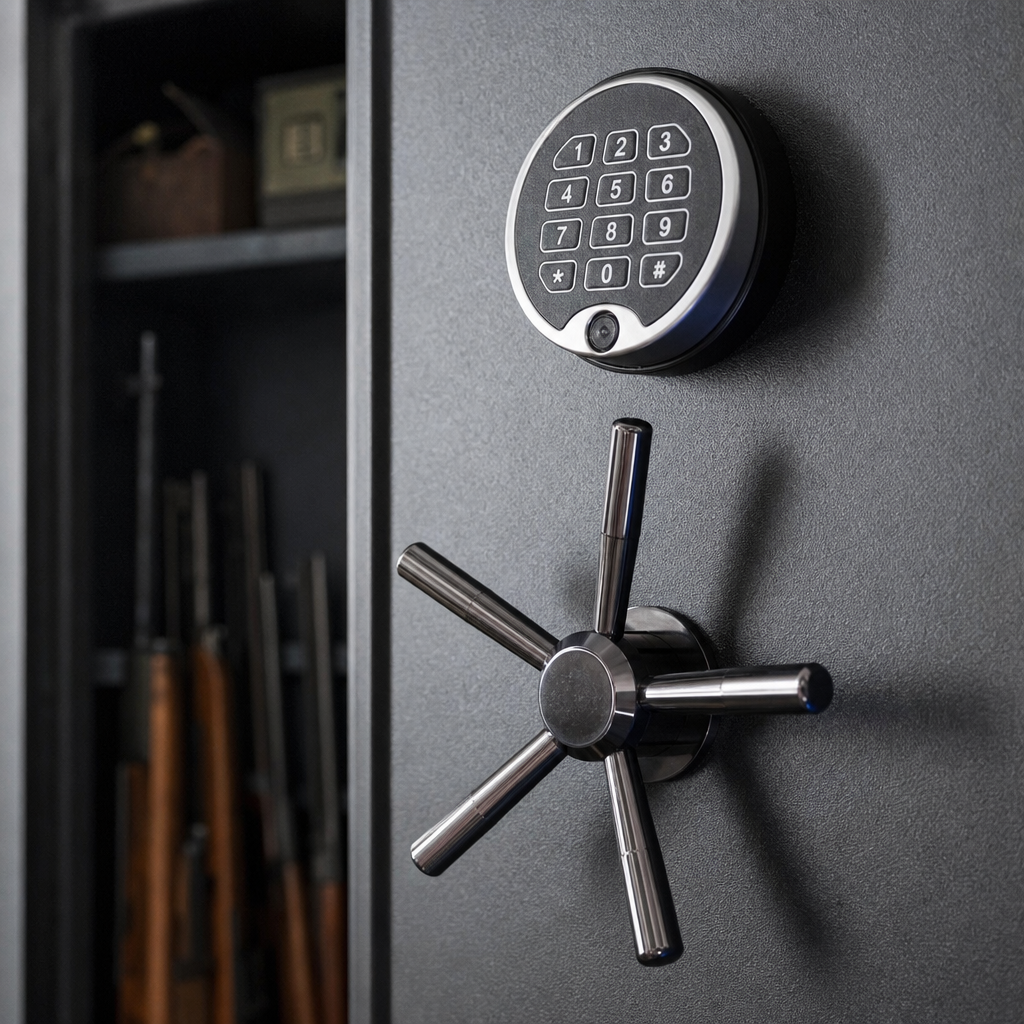
Gun safe locks do wear out over time, but the process is gradual, predictable, and often misunderstood. Many owners assume a lock will either work forever or fail without warning. In practice, lock life depends on lock type, frequency of use, environmental conditions, maintenance habits, and manufacturing quality. In the gun safes and safety category, this question matters because a worn lock is not just an inconvenience. It can delay access in an emergency, create expensive service calls, and weaken confidence in secure firearm storage. Understanding how wear happens also helps separate persistent myths from the facts gun owners need.
When people ask whether gun safe locks wear out, they are usually talking about three different things at once: mechanical wear inside the lock body, electronic failure in keypads or circuit boards, and user-facing symptoms such as sticking bolts, missed entries, or inconsistent opening. A gun safe lock is the device that authenticates the user and allows the boltwork to retract. That lock may be a traditional mechanical dial lock, an electronic keypad lock, a biometric reader, or a redundant design that combines methods. The lock itself is only one part of the system. Handle cams, relockers, spindle assemblies, wiring, and internal linkages also affect reliability.
I have seen owners blame the wrong component many times. A keypad gets called dead when the battery is weak. A mechanical dial gets labeled worn out when the bolt pressure from a packed door is causing binding. A biometric reader is dismissed as junk when the enrolled prints were poor from the start. This matters because the fix for wear is different from the fix for setup, installation, or user error. It also matters because gun safe myths spread quickly. People hear that all electronic locks fail early, that dials never wear out, that heavy steel means every component is built for life, or that a backup key solves every problem. None of those claims holds up under inspection.
This hub article covers the most common misconceptions surrounding gun safe locks and explains what actually shortens or extends service life. It also points toward the bigger issue behind the question: a safe is a system, not a box with a door. Reliable access depends on good lock design, proper installation, routine checks, realistic expectations, and replacement before failure becomes urgent. If you want a clear answer in one sentence, here it is: yes, gun safe locks wear out over time, but most failures can be anticipated and prevented when you understand the lock type and treat maintenance as part of firearm safety.
How Gun Safe Locks Wear and What “Wear Out” Really Means
Wear is the gradual loss of reliable function caused by friction, electrical degradation, contamination, impact, corrosion, or fatigue. In mechanical dial locks, wear usually appears in contact points such as wheels, fences, lever noses, spindles, and drive cams. Quality mechanical locks from manufacturers such as Sargent and Greenleaf or La Gard can last decades, but decades is not the same as forever. Repeated dialing, vibration from door slamming, dirt, rust, and poor servicing all accelerate deterioration. The lock may still open, yet tolerances widen and operation becomes less consistent. That is wear, even if total failure has not happened.
Electronic gun safe locks wear differently. Buttons lose tactile response. Membrane pads crack. Battery contacts corrode. Ribbon cables fatigue. Solenoids cycle thousands of times and eventually weaken. Circuit boards suffer from moisture, static discharge, or cheap components. In most field cases, the first signs are intermittent behavior rather than sudden death: delayed beeps, partial key registration, random lockouts, or a code that works only after multiple attempts. Owners often miss these warnings because they assume electronics are either on or off. In reality, electronic locks often degrade in stages.
Biometric locks add another layer. The sensor surface can scratch, oils can interfere with scans, and low-end algorithms create false rejects that feel like mechanical failure. This is one reason biometric locks generate strong opinions. A poor biometric lock can be frustrating from day one, while a well-made unit properly enrolled and regularly cleaned can work dependably. The issue is not whether biometrics are magic or worthless. The issue is sensor quality, template storage, fallback access method, and how often the owner actually tests the lock under realistic conditions.
One practical point many buyers overlook is duty cycle. A bedside handgun safe opened twice a day accumulates far more cycles than a long-gun safe opened once a week. Lock lifespan is partly about years, but heavily about use count. That is why two safes purchased on the same date may age very differently. Cycle count, climate, and care tell the real story.
Common Gun Safe Myths and the Facts Behind Them
The first myth is that mechanical dial locks never fail. They can be exceptionally durable, and many locksmiths still trust them for long service life, but they absolutely can wear, drift out of tolerance, bind under pressure, or fail after poor servicing. Another myth says electronic locks are disposable and unreliable by definition. That is also false. High-quality electronic locks from established brands often provide years of reliable use when batteries are changed on schedule and the safe is kept dry. The real distinction is not mechanical versus electronic in the abstract. It is quality level, environment, installation, and maintenance.
A third misconception is that lock failure always means someone tried to break in. In my experience, most failures come from neglect, dead batteries, user error, or normal aging. Forced entry leaves clues. Routine wear leaves symptoms. Knowing the difference helps owners respond appropriately. A fourth myth is that a safe that still opens does not need service. Many locks fail after a long period of warning signs that were ignored. Stiff dialing, inconsistent beeps, handle binding, and code lag are not minor annoyances. They are maintenance signals.
The fifth myth is especially dangerous: if the safe is heavy and expensive, every internal component is premium. Safe marketing often emphasizes steel thickness, fire lining, and external finish more than the lock model itself. Yet the lock is the daily interface and one of the most failure-sensitive parts in the system. Buyers should look for a UL-listed lock, confirm the manufacturer and model, and ask whether replacement parts and service are readily available. Weight and paint do not prove lock quality.
| Myth | Reality | What Owners Should Do |
|---|---|---|
| Mechanical locks last forever | They often last a long time, but moving parts still wear | Watch for dialing changes and schedule service when operation becomes inconsistent |
| Electronic locks always fail early | Good units can be highly reliable if batteries and environment are managed | Use quality batteries, test monthly, replace at the first sign of lag |
| Biometric locks are either perfect or useless | Performance depends on sensor quality, enrollment, and backup entry method | Enroll multiple prints and verify function under normal daily conditions |
| A heavy safe means a premium lock | Lock quality varies widely even on expensive safes | Check listing status, lock brand, and parts availability before buying |
What Shortens Lock Life in Real-World Use
Humidity is a major factor. Even in climate-controlled homes, safes placed in garages, basements, workshops, or coastal properties face elevated moisture exposure. Corrosion attacks battery terminals, circuit traces, and fine metal interfaces inside mechanical locks. That is why dehumidifiers, desiccant packs, and stable room placement matter. Heat swings also matter because expansion and contraction can affect alignment and condensation. A safe in a damp garage ages faster than one in a conditioned bedroom closet, even if both are identical models.
User behavior is another major contributor. Slamming the door, forcing the handle against locked bolts, spinning a dial aggressively, or repeatedly entering the wrong code under stress all increase wear. I have also seen owners overload door organizers so heavily that the door sags slightly and changes bolt pressure. The lock then gets blamed for a problem created by alignment. In long-gun safes, packed interiors can press against the door liner or boltwork, creating resistance during opening and closing. Lock stress is often a symptom of overall system stress.
Cheap batteries create avoidable trouble. Carbon-zinc cells, old stock alkaline batteries, and mixed-brand replacements can leak or provide unstable voltage. Most lock makers recommend fresh name-brand alkaline batteries, while some newer designs support lithium chemistry if explicitly approved. The battery schedule should be preventive, not reactive. Waiting for the lock to chirp weakly or flash a low-battery icon is poor practice on a safe that stores defensive firearms.
Improper service also shortens lock life. Safe owners sometimes spray household lubricants into a dial ring, keypad seam, or bolt edge. That can attract grit, gum up parts, or damage plastics and finishes. Mechanical safe locks generally require specific servicing procedures by a qualified safe technician, not random oiling. Electronic locks usually need inspection, battery care, and environmental control more than lubrication. Wrong maintenance can be worse than no maintenance.
Warning Signs, Maintenance Intervals, and Replacement Decisions
The clearest warning signs are inconsistency and change. If the keypad sometimes misses digits, if the dial feel becomes rough or unusually loose, if the handle opens only when pulled a certain way, or if opening takes more attempts than it used to, treat that as early evidence of wear or misalignment. A lock should feel boringly repeatable. Predictability is the benchmark. When routine access becomes quirky, the problem has already started.
For maintenance, a practical rule is monthly user testing and periodic professional inspection based on usage. Test the lock with the door open after battery changes, code changes, or any move. Replace batteries at least annually for frequently used electronic locks, and sooner for heavy-use handgun safes. Inspect for corrosion, keypad loosening, delayed response, and unusual sounds. For mechanical locks, any significant change in dialing feel warrants evaluation. If the safe is mission-critical, proactive lock replacement after many years of hard use can be smarter than waiting for failure.
Replacement decisions should be based on risk, not just age. A ten-year-old electronic lock on a bedside safe opened daily may deserve replacement sooner than a twenty-year-old mechanical lock on a rarely accessed document safe. Parts support is another key factor. If the lock model is discontinued and service parts are scarce, replacement before failure is prudent. When advising owners, I focus on access reliability first, burglary resistance second, and convenience third. A lock that is secure but erratic is not doing its job.
How to Choose a Durable Lock and Build a Safer Ownership Routine
If you are buying a new gun safe, start by identifying the use case. Fast-access pistol safes benefit from simple, proven electronic or mechanical push-button designs with strong cycle ratings. Large long-gun safes often suit either mechanical dials or higher-end electronic locks, depending on how often the owner needs quick access. Verify that the lock is listed by a recognized testing body such as UL, and buy from manufacturers with established service networks. Ask a direct question many shoppers skip: if this lock fails in seven years, who can replace it locally and what parts are available?
A durable ownership routine is straightforward. Keep the safe in a stable indoor environment when possible. Use a dehumidifier or desiccant. Change batteries on a calendar, not when you remember. Test the lock with the door open after any change. Keep the boltwork area free from interference. Do not force the handle. Record the lock model, serial details if present, code change procedure, and technician contact information in a secure off-safe location. If your safe uses biometrics, enroll multiple fingers from both hands and confirm that another approved entry method works.
Gun safe myths persist because locks are expected to disappear into the background until the worst possible moment. The better approach is to treat lock reliability as an active part of firearm safety planning. Gun safe locks wear out over time, but they rarely do so without clues. Understand the lock type, buy for quality instead of marketing, maintain the environment, and respond early to changes in performance. As the hub for gun safe myths and misconceptions, this page points to a simple takeaway: most lock problems are manageable when owners replace assumptions with inspection, testing, and preventive service. Review your safe today, note any warning signs, and schedule maintenance before reliability becomes a gamble.
Frequently Asked Questions
Do gun safe locks really wear out over time?
Yes. Gun safe locks do wear out over time, but usually not in the sudden, dramatic way many people imagine. Most locks decline gradually as internal parts experience normal friction, repeated use, small alignment changes, and long-term exposure to dust, humidity, temperature swings, or lack of maintenance. Mechanical dial locks can develop wear in components such as wheels, levers, springs, and contact points. Electronic locks can also age, not only in their buttons and keypad membrane, but in internal circuits, battery contacts, solenoids, and wiring connections. Even high-quality locks are still working systems with moving or sensitive parts, which means they are not immune to age.
What often causes confusion is that many safe owners use their safe infrequently, so the lock may seem “like new” for years. Then subtle warning signs begin to appear, such as a dial that feels rough, a keypad that occasionally misses entries, a handle that binds after the correct code is entered, or a lock that takes more than one attempt to open. Those are not random quirks. They are often early indicators that the lock or related boltwork is starting to wear. In most cases, the process is predictable enough that attentive owners can address it before a full lockout occurs.
How long does a gun safe lock typically last?
There is no single lifespan that applies to every gun safe lock because durability depends on several factors: lock type, build quality, frequency of use, environmental conditions, and maintenance habits. A premium mechanical lock that is properly installed and rarely used may perform reliably for decades. A lower-quality electronic lock that is opened multiple times a day in a humid garage may show problems much sooner. In other words, calendar age matters, but use conditions matter just as much.
Mechanical locks are often praised for longevity because they do not depend on batteries or electronics, but that does not mean they last forever without service. Wear can slowly affect dialing precision and internal timing. Electronic locks offer speed and convenience, but they may be more sensitive to battery neglect, corrosion, moisture, or heavy keypad use. Some biometric models add another layer of complexity because sensors can become less reliable as surfaces age or get dirty. The practical takeaway is that owners should stop thinking in terms of “this lock should last forever” and instead think in terms of “this lock should be inspected, tested, and eventually serviced or replaced before failure becomes likely.”
What are the warning signs that a gun safe lock is wearing out?
The most important warning sign is inconsistency. A healthy lock should behave the same way every time. If your safe sometimes opens smoothly and sometimes does not, pay attention. On a mechanical lock, warning signs may include a dial that feels stiff, loose, gritty, or unusually easy to over-rotate; numbers that seem harder to hit accurately; or a lock that opens only when the combination is dialed very carefully or repeated multiple times. On an electronic lock, common red flags include delayed response after code entry, intermittent beeping, buttons that need to be pressed harder than normal, a keypad that occasionally fails to register digits, or a lock that works only after changing batteries more often than expected.
You may also notice symptoms that seem unrelated to the lock at first, such as a handle that binds, increased resistance when retracting bolts, or the need to push or pull the door slightly while opening. In some cases, the issue is not the lock body alone but a combination of lock wear, boltwork misalignment, door sag, or installation stress. That is why repeated “minor annoyances” should not be ignored. A lockout rarely feels minor once you cannot get into the safe. If operation changes from its normal pattern, that is the right time to have the lock and safe mechanism evaluated by a qualified safe technician.
Can maintenance extend the life of a gun safe lock?
Absolutely. While maintenance cannot stop all wear, it can significantly reduce unnecessary strain and help detect problems early. The right maintenance approach depends on the lock type. For electronic locks, the most basic but important step is replacing batteries on a regular schedule using the battery type recommended by the manufacturer. Weak or leaking batteries can create symptoms that mimic lock failure and can also damage contacts. Keeping the keypad clean and dry, avoiding cheap batteries, and not slamming the safe door can also help preserve function over time.
For mechanical locks, owners should avoid do-it-yourself lubrication unless the manufacturer or a qualified technician specifically recommends it. Many safe lock issues are made worse by applying household oils, sprays, or graphite in the wrong place. Proper maintenance often means periodic professional inspection rather than amateur repair. More broadly, keeping the safe in a climate-controlled environment, reducing humidity, checking for door alignment issues, and operating the lock gently and consistently all help extend service life. The goal is not just to make the lock last longer, but to keep it operating predictably so you are not surprised by preventable failure.
Should you replace a worn gun safe lock before it fails completely?
In most cases, yes. Replacing a lock proactively is almost always cheaper, easier, and less stressful than dealing with a lockout after complete failure. When a safe lock fails unexpectedly, the result can be more than an inconvenience. It can delay access to firearms, documents, or emergency items when timing matters. It can also lead to costly service calls, drilling, repair work, refinishing, or temporary loss of use. A planned replacement gives you control over timing, lock selection, and installation quality.
This is especially important if the lock is already showing symptoms of wear, the safe is heavily used, the lock is from a lower-end manufacturer, or the safe protects items you may need quickly. Many owners wait too long because the lock still “mostly works.” That is a risky standard for something tied directly to security and access. If your lock has become inconsistent, is aging under harsh conditions, or simply has a long service history with no inspection, replacing it before failure is a smart preventive decision. A qualified locksmith or safe technician can help determine whether the issue is true lock wear, boltwork misalignment, or another serviceable problem, and recommend whether adjustment, repair, or full replacement is the best next step.