
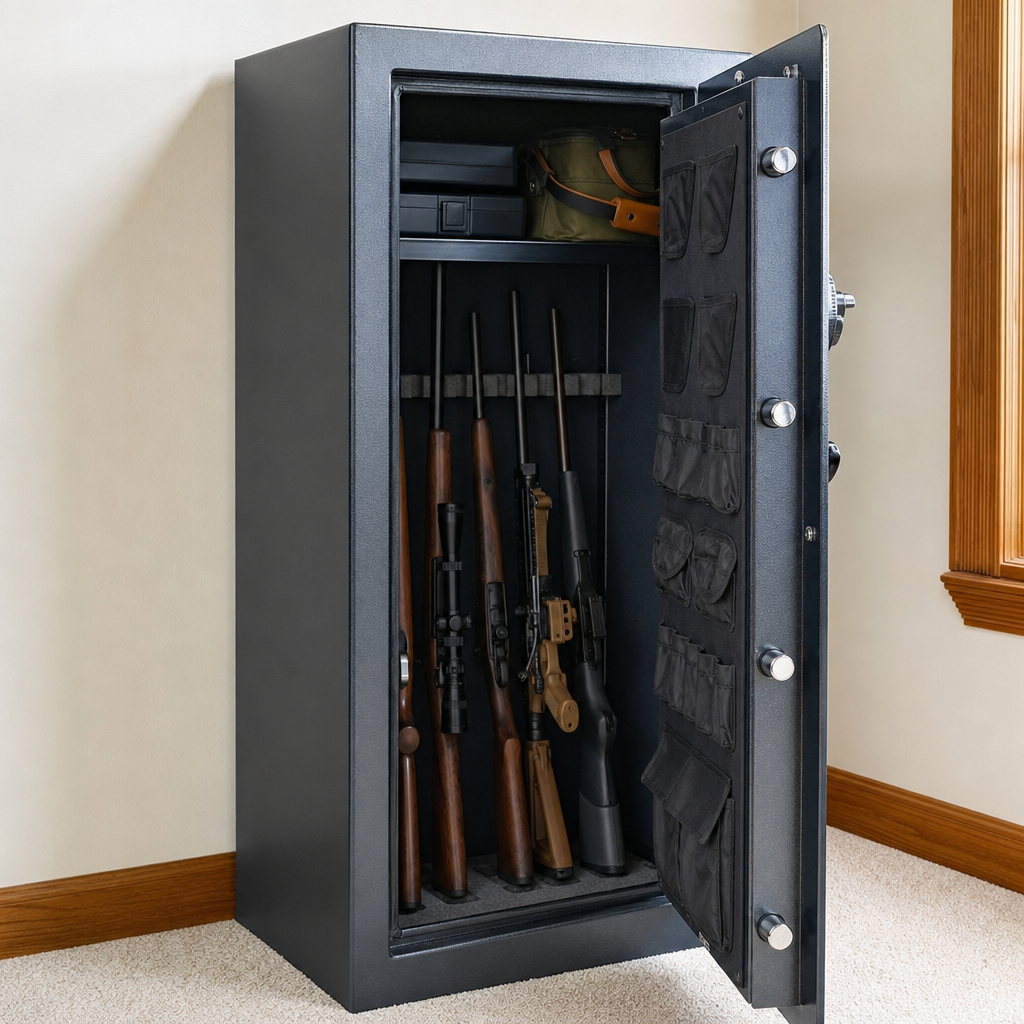
Do you really need to bolt down your gun safe? In most homes, the practical answer is yes, because anchoring a safe reduces the chance of tip-over injuries, slows down theft, and helps the safe perform the way its maker intended. Yet this question sits inside a larger cluster of gun safe myths and misconceptions that confuse buyers, especially first-time owners trying to balance security, access, floor strength, fire protection, and local requirements. I have installed, moved, and evaluated residential gun safes in garages, closets, second-floor rooms, and dedicated safe rooms, and the same misunderstandings appear repeatedly. People assume a heavy safe cannot be stolen, that fire ratings mean the same thing across brands, that any lock is equally secure, or that a safe in a hidden corner does not need anchors. Those assumptions create real risk. A gun safe is a security container, not a magical object. Its effectiveness depends on placement, construction, anchoring, humidity control, access planning, and realistic expectations about what it can and cannot stop. This hub article explains the core myths in plain language, beginning with the bolt-down question and expanding into the broader safety issues every owner should understand before buying, installing, or upgrading a safe.
Why bolting down a gun safe matters more than most owners expect
Bolting down a gun safe matters for two main reasons: theft resistance and physical safety. In burglary investigations, thieves rarely try to defeat a safe perfectly in place if they can instead tip it over, pry at the door seam from above, or haul the entire unit away for later attack with better tools and more time. That is especially true for lighter residential security containers in the 300 to 900 pound range. With an appliance dolly, pry bars, and two or three people, many can be moved surprisingly fast. Weight helps, but weight alone is not a substitute for anchoring. Once a safe is anchored into concrete or through a reinforced wood floor into joists, the attack changes. The thief must work in the room, under pressure, making noise, and consuming time.
The second reason is tip-over prevention. A gun safe is front-heavy when the door opens, and the risk increases when long guns are stored in the door organizer or on forward racks. I have seen safes shift during installation and become unstable when opened on slightly uneven surfaces. Manufacturers often pre-drill anchor holes because they expect anchoring as part of normal installation, not as an optional extra. For households with children, guests, or service workers, preventing a crush hazard matters as much as preventing unauthorized firearm access. Bolting down is therefore not just anti-theft practice; it is basic household safety.
There are exceptions. A very large safe installed in a purpose-built vault room, or a commercial-grade unit integrated into concrete construction, may rely less on floor anchors. Renters may also face restrictions. But for the average homeowner using a residential gun safe, bolting down is the default recommendation because it addresses the most common failure points with the least complexity.
Common gun safe myths and the reality behind them
The biggest myth is that “heavy means secure.” Heavy safes are harder to move, but security depends on steel thickness, door construction, lock quality, relockers, hard plate protection, hinge design, and anchoring. A 700 pound safe built with thin sheet steel can still be peeled open or removed if left unsecured. Another common myth is that “fireproof” means permanent protection in any fire. In reality, fire ratings vary widely by temperature, duration, testing method, and whether the test is independent or simply a manufacturer standard. A 30-minute rating and a 120-minute rating are not interchangeable, and humidity after a fire can damage firearms even if the safe interior stayed below target temperature.
Owners also believe that a hidden safe does not need serious installation. Concealment helps, but hidden does not equal secure. Burglars search primary bedrooms, offices, garages, and closets first because those locations often contain cash, jewelry, and firearms. Another misconception is that biometric locks are always better because they are fast. Speed is useful, but fingerprint sensors vary in reliability depending on finger condition, battery health, and enrollment quality. Good biometric systems can work well; poor ones introduce access failures that mechanical or quality electronic keypad systems may avoid.
A final myth is that buying the largest advertised capacity solves future storage needs. Gun safe capacity numbers are usually optimistic, assuming unscoped rifles placed tightly together. In practice, optics, slings, magazines, and door organizers reduce usable space. If a safe is rated for 24 long guns, many owners find practical capacity closer to 12 to 16. Misunderstanding capacity leads to cluttered storage, damaged optics, and awkward access during emergencies.
How to evaluate a gun safe beyond marketing claims
Serious evaluation starts with construction details, not branding alone. Ask about body steel gauge, door plate thickness, total door edge thickness, and whether the locking bolts are active on multiple sides or simply decorative on the hinge side. Look for hard plate over the lock, internal relockers, and continuous weld quality. A safe marketed for firearms may still be a residential security container rather than a true burglary-rated safe. That does not make it useless, but it changes expectations. For many households, a well-made residential gun safe is appropriate if combined with smart placement, anchoring, alarm coverage, and layered home security.
Lock choice should match your use case. Mechanical dial locks are durable and proven, but slower under stress and more demanding in low light. Electronic keypad locks offer fast access and easy code changes, provided the lock is from a reputable maker such as SecuRam, Sargent and Greenleaf, or La Gard. Biometric locks can be valuable for quick-access handgun safes, but I advise clients to treat biometric access as one layer, not the only layer, unless the model has an excellent track record and backup entry method. Interior layout matters too. Adjustable shelving, barrel rests, and door storage should support the firearms you actually own, not a catalog image of unscoped hunting rifles.
| Claim | What to Check | Practical Reality |
|---|---|---|
| “Heavy safe” | Anchor holes, steel thickness, moving risk | Weight helps, but unsecured safes can still be tipped or removed |
| “Fireproof” | Time, temperature, test standard, door seals | Ratings differ widely and do not guarantee survival in every fire |
| “24-gun capacity” | Scoped rifles, shelf layout, door organizer depth | Real capacity is often much lower than advertised |
| “Biometric access” | Sensor quality, battery plan, backup entry | Fast when reliable, frustrating when poorly implemented |
| “Pry resistant” | Door gap, frame design, anchoring method | Pry resistance improves sharply when the safe cannot be laid down |
Third-party standards provide useful context. In the United States, many consumer gun safes are evaluated as residential security containers under UL 1037 rather than burglary safes under higher cash-safe classifications. That distinction matters because it describes the expected attack resistance. Marketing often blurs this line. The safest approach is to read the label, review the warranty carefully, and inspect the actual specifications before purchase.
Best places to install a gun safe and where owners go wrong
Location affects both security and safe longevity. Ideal placement balances concealment, structural support, moisture control, and anchor quality. Ground-floor interior corners are often strong choices because they give two walls of resistance, make prying harder, and usually provide better load support than a random second-floor position. Concrete slabs in basements or garages simplify anchoring, though garages bring temperature swings and higher humidity. If using a garage, add a dehumidifier rod or desiccant system and keep the safe away from direct vehicle splash, fertilizer, and exterior-facing heat extremes.
Closets are popular, but owners often overlook floor structure. A safe concentrated over weak subflooring can create long-term sag or installation problems. Before placing a 1,000 pound safe upstairs, calculate the live and dead load and consult a contractor or structural engineer if there is any doubt. Hiding the safe behind clothing may reduce visibility, yet tight closets can make proper anchoring difficult if installers cannot access the base holes or swing tools correctly. I have also seen owners place safes where the door cannot open fully, which limits rack access and encourages unsafe stacking inside.
The worst placements are often the most convenient: exposed garage walls visible when the door opens, damp outbuildings without climate control, and spots near windows where thieves can assess the safe before entering. Good installation also means integrating the safe into the home security plan. A monitored alarm, motion sensors, exterior lighting, and cameras make a bolted safe far more effective because they shorten the time available for attack.
What bolting down involves on concrete and wood floors
On concrete, most installers use wedge anchors or concrete anchors sized to the manufacturer’s recommendations, commonly through pre-drilled holes in the safe floor. The slab should be sound, not crumbling, and thick enough for the anchor depth. Proper torque matters. Over-tightening can damage anchors or distort the safe floor; under-tightening reduces holding strength. In garages or basements, sealing exposed anchor points helps limit moisture issues around the hardware. On wood floors, the goal is to tie the safe into structural members, not just subfloor panels. Through-bolting with backing plates or lagging into joists is stronger than fastening only into plywood or OSB.
Owners sometimes worry that drilling the safe floor reduces fire protection. In most residential models, the factory anchor holes are expected and usually capped or covered as part of the design. Follow the manufacturer’s instructions. Another concern is rental property damage. If permanent anchoring is not allowed, consider negotiating approval, using a reinforced closet platform tied to framing, or selecting a smaller rapid-access safe for temporary needs while storing long guns in a compliant off-site or alternative secured arrangement. There is no perfect workaround equal to direct anchoring, but there are better and worse compromises.
Professional installation is often worth the cost for larger units. Experienced crews manage stair climbs, floor protection, door removal, reassembly, leveling, and anchor selection efficiently. More important, they reduce the injury risk that comes with moving several hundred pounds of top-heavy steel through finished living spaces.
Safety, access, and maintenance myths that affect daily ownership
Buying the safe is only the start. One myth is that once firearms are locked up, maintenance becomes secondary. In fact, interior humidity management is essential. Even in climate-controlled homes, enclosed spaces can trap moisture, especially when a safe sits against an exterior wall or in a garage. GoldenRod-style dehumidifier rods, rechargeable desiccants, and periodic hygrometer checks prevent rust and wood stock swelling. Another misconception is that all family members should know the combination “just in case.” Access should be limited to authorized, trained adults with a documented plan for emergencies, code changes, and battery replacement schedules for electronic locks.
Quick access and secure storage are not opposites, but they require planning. Many households benefit from two safes: a larger anchored long-gun safe for primary storage and a dedicated quick-access handgun safe for defensive use. That setup reduces unnecessary opening of the main safe and lowers the chance of disorganized storage. It also supports safer ammunition and document segregation. Routine checks matter as well. Test the lock, inspect anchor tightness, confirm door seal condition, and review inventory records with serial numbers and photos stored securely off-site or in encrypted cloud storage. If a theft, fire, or insurance claim happens, documentation becomes critical.
What this hub means for smarter gun safe decisions
The bolt-down question is the right place to start because it exposes the broader truth about gun safe ownership: security comes from systems, not slogans. A gun safe should be judged by construction quality, anchoring, location, lock reliability, fire performance, capacity realism, and maintenance discipline. If you remember only one point, remember this: an unsecured safe is easier to steal, easier to pry, and more dangerous to tip. That single fact cuts through many of the myths that surround residential firearm storage.
As the hub for gun safe myths and misconceptions, this article establishes the baseline for every related topic under gun safes and safety. When you compare lock types, question fire ratings, choose a room, estimate floor load, or decide between hiding and hardening, return to the same standard: what reduces real-world risk in your home? In most cases, the answer includes bolting the safe down, controlling humidity, limiting access, and layering home security around the safe rather than expecting the box alone to solve everything.
If you own a gun safe now, inspect its installation this week. Check whether it is anchored correctly, whether the location still makes sense, and whether the lock, interior layout, and humidity control match the firearms you store today. If you are shopping for your first safe, use this hub as your starting framework and make decisions based on tested features, not myths.
Frequently Asked Questions
Do you really need to bolt down your gun safe in a typical home?
In most homes, yes—you should bolt down your gun safe unless the manufacturer specifically says otherwise or your installation conditions require a different approved method. Anchoring a safe does three important things at once: it helps prevent tip-over accidents, makes theft much harder, and allows the safe to function more like it was designed to function. Many residential gun safes are extremely heavy, but “heavy” does not mean impossible to move. Thieves often use pry bars, dollies, pipes, or leverage to shift a safe, especially if it is not attached to the floor. Once a safe is laid on its back or side, it can become easier to attack with tools. Bolting it down removes that advantage.
There is also the safety issue. A tall, narrow safe can become unstable if the door is opened wide, if weight is unevenly distributed inside, or if children pull on shelves or the door. Proper anchoring greatly reduces the chance of a serious tip-over injury. Beyond that, many safe makers test and rate their products assuming the unit is installed correctly, which often includes anchoring. So while there are a few exceptions—such as certain very large safes on specific slabs or specialty installations—the practical answer for most first-time buyers is simple: yes, bolt it down if you can do so according to the manufacturer’s instructions and the floor structure can support it safely.
If a gun safe already weighs several hundred pounds, why isn’t that enough to stop theft?
Weight helps, but weight alone is not a complete security strategy. Residential gun safes often weigh anywhere from a few hundred pounds to over a thousand pounds, which sounds reassuring until you consider how easily multiple people can move a large object with the right equipment. Appliance dollies, lifting straps, pry bars, sections of pipe, and even furniture sliders can let thieves shift a heavy safe surprisingly quickly. Criminals do not always try to open a safe on site. In many cases, the goal is to remove it from the home and attack it later where they have more time, more tools, and less chance of being interrupted.
Anchoring changes that equation. A bolted safe cannot simply be tipped back and wheeled away without first breaking the anchors, destroying the surrounding floor, or spending far more time making noise. That extra time matters. Most residential break-ins are fast, opportunistic, and chaotic. Thieves want valuables they can grab and go. If your safe is properly anchored in a tight location—such as a closet corner or alcove—the difficulty increases even more because attackers have less space to use pry bars or leverage. So while a heavy safe is better than a light cabinet, a heavy safe that is also bolted down is meaningfully more resistant to real-world theft.
Can bolting down a gun safe damage the floor or create problems on wood, concrete, or upper levels?
It can if it is done carelessly, but when done properly, bolting down a safe is a standard installation practice and does not automatically mean your floor will be harmed. The right method depends on the surface. On a concrete slab, installers typically use the anchor holes provided by the manufacturer and secure the safe with concrete anchors sized to the safe and the slab condition. On wood subfloors, the goal is usually to fasten into structural framing or use an approved reinforcement method rather than relying only on thin flooring material. Upper-floor installations require even more attention because total load, footprint, and joist direction all matter. A safe’s weight concentrated over a small area is different from the same weight spread across a larger base.
The mistake people make is treating every floor the same. A concrete basement slab is not the same as engineered wood over a crawlspace, and a first-floor corner over a foundation wall is not the same as the center of a long-span room. If you are unsure, check the manufacturer’s instructions and consult a qualified installer or contractor, especially for large safes on upper levels. You may need a load-distributing platform, proper shimming, or an alternate location. In short, bolting down does not inherently create problems; poor planning does. A correct installation protects both the safe and the structure better than a heavy, unsecured safe sitting freely on a finished floor.
Will bolting down your gun safe affect fire protection, moisture, or access in everyday use?
Bolting down a safe does not usually reduce fire protection when the installation is done correctly, but it can affect other practical factors you should plan for in advance. Fire ratings on residential safes are already a complicated subject, and safe performance depends on more than just an advertised number. Location, surrounding materials, installation quality, and whether the safe remains upright during a fire all matter. Anchoring can actually help in that sense because it reduces the chance of the safe tipping, shifting, or falling through a weakened floor in certain conditions. However, any holes used for anchoring should align with the manufacturer’s design, and you should follow their guidance on hardware and seal areas if required.
Moisture is a separate issue. In basements, garages, or other humid spaces, anchoring a safe directly to concrete may increase the need for moisture management. That does not mean you should skip bolting it down; it means you should use smart preventive measures such as a dehumidifier rod, desiccants, airflow space where appropriate, and possibly a moisture barrier or riser approved for your setup. As for access, a bolted safe is generally easier to live with because it stays where you put it, opens more predictably, and does not shift under load. The key is choosing the right placement before installation—one that allows the door to open fully, gives you comfortable access to firearms and documents, and still limits pry access from the sides or rear.
Are there situations where you might not bolt down a gun safe, and what should you do instead?
Yes, there are some situations where a traditional bolt-down installation may not be practical or may require an alternative approach. Renters may not be allowed to drill into floors. Historic homes, radiant-heated slabs, tile over fragile substrates, post-tension concrete, and certain upper-floor installations can all complicate standard anchoring. Some very large, high-mass safes placed in exceptionally secure locations may be less dependent on floor anchoring than smaller residential units, though even then anchoring is often still recommended. The important point is that “don’t bolt it down” should be the result of an informed installation decision, not an assumption that the safe is heavy enough on its own.
If standard anchoring is not possible, improve security in other ways. Place the safe in a corner, closet, or recessed area that limits tool access. Use wall anchoring if the manufacturer permits it and the structure supports it. Increase concealment, improve alarm coverage, add cameras, reinforce entry points, and avoid advertising the safe’s location. You can also choose a safe with a larger footprint, thicker steel, better door construction, and more robust lock protection to offset some of the risk. For households with children, the anti-tip issue remains critical even if theft is your main focus, so evaluate stability carefully. Bottom line: most homes benefit from bolting down a gun safe, but when that is not feasible, the answer is not to ignore the risk—it is to build a layered installation and security plan around that limitation.