
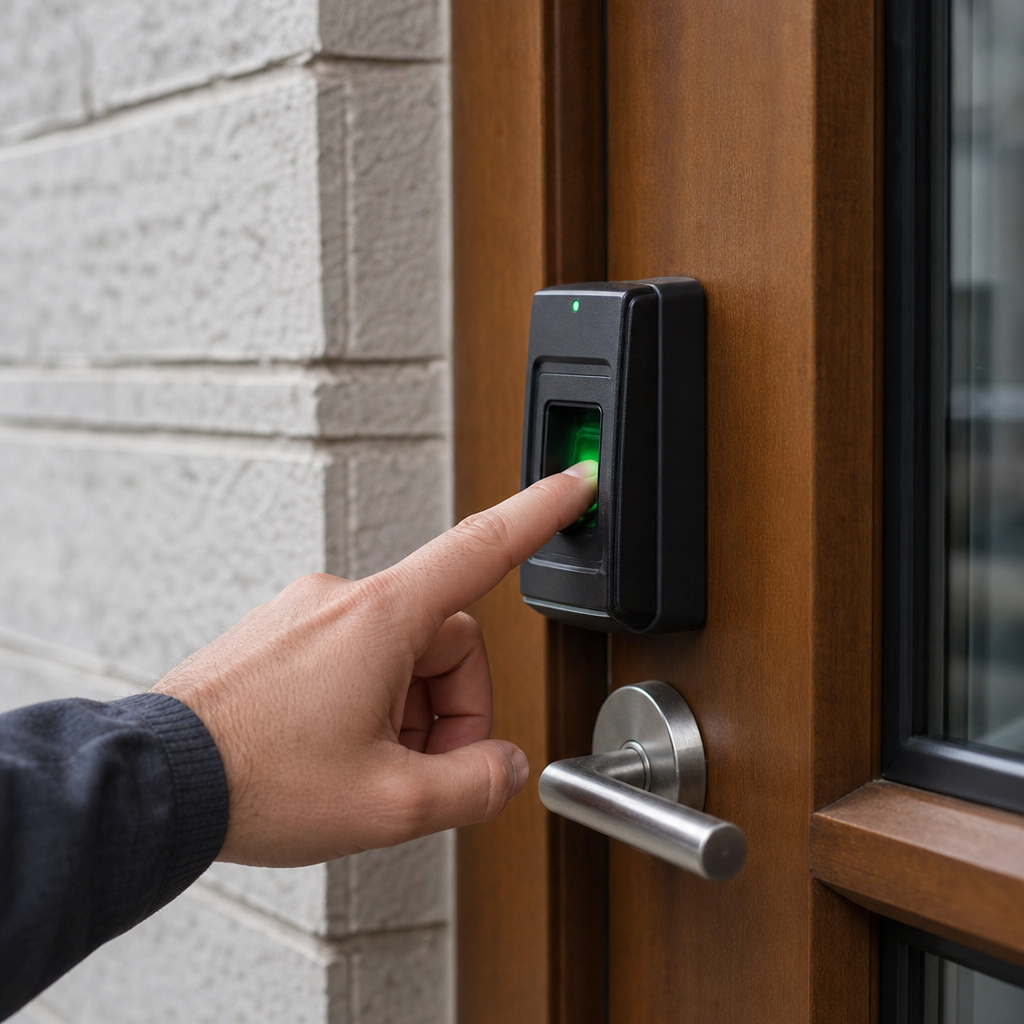
Adding a fingerprint scanner as a backup entry method is one of the most practical custom gun safe modifications because it improves access speed without removing the security of the original lock. In the gun safes and safety category, a backup biometric entry system means a secondary access path that works alongside a mechanical dial, key lock, or electronic keypad instead of replacing it outright. When installed correctly, it can reduce lockout risk, support faster defensive access, and give owners more flexibility if batteries fail, a keypad wears out, or a lock body eventually needs service. I have worked on retrofit access projects for residential safes, lock boxes, and security cabinets, and the biggest lesson is simple: the scanner itself is only one part of the system. Mounting location, relay logic, power management, tamper resistance, and preserving the safe’s fire and burglary protection matter just as much. This matters especially for gun owners because any modification that weakens the door, defeats relocking features, or voids a certification can create safety and liability problems. A well-planned installation keeps the safe secure, preserves quick authorized access, and complements other do-it-yourself gun safe upgrades such as interior lighting, dehumidifiers, door organizers, and hard-mounted anchor systems.
Before drilling anything, define the goal of the project. Some owners want a hidden biometric trigger that quietly releases an internal solenoid. Others want a simple exterior scanner wired to a retrofit electronic strike on a locker-style cabinet. On a true burglary-rated gun safe, the best approach is usually a noninvasive backup system that interfaces with an internal actuator rather than replacing the tested primary lockwork. That distinction is critical. A residential security container with thin steel offers more freedom for DIY changes than a UL-listed safe door with relockers, glass plates, and composite barriers. Backup entry should never bypass the boltwork in a way that leaves the container easier to attack with a pry bar or drill. Think of the scanner as an authorization device, not as the lock itself. The lock remains the lock; the scanner simply tells a protected actuator when to open. If you plan the project around that principle, you can add convenience while staying aligned with safe storage best practices and the larger hub of custom and DIY gun safe modifications.
Choose the Right Fingerprint Scanner and Safe Integration Method
The first decision is what type of fingerprint scanner to install. Capacitive scanners are the most common for retrofit projects because they are compact, affordable, and reliable in indoor environments. Optical scanners are larger and can perform well, but they are more sensitive to dirt and usually less practical for concealed mounting. Semiconductor modules from access-control suppliers often provide dry-contact relay output, which is ideal because it can trigger a low-voltage actuator without exposing the lock circuit directly. Avoid consumer gadget scanners designed only for USB login; they do not belong on a gun safe. A proper unit for a backup entry method should support enrolled administrators, multiple fingerprints, local template storage, adjustable unlock duration, and audit or programming controls. If the scanner cannot drive a relay, pair it with a secure controller inside the safe body. In most retrofit work, I prefer an exterior reader with an interior controller so the exposed component remains a sensor, not the brains of the system.
Compatibility with the safe matters more than scanner price. A handgun safe, steel cabinet, and full-size gun safe each require different hardware. Small bedside safes often already use solenoids, so a biometric backup can sometimes be integrated cleanly by adding a second trigger input. Full-size gun safes with rotary boltwork are different. You are not usually moving all that bolt pressure with a tiny scanner module. Instead, the backup system should release or energize a secondary authorized mechanism that assists the existing opening process. For example, an interior linear solenoid can disengage a protected blocking tab only after the primary lock has been set to the correct state. Another option is a clutch-based linkage that permits handle movement only when the scanner verifies an enrolled user. These approaches preserve the function of the existing lock. If the biometric side fails, the factory lock still opens the safe. That is exactly what backup entry should mean.
Plan the Installation to Protect Security Ratings and Fire Resistance
Most problems begin with poor planning, not bad parts. Study the safe’s door construction, lock location, hinge side, inner panel layout, and any manufacturer documentation before choosing a mounting point. Never assume the center of the door is empty. Many safes place relockers, hard plates, glass trigger plates, and linkages behind the lock area. Drilling in the wrong place can disable the lock, trigger a relocker, or compromise fireboard layers. If the safe has a warranty, check whether modifications to the door or body void coverage. Some manufacturers permit accessory pass-throughs in designated locations; others treat any drilling as an exclusion. For a hub article on custom and DIY gun safe modifications, this is the core rule that applies across projects: modify around critical protection systems, not through them.
A safer method is to route the scanner to a sidewall, door edge cavity, or interior panel that avoids the lock case and composite barriers. Use a borescope or remove the interior door panel if possible so you can inspect the structure. Mark cable runs in advance and ensure moving boltwork will not pinch wires during operation. Fire-resistant safes commonly use gypsum-based insulation or poured fill materials, and once those layers are breached, restoring equivalent protection is difficult. Small penetrations for low-voltage wiring should be sealed with a fire-rated sealant compatible with the safe’s materials, but sealing does not recreate a tested fire label. That is why many experienced installers choose adhesive-mounted readers, bracket-mounted housings, or existing accessory holes whenever possible. The less you alter the shell, the lower the risk to security and thermal performance.
Tools, Wiring Basics, and Backup Power Requirements
The most dependable fingerprint scanner installations use simple low-voltage wiring and conservative power design. A typical setup includes the scanner, an interior controller or relay, a 12-volt DC power supply or battery pack, an inline fuse, and an actuator such as a solenoid, motorized latch release, or clutch control. Use stranded wire sized for the current draw and the cable length; 18 AWG is common for small 12-volt loads, while signal lines may use 22 AWG. Add ferrules or proper crimp terminals instead of twisting bare wire. If the scanner supports Wiegand or RS-485, keep data lines separate from actuator power to reduce noise. Every wire that passes through metal should use a grommet. A pinched or chafed wire inside a steel safe can create intermittent faults that are difficult to diagnose.
Battery planning is equally important because a backup entry system that dies during an emergency is a design failure. Use either an internal sealed battery with a low-battery indicator or a protected external emergency power option. Many owners prefer a hidden external contact point, such as two recessed terminals under a trim cap, allowing a 9-volt or 12-volt source to energize the biometric system if the internal battery is flat. Do not rely on the scanner’s tiny internal battery alone. Build the system so loss of biometric power never locks out the original entry method. This is especially relevant on gun safes used for defensive firearms, where rapid authorized access matters.
| Component | Recommended Choice | Why It Works |
|---|---|---|
| Fingerprint reader | Capacitive reader with relay output | Reliable sensing and simple integration with low-voltage controls |
| Controller location | Inside the safe | Protects programming logic from tampering |
| Power source | 12V DC battery-backed supply | Stable output with emergency access planning |
| Actuator | Shielded solenoid or clutch release | Supports backup authorization without replacing primary lockwork |
| Wire protection | Grommets, loom, strain relief | Prevents shorts, abrasion, and door-motion damage |
Step-by-Step Installation Without Weakening the Safe
Begin by testing the complete system on a bench before touching the safe. Enroll fingerprints, connect the relay output, power the actuator, and confirm unlock timing. I always cycle the hardware at least fifty times on the bench because weak connectors and underpowered solenoids reveal themselves quickly. Once the logic works, remove the safe’s interior panel and identify a protected actuator mounting location. The actuator should influence only the authorized release point you designed, not the main boltwork directly. Mount it with mechanical fasteners and threadlocker, keeping clear of lock rods and relock devices. If you must drill, start with a pilot bit, use cutting oil, and inspect behind every surface first.
Next, mount the scanner where a user can reach it naturally but where an attacker cannot easily pry it off to access wiring. A recessed side mount near the handle shroud is often better than a center-door face mount. Route the reader cable through a grommeted opening and secure slack so opening and closing the door does not flex the same point repeatedly. Install the power supply and fuse inside a covered housing. Program the relay to energize only briefly, usually one to three seconds, which is enough for a solenoid but too short to overheat it. Then test the original lock and the new backup method independently. If either system behaves differently after installation, stop and diagnose the interference before putting the safe back in service.
Enrollment, Reliability Testing, and Everyday Use
Fingerprint scanners are only as good as enrollment quality. Register at least two fingers from each authorized user, usually the thumb and index finger from both hands. Dry skin, cuts, oil, and angle changes all affect read consistency. During setup, have each user present the same finger multiple times at slightly different positions so the system captures a broader template. In my experience, this reduces false rejects more than buying a more expensive sensor. Keep the scanner clean, and do not place it where solvent residue, gun oil, or garage dust will coat the surface. If the safe is in a humid basement or unheated outbuilding, verify the scanner’s operating temperature and environmental rating.
Reliability testing should mimic real use. Try the scanner after washing your hands, while wearing light shooting gloves removed in a hurry, and in low light. Test battery backup monthly and verify that the original lock still opens smoothly. Good DIY gun safe modifications include a maintenance schedule: inspect wiring every six months, replace backup batteries on a calendar basis, and review who is enrolled after household changes. For families, that means removing old prints after a move, divorce, or change in legal access status. Treat biometric enrollment like a key control program. Convenience is helpful, but access governance is what keeps a safe truly safe.
How This Upgrade Fits the Larger World of DIY Gun Safe Modifications
A fingerprint scanner backup works best when paired with other thoughtful custom gun safe modifications rather than installed as a stand-alone gadget. Interior LED lighting helps users see the reader’s status indicators and retrieve firearms safely. A dehumidifier or rechargeable desiccant protects both guns and electronics from corrosion. Door organizers and rifle rod systems improve interior access so the speed gained at the lock is not lost inside the safe. Anchoring the safe to concrete with rated hardware remains essential, because faster access does nothing if thieves can remove the entire container. In other words, biometric backup is one piece of a broader safe optimization plan.
It is also important to know when not to do this project yourself. If the safe has a certified burglary label, a complex lock body, or active relock devices you cannot identify, hire a safe technician or locksmith familiar with UL-listed security containers. Professional help is also worth the cost if you need concealed cable routing through a fire-lined door or integration with an existing electronic lock. The best outcome is a backup entry method that feels invisible in daily use, preserves the original safe protections, and supports responsible firearm storage. If you are building out a full custom and DIY gun safe modification plan, start with a clear design, use access-control grade parts, and test every change thoroughly before trusting it with your firearms.
Installing a fingerprint scanner as a backup entry method is a smart modification when the project is approached as a security upgrade rather than a shortcut. The essential points are consistent across nearly every safe platform: keep the original lock as the primary trusted mechanism, choose a real access-control grade scanner, protect the controller inside the safe, design dependable power backup, and avoid drilling or wiring paths that interfere with boltwork, relockers, or fire insulation. Those decisions determine whether the result is a professional-grade enhancement or a weak point. For gun owners, that difference matters because a safe must balance rapid authorized access with resistance to tampering, theft, and accidental exposure. A scanner can improve convenience, but only careful integration preserves the safety function that made the safe worth buying in the first place.
As the hub for custom and DIY gun safe modifications, this topic connects directly to related upgrades such as interior organization, climate control, anchoring, lighting, and lock maintenance. Every modification should support three goals: secure storage, reliable access for authorized users, and no unnecessary reduction in the safe’s tested protection. If you are planning this upgrade, document your safe’s construction, map the mechanism before mounting anything, bench-test the biometric hardware, and create a maintenance routine once installation is complete. Done well, a fingerprint scanner backup adds practical redundancy and everyday usability without sacrificing security. Use this article as your starting framework, then evaluate each future gun safe modification by the same standard: does it make the safe more usable while keeping it harder for everyone else to open?
Frequently Asked Questions
1. Why install a fingerprint scanner as a backup entry method instead of replacing the original safe lock?
Installing a fingerprint scanner as a backup entry method gives you the convenience of biometric access without giving up the proven security of your existing lock system. In most cases, that means the fingerprint scanner works alongside a mechanical dial, key lock, or electronic keypad rather than taking over as the only way to open the safe. This approach is especially valuable because it reduces the chance of being locked out due to a dead keypad battery, forgotten code, misplaced key, or difficulty operating a dial under stress.
For many owners, the biggest benefit is faster access when seconds matter. A properly installed biometric reader can allow quick entry while still preserving the original manufacturer’s lock as a fallback. That is important from both a practical and a security standpoint. If the scanner fails, the original lock remains available. If you ever need to service, reset, or replace the biometric unit, you have not lost your primary access method.
There is also a strong risk-management reason to treat biometrics as secondary rather than primary. Fingerprint scanners can be highly effective, but performance depends on factors such as reader quality, finger placement, skin dryness, dirt, and environmental conditions. Using one as a backup entry path helps balance speed and reliability. In short, this modification is popular because it improves usability and defensive readiness while preserving the layered protection that makes a gun safe secure in the first place.
2. Can any gun safe be modified to add a fingerprint scanner, or do some safes require special considerations?
Not every safe should be modified in the same way, and some should not be altered at all without professional guidance. The first consideration is the safe’s construction. Steel thickness, door design, internal relockers, fire insulation, lock placement, and boltwork layout all affect whether a biometric add-on can be installed safely. Drilling or mounting in the wrong location can interfere with locking components, damage fire lining, weaken anti-tamper features, or void the manufacturer’s warranty.
You also need to think about how the backup scanner will interface with the safe. Some setups use an external biometric module that controls a secondary release mechanism, while others rely on retrofit kits designed for specific lock bodies or door panels. A universal fingerprint scanner may sound convenient, but unless it is engineered for safe access applications, it may not deliver the durability or security needed for firearm storage. The best candidates for modification are safes with enough internal clearance, accessible mounting zones, and a clear path for wiring or battery compartments that will not obstruct shelves, firearms, or door movement.
Before starting, check the manufacturer’s documentation for approved modification points, warranty terms, and lock compatibility. If the safe is fire-rated, ask how any drilling or hardware changes could affect the fire seal and insulation system. If it is a high-security model with relockers or hard plates, professional installation is strongly recommended. In many cases, the safest route is to use a retrofit system approved by the lock manufacturer or have a qualified safe technician evaluate the door before any permanent modification is made.
3. What are the most important steps for installing a fingerprint scanner correctly and safely?
The most important rule is to plan the installation before making any permanent changes. Start by identifying exactly where the scanner will sit, where its wiring or battery compartment will go, and how it will connect to the backup release system. You want a location that is easy to reach quickly, but not so exposed that it becomes vulnerable to impact, tampering, or accidental activation. Just as important, the mounting point must avoid the safe’s lock body, relockers, linkage, bolts, and fire lining.
Once you have a plan, empty the safe and inspect the door thoroughly from both the exterior and interior sides if possible. Measure carefully and confirm internal clearances before drilling or fastening anything. If the unit requires holes, use the exact drill sizes specified by the manufacturer and protect the surrounding finish. Avoid improvising with oversized holes or generic hardware, because poor fitment can weaken the installation and make the scanner less reliable over time. If adhesive mounting is allowed by the manufacturer, make sure the surface is clean, stable, and suitable for long-term use.
Power reliability is another major part of safe installation. If the fingerprint scanner runs on batteries, place the battery compartment where it can be serviced easily without compromising access. If it uses external power, protect the wiring from pinch points and abrasion. After mounting, enroll multiple fingerprints for each authorized user, including more than one finger per person. This improves real-world reliability if one finger is wet, dirty, or injured. Then test the system repeatedly with the door open before trusting it in normal use.
Finally, verify that the original lock still works exactly as intended. The goal is to add redundancy, not create conflict between access methods. Test both systems independently and together. Open and close the door many times, check for any binding or interference, and make sure the biometric unit does not accidentally engage the locking mechanism when it should not. If there is any uncertainty about drilling, lock integration, or internal door layout, bring in a professional safe technician. A careful installation is what makes this modification worthwhile.
4. How reliable are fingerprint scanners on gun safes, and what can I do to improve their performance?
Fingerprint scanners can be very reliable when they are high quality, properly installed, and used as intended, but they are not flawless. Real-world performance depends on sensor quality, enrollment method, environmental conditions, and how consistently users place their fingers on the reader. Lower-end scanners may struggle with partial prints, dry skin, calluses, moisture, or debris. That is one reason they are best treated as a backup or convenience entry option rather than the sole access method for a secure firearm container.
To improve performance, begin with proper enrollment. Register the same finger multiple times if the device allows it, and enroll several fingers from each authorized user. Include fingers from both hands whenever practical. During setup, follow the manufacturer’s instructions closely so the scanner captures different angles and pressure patterns. If the safe may need to be opened under stress or in low light, practice using the scanner in those conditions so placement becomes automatic.
Maintenance matters more than many people realize. Keep the sensor clean and free of oils, dust, and residue. Replace batteries proactively instead of waiting for low-power warnings. If the scanner is mounted in a garage, basement, or other variable environment, consider how temperature, humidity, and dirt may affect operation. It is also wise to test the reader regularly and confirm that all enrolled prints still work as expected. Over time, some users may need to re-enroll fingerprints if skin condition changes.
Most importantly, always keep the original lock operational and accessible. Reliability improves dramatically when your biometric scanner is one layer in a redundant access system. That way, even if the scanner misreads a print or loses power, you still have a secure and familiar way to get in. The best installations combine a quality reader, strong setup practices, routine maintenance, and a fully functional primary lock.
5. Are there security, legal, or safety concerns to consider before adding a biometric backup to a gun safe?
Yes, and they should be taken seriously. From a security standpoint, any modification to a gun safe must preserve resistance to unauthorized access. A poorly installed biometric system can create weak points through bad mounting, exposed wiring, inadequate shielding, or improper integration with the locking mechanism. The scanner itself should come from a reputable manufacturer and be designed for secure access control, not just consumer convenience. You want a system with durable construction, dependable power management, and protection against simple tampering.
There are also warranty and compliance concerns. Modifying the safe door may void the manufacturer’s warranty, change the fire rating, or affect lock certification. If your safe is used to meet state or local firearm storage requirements, make sure the modification does not reduce compliance. Laws vary by location, especially where child access prevention, secure storage standards, or owner liability are involved. If you rely on the safe to satisfy insurance requirements, verify that changes to the locking system will not affect coverage or claims.
From a safety perspective, authorized-user management is critical. Only trusted, legally authorized individuals should be enrolled in the fingerprint system. Review who has access, remove users promptly when circumstances change, and document how the backup system works. You should also maintain an emergency access plan in case the biometric unit fails. That means keeping the original combination, key, or code secure but available to authorized users when needed.
Finally, think through the balance between speed and safe handling. Faster access is useful, but it should not come at the cost of negligent storage or uncontrolled entry. A good biometric backup setup supports responsible ownership by making access more efficient for the right person while keeping multiple layers of security intact. If you approach the project with that mindset, and confirm legal and technical requirements before installation, a fingerprint scanner can be a very practical and well-justified upgrade.