
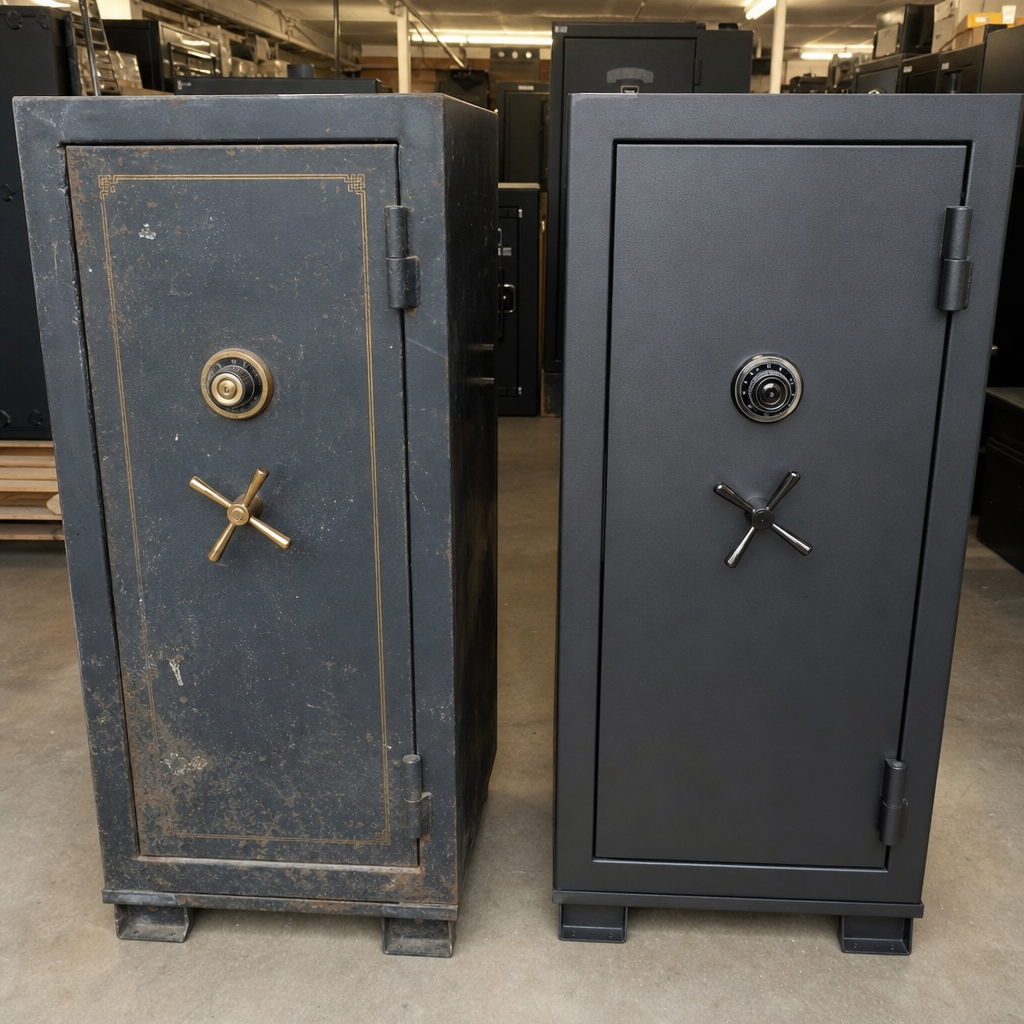
Buying a gun safe is one of the most important security decisions a firearm owner makes, and the used-versus-new question comes up constantly. On the surface, a used gun safe can look like a bargain: thicker steel for less money, a premium brand within reach, and immediate availability without long lead times. In practice, whether a used gun safe is just as good as a new one depends on its construction, lock history, fire protection, relocation damage, and whether the seller can verify how it was treated. I have inspected safes that were outstanding values on the secondary market, and I have also seen “great deals” turn into expensive mistakes after a failed lock, damaged door alignment, or missing relocker parts.
A gun safe is a residential security container or true safe designed to restrict unauthorized firearm access, reduce theft risk, and in many cases provide limited fire protection. Those terms matter. Many products sold as gun safes are technically residential security containers, often evaluated against UL 1037 standards for basic forced-entry resistance. Higher-end true safes may carry burglary ratings such as UL TL-15 or TL-30, but those are uncommon in the mainstream gun-safe market because they are far heavier and more expensive. Understanding that difference helps buyers judge used and new options fairly. A used residential security container is not automatically better than a new one simply because it feels heavy, and a new model is not automatically safer simply because it has fresh paint and electronics.
This topic matters because gun safe myths affect real-world safety. People assume any heavy box is secure, that old mechanical locks never fail, that fire ratings are interchangeable, or that a used safe from a known brand must still perform like it did on day one. Those assumptions can lead to poor storage decisions, insurance disputes, or preventable access by children and thieves. As a hub for gun safe myths and misconceptions, this article addresses the core question first, then connects the larger issues: construction quality, lock reliability, fire claims, installation, maintenance, and total ownership cost. If you are comparing a secondhand Liberty, Fort Knox, AMSEC, Browning, Winchester, or Cannon safe with a new model from the same price range, the right answer comes from inspection and evidence, not guesswork.
When a used gun safe can be just as good as a new one
A used gun safe can be just as good as a new one when three conditions are met: the body and door remain structurally sound, the lock and relocking system are verified to work properly, and the safe has not suffered hidden damage from moisture, fire, or rough transport. In those cases, a quality used safe may outperform a brand-new entry-level model. This is especially true when a buyer steps up from thin-gauge steel common in lower-priced new cabinets into a heavier used safe from a stronger product line.
For example, I have seen buyers spend the same amount on a used AMSEC BF series or older Sturdy Safe that would otherwise only buy a lighter imported model at retail. That can mean thicker steel, a better door design, upgraded hardplate, and a more established lock platform from Sargent and Greenleaf, La Gard, or SecuRam. In practical terms, a well-maintained used safe from a better tier often delivers more burglary resistance per dollar than a new promotional model sold primarily on capacity claims and glossy interiors.
Another reason used can match new is longevity. Gun safes are not consumables. The steel body, welded seams, door plate, and boltwork can last for decades if they are protected from corrosion and not abused during moving. Mechanical dial locks, when serviced correctly, often remain reliable for years and do not depend on batteries or circuit boards. If the original owner anchored the safe, kept it in a climate-controlled space, and never had a forced-entry attempt or fire event, there may be little performance difference between that used unit and a new one.
However, “can be” is doing important work here. The used market rewards careful inspection and punishes assumptions. Buyers need to evaluate a used safe as a physical security device, not as a piece of furniture. Cosmetic scratches are usually minor; bent hinges on external-hinge designs, warped door gaps, sloppy handle movement, or unexplained drill repairs are not. The best used-safe purchases happen when the seller can answer detailed questions, provide model information, and allow a full function check before money changes hands.
Common myths that distort the used-versus-new decision
The first myth is that heavier always means safer. Weight matters, but it is not a complete measure of protection. Added weight may come from drywall-based fire lining, decorative panels, or larger dimensions rather than thicker steel in the body and door. A 900-pound safe can still have a relatively thin shell. Buyers should ask for steel thickness in inches or gauge, door construction details, and whether the door uses formed plate, composite construction, or multiple layers.
The second myth is that old safes were always built better. Some were, especially certain plate safes and commercial units. Many were not. Manufacturing quality varies by brand, era, and model line. A ten-year-old safe from a premium line may be excellent; a fifteen-year-old promotional big-box model may offer no meaningful advantage over a new competitor. Age alone is not a quality marker.
The third myth is that fire ratings are standardized. They are not. Some manufacturers use internal tests with varying furnace curves, sensor placement, and pass criteria. Independent ratings from laboratories such as UL carry more weight, but many mainstream gun safes rely on proprietary testing. Comparing “60 minutes at 1,200 degrees” across brands without knowing the test method is misleading, especially in the used market where seals and insulation may have aged.
The fourth myth is that a lock replacement makes an old safe “like new.” Replacing a lock can improve reliability, but it does not reverse worn boltwork, damaged relockers, corrosion inside the door, or frame distortion from bad moves. The lock is only one part of the access-control system. A proper evaluation considers the entire door assembly and body condition.
| Myth | Reality | What to verify |
|---|---|---|
| Heavier is always safer | Weight may come from insulation or size, not stronger steel | Body gauge, door thickness, boltwork design |
| Older safes are built better | Quality depends on brand, model, and production era | Model line, manufacturing date, original specifications |
| All fire ratings are comparable | Test methods differ widely across manufacturers | Independent rating, seal condition, insulation history |
| New lock means like-new safe | Other critical parts may still be worn or damaged | Door alignment, relockers, internal corrosion, service records |
How to inspect a used gun safe before you buy
Start with identification. Get the brand, model number, approximate age, exterior dimensions, weight, lock type, and original documentation if available. Many manufacturers can confirm basic specs from a serial number. That single step often reveals whether a “10-gauge body” claim is accurate or whether the seller is repeating store-floor marketing from memory. If the seller cannot identify the model, proceed carefully.
Next, inspect the exterior and door gaps. Look for signs of prying near the door edge, hinge-side distortion, scraped hardplate areas around the lock, or patched drill holes. Open and close the door multiple times. It should swing smoothly and close without dropping, binding, or requiring unusual force on the handle. On the locking system, confirm that bolts extend and retract fully. Excess play in the handle can indicate worn linkage or alignment issues.
Test the lock repeatedly. For an electronic lock, enter the code at least five times with fresh batteries installed. Listen for consistent solenoid or motor action. Check whether the keypad is original, upgraded, or generic replacement hardware. For a mechanical dial, verify that the combination indexes cleanly and opens consistently without excessive backlash. If opening is erratic, budget for professional service immediately. A qualified safe technician, ideally associated with SAVTA or a reputable local locksmith company experienced with safes, is worth the inspection fee.
Then examine the interior. Pull shelves if possible and look for rust, water staining, mold, swollen fabric panels, or a musty smell. These signs matter because many safes live in garages, basements, or outbuildings where condensation attacks lock parts and insulation. Fire door seals should be intact, flexible, and continuous around the frame. If they are brittle, missing sections, or pulling away, fire performance is compromised. Finally, ask direct questions: Has the safe ever been moved by professional safe movers? Has it been tipped onto the back? Was it ever in a fire, flood, or attempted break-in? Honest sellers usually answer clearly and specifically.
New gun safe advantages that buyers should not ignore
New gun safes offer benefits that go beyond appearance. The first is warranty coverage. Many major brands provide lifetime repair or replacement coverage for break-in and fire under defined conditions, along with shorter coverage terms for locks and components. That protection has real value, especially for electronic locks and door seals. In the used market, warranties are often nontransferable or limited, so the second owner may absorb all future repair costs.
The second advantage is known history. With a new safe, there is no uncertainty about prior moisture exposure, lock tampering, undocumented drilling, or rough stair carries. You also receive current lock certifications and the original factory configuration. If you buy from a knowledgeable dealer, you can compare steel thickness, fire construction, anchor hole placement, and interior layout before delivery, rather than inheriting someone else’s compromises.
Third, newer safes may include practical upgrades: better LED lighting, power passthroughs, more flexible shelving, improved door organizers, and more user-friendly keypads. These features do not replace core security, but they do improve how consistently owners use the safe. A well-organized safe with quick visibility and dehumidification support is more likely to keep firearms secured and maintained properly. For many households, convenience supports safety.
Finally, new safes simplify installation planning. Dealers can coordinate curbside or in-home delivery, anchoring, stair equipment, and post-installation checks. That matters because moving damage is one of the most common hidden problems with used units. A new safe that arrives, gets anchored to concrete, and is set up correctly may be the better value even if the sticker price is higher. Ownership cost includes repairs, moving, lockouts, and the risk of buying unknown problems.
Cost, placement, and the smarter buying decision
The smartest buying decision comes from total cost and intended use, not from chasing the lowest purchase price. A used gun safe is just as good as a new one only when its verified condition matches your security needs and the savings remain meaningful after transport, lock service, anchoring, and accessories. If a used safe costs $900, professional moving costs $400, a lock replacement costs $250, and interior cleanup costs another $100, the bargain may disappear. If the same budget buys a new midrange safe with delivery and warranty, the new option may be stronger financially.
Placement also changes the equation. A used safe placed in a humid garage without a dehumidifier can degrade quickly, while a new safe in a finished interior room may retain performance longer. Bolting down the safe matters as much as buying it. Even heavy residential units are vulnerable if thieves can tip them over and attack the door or haul them away. Use the manufacturer’s anchor locations, install on concrete when possible, and reduce visibility from windows and entry doors. Security is always a system: container, lock, location, anchoring, humidity control, and user habits.
The main takeaway is clear. A used gun safe can absolutely be as good as a new one, and sometimes better, when it is a higher-quality model with a clean history and verified function. But used is not automatically smarter, and new is not automatically overpriced. Judge steel, lock reliability, fire protection, warranty, moving risk, and installation as a package. If you are building out your Gun Safes & Safety research, use this page as your starting point for the biggest myths and misconceptions, then compare specific brands, lock types, fire ratings, and placement strategies before you buy. Inspect carefully, ask hard questions, and choose the safe that proves its value rather than merely promising it.
Frequently Asked Questions
Is a used gun safe just as good as a new one?
A used gun safe can be just as good as a new one, but only if its condition, build quality, and history all check out. The biggest advantage of buying used is value: you may be able to get a heavier, better-built safe from a respected manufacturer for the same price as a lighter-duty new model. In many cases, that means thicker steel, stronger locking bolts, and a more durable body than what you would find in a budget safe bought new today.
That said, “just as good” depends on more than appearance. A safe may look clean on the outside while hiding problems such as worn lock components, bent door alignment from improper moving, failed fire seals, interior moisture damage, or drilled repairs from a previous lockout. You also need to know whether the lock has been changed, whether all combinations or override keys are available, and whether the safe has been serviced correctly. If the seller cannot explain how it was used, stored, and transported, that uncertainty lowers its value.
In short, a used gun safe is not automatically equal to a new one, but a well-maintained used safe from a quality brand can absolutely be the better buy. The key is to evaluate the safe as a security product, not just a large metal box. Construction, lock reliability, fire protection, and verified history matter far more than whether it is technically new or pre-owned.
What should I inspect before buying a used gun safe?
Start with the basics: examine the body, door, lock, hinges, and interior carefully. Open and close the door several times and make sure it moves smoothly without scraping, sagging, or resistance. Check that the locking bolts extend and retract cleanly, the handle turns properly, and the door seals evenly all the way around. If the door appears misaligned, the gaps are uneven, or the handle feels rough or inconsistent, the safe may have suffered damage during relocation or may have internal wear.
Next, inspect the lock closely. If it is an electronic lock, ask how old it is, whether the keypad has ever been replaced, and whether the battery compartment is clean and corrosion-free. If it is a mechanical dial lock, make sure the dial turns smoothly and the safe opens consistently using the combination. Ask whether the lock has ever been serviced, changed, drilled, or bypassed by a locksmith. A professional repair is not necessarily a dealbreaker, but it should be disclosed and documented if possible.
You should also inspect the fire lining and interior condition. Look for cracks, crumbling material, musty odors, rust, water staining, warped shelving, or signs of prolonged dampness. Fireboard and heat-expanding door seals can degrade over time, especially if the safe was stored in a garage, basement, or humid environment. If the safe has visible rust inside or out, that may point to poor storage conditions that could affect both security and fire protection.
Finally, ask about the brand, model number, original specifications, and serial number. Reputable manufacturers often provide information on build details, fire ratings, and lock compatibility if you can identify the model. If the seller cannot verify the make, age, or access credentials, proceed carefully. A used safe should be inspected with the same seriousness you would give a used vehicle: cosmetic condition matters, but mechanical integrity and documented history matter much more.
Are lock and security risks higher with a used gun safe?
Yes, lock-related risk is one of the biggest concerns when buying used. The lock is the most important moving part on the safe, and unlike dents or scratches, internal lock wear is not always obvious. Over time, electronic locks can develop keypad failures, wiring issues, worn solenoids, or battery contact problems. Mechanical locks can also wear, especially if they have seen heavy use or poor servicing. A used safe may still function during a quick test, but that does not guarantee long-term reliability.
There is also the question of access control. With a used safe, you need to know exactly who has had the combination, backup key, code, or override access. If the seller does not reset the code properly or cannot confirm that no one else has retained access information, that creates an avoidable security risk. On some safes, electronic codes are easy to change. On others, especially older models, lock replacement may be the safest move after purchase. Factoring in the cost of a new lock or professional rekeying is often wise.
Another issue is whether the safe has been previously drilled or force-opened. A safe that was opened by a locksmith after a lockout can still be perfectly serviceable if the repair was done correctly, but poor patchwork can weaken the door area or leave cosmetic and structural issues. Ask directly whether the safe has ever failed to open, whether any parts have been replaced, and whether the work was performed by the manufacturer, a certified technician, or an unknown party.
If you buy a used safe, one of the best steps you can take is to have the lock professionally inspected or replaced after delivery. That extra step may add cost, but it gives you confidence in the one component you absolutely cannot afford to have fail. From a practical security standpoint, a verified used safe with a fresh lock setup is often a much smarter purchase than an unknown used safe sold “as-is.”
Does a used gun safe still offer reliable fire protection?
It might, but fire protection is one of the hardest features to evaluate in a used safe. Fire ratings are based on original factory construction, including insulation materials, door seals, and assembly methods. Over time, those materials can degrade, especially if the safe has been exposed to moisture, extreme temperature swings, rough moving, or previous fire conditions. A used safe may still be secure against theft while no longer offering the same level of fire resistance it once did.
Pay close attention to the door seal and interior lining. Many safes use heat-expanding seals around the door frame to help block smoke and heat. If those seals are brittle, peeling, cracked, or missing in areas, that is a warning sign. Likewise, fireboard insulation inside the walls and door can be damaged by impact or humidity, and that damage may not be fully visible without partial disassembly. If a safe has been dropped during a move, the internal fire lining may have shifted or fractured even if the exterior looks fine.
You should also ask where the safe was kept. A climate-controlled interior room is far different from a damp basement, workshop, storage unit, or detached garage. Moisture and temperature stress can shorten the life of interior materials and increase the chance of rust. If the seller cannot provide a believable storage history, you should be conservative in how much value you assign to the fire rating.
For many buyers, the practical takeaway is this: treat the fire protection claims on a used safe with caution unless the safe is relatively recent, from a reputable brand, and clearly well cared for. If fire resistance is a major priority for your situation, buying new may provide more confidence because you know the condition of the insulating materials from day one. If theft resistance is your main concern, a robust used safe may still be an excellent choice even if you place less weight on the original fire rating.
When does buying a used gun safe make more sense than buying new?
Buying used makes the most sense when you can step up in quality rather than simply save a little money. For example, if your budget puts you between a lightweight new entry-level safe and a heavier used safe from a proven brand, the used option may offer better real-world protection. Older premium safes often have stronger steel construction and more substantial hardware than newer low-cost models, and that can make a meaningful difference in burglary resistance.
Used also makes sense when the seller can provide strong documentation and transparency. That includes the make and model, lock information, age, moving history, access credentials, and any service records. If you can inspect the safe in person, verify that it operates correctly, and arrange professional transport, you remove much of the uncertainty that causes problems in secondhand purchases. A safe that has lived in one climate-controlled home and is being sold due to a move or estate change is usually more appealing than one with a vague background.
On the other hand, buying new often makes more sense if you want a full warranty, current fire certifications, modern lock options, and no questions about prior use. New safes also eliminate the risk of hidden relocation damage and unknown combinations. For some buyers, especially first-time firearm owners or anyone who does not want to troubleshoot lock issues, that peace of mind is worth paying for.
The best decision comes down to risk tolerance and priorities. If you know how to inspect a safe, are willing to verify its history, and can budget for lock servicing or delivery, used can be a smart and cost-effective way to get more safe for the money. If you want certainty, warranty coverage, and zero guesswork, new is usually the safer path. The right answer is not whether used is always as good as new, but whether that specific used safe is good enough to trust with your firearms and valuables.