
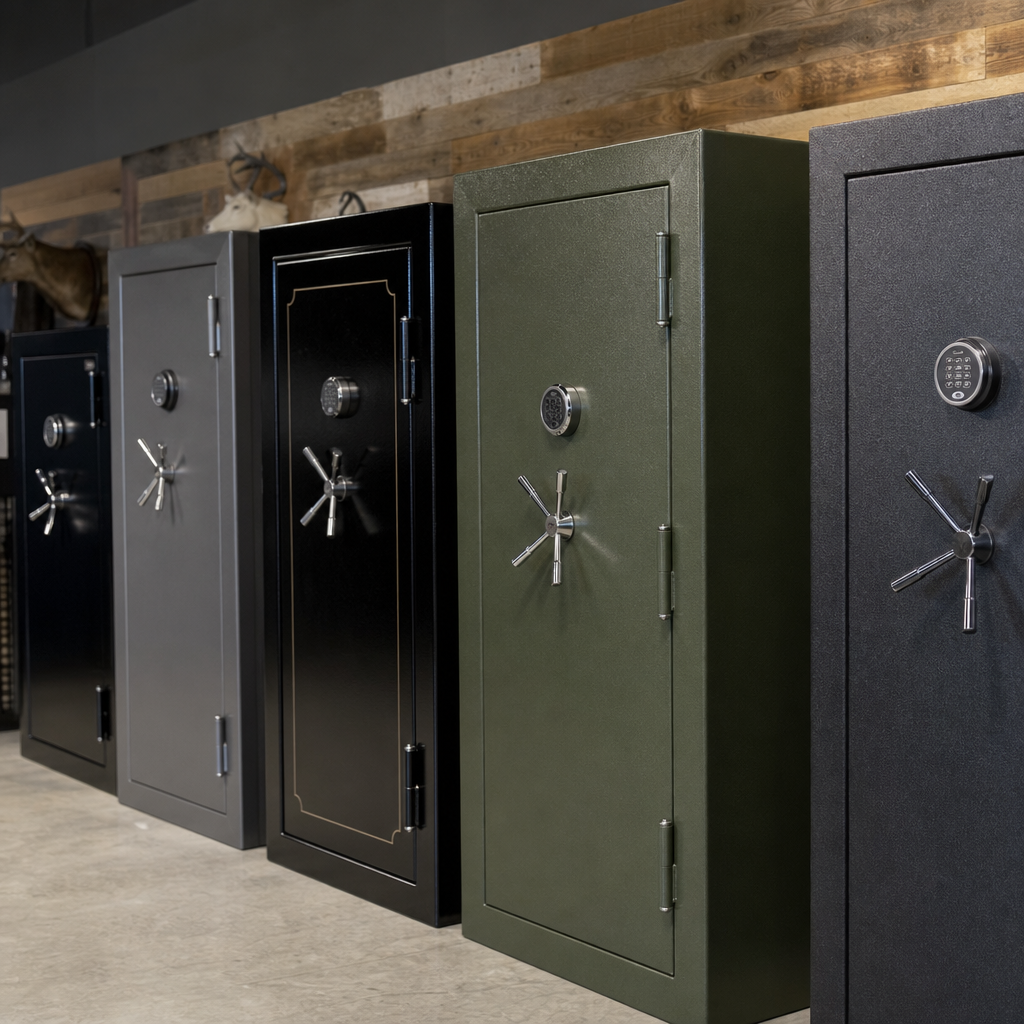
Comparing gun safe brands that offer lifetime warranties is one of the smartest ways to narrow a crowded market, because the warranty often reveals as much about build quality, service culture, and long-term value as steel thickness or lock type. In the gun safes and safety category, a lifetime warranty usually means the manufacturer will repair or replace the safe after specified events such as fire, attempted break-in, or defects in materials and workmanship, but the exact terms vary sharply by brand. That variation matters. I have reviewed safes in dealer showrooms, compared warranty cards line by line, and helped buyers file claims after house fires and burglary attempts; the brand that looked strongest on a sales tag did not always provide the best ownership experience. This hub for gun safe comparisons and brand spotlights explains what a true lifetime warranty covers, which major brands are known for offering one, how to compare construction and service behind the promise, and where shoppers should be cautious. If you want a gun safe that protects firearms, documents, and valuables for decades, warranty quality deserves the same scrutiny as fire rating, locking system, interior size, and delivery logistics.
What a lifetime warranty on a gun safe usually means
A lifetime warranty on a gun safe does not mean every part is covered forever under every circumstance. In most cases, major manufacturers define it as lifetime coverage against unlawful attempted break-in and lifetime replacement or repair after a verified fire, plus a separate period for locks, paint, and electronic components. Many also cover defects in materials and workmanship for the original owner. The practical question is not whether the brochure says lifetime, but what proof is required, who pays freight, whether in-home service is available, and whether the company can send replacement parts quickly. Those details determine whether the warranty is genuinely useful or mostly marketing.
Shoppers should also distinguish between a residential security container and a true safe with a higher burglary classification. Many consumer gun safes sold through sporting goods stores are tested to UL 1037 residential security container standards, not TL-rated commercial burglary standards. That does not make them bad products, but it changes expectations. A lifetime warranty on an RSC can still be valuable, especially when paired with good installation, layered home security, and realistic fire protection. The best brands explain these distinctions clearly instead of implying every safe is invulnerable.
Top gun safe brands known for lifetime warranties
Several established brands repeatedly appear in serious comparisons because they back broad parts of their lineup with well-known lifetime coverage. Liberty Safe is one of the most recognized names in the category and has long offered transferable reputation, wide dealer support, and warranties that commonly include repair or replacement after fire or attempted break-in for the original owner. Fort Knox occupies a more custom, premium position and is respected for heavier steel options, upgraded locking choices, and a lifetime warranty structure that matches its higher-end image. Browning Safes, produced through a large dealer network, is another major contender, often praised for practical interiors and broad model variety, with lifetime fire and burglary warranty language on many models.
Champion Safe, Rhino Metals with lines such as Kodiak and Rhino, Hollon Safe, and Winchester-branded gun safes sold through big-box channels also enter this discussion frequently, though feature consistency can vary by model family and retailer. Some buyers are surprised to learn that branding alone does not tell the whole story. A manufacturer may offer several tiers ranging from entry-level imported cabinets to heavier, more refined safes, all under one umbrella. For that reason, comparing brands requires drilling into specific series rather than assuming every model bearing a known logo delivers the same steel thickness, door construction, or service response.
How major brands compare on warranty structure and support
The most useful brand comparison starts with the written warranty, then moves to claims process and parts availability. In my experience, companies that maintain strong dealer relationships and domestic service teams usually handle post-sale problems more smoothly than brands that rely heavily on seasonal retail channels. A buyer dealing with a failed keypad, swollen fire seal after a humid summer, or freight damage needs a responsive support chain. The following overview highlights the practical differences shoppers should evaluate before purchase.
| Brand | Typical Lifetime Coverage | Known Strengths | Common Watchouts |
|---|---|---|---|
| Liberty Safe | Fire and attempted break-in for original owner on many models | Broad dealer network, recognizable service infrastructure, varied lineup | Need to compare entry and premium series carefully |
| Fort Knox | Strong lifetime warranty emphasis on premium safes | Customization, thicker steel options, high-end fit and finish | Higher pricing and longer lead times on custom builds |
| Browning Safes | Lifetime fire and break-in coverage on many lines | Interior organization, widespread availability, practical model spread | Specs differ significantly between series |
| Champion Safe | Lifetime warranty focus on fire and attempted burglary | Solid construction reputation, dealer familiarity | Regional availability can be uneven |
| Rhino Metals | Lifetime warranty on many products after fire or burglary | Distinctive styling, multiple price tiers, good feature mix | Must verify exact line and lock coverage |
| Hollon Safe | Competitive warranty terms on selected gun safe models | Value positioning, some heavier construction options | Less uniform consumer awareness and fewer local dealers |
Liberty generally appeals to buyers who want mainstream support and a large ecosystem of models, accessories, and installers. Fort Knox is often the benchmark when a customer asks for more steel, more customization, and a made-to-order feel. Browning wins many floor comparisons because its interior layout is easy to understand and use. Champion and Rhino tend to attract value-conscious buyers who still want a serious warranty commitment. Hollon often enters the conversation when someone is willing to look beyond the biggest marketing names to gain construction value. None of these brands is automatically best; the right choice depends on threat level, budget, and expected service experience.
Construction quality matters more than the warranty headline
A lifetime warranty has value only if the safe performs well enough that you rarely need it. That is why construction details must sit at the center of any gun safe brand comparison. Start with steel thickness. Many entry-level gun safes use 14-gauge to 12-gauge bodies, which can deter smash-and-grab attempts but are less resistant to aggressive pry or cutting attacks than 10-gauge, 7-gauge, or thicker bodies. Door construction also matters. Composite doors with multiple layers can improve stiffness and fire performance, while solid plate doors increase burglary resistance when paired with robust boltwork and a reinforced frame.
Look at active locking bolts, dead bars on the hinge side, hard plates protecting the lock, relockers that trigger after tampering, and continuous weld quality. Fire protection should be examined with skepticism. Manufacturers often publish fire ratings such as sixty, ninety, or one hundred twenty minutes at stated temperatures, but test protocols are not standardized across the entire consumer market. Ask whether the rating comes from independent testing, what internal temperature threshold was used, and whether the safe includes expanding door seals. Brands with lifetime warranties still differ dramatically in these fundamentals, and those differences are more important than logo prestige.
Lock options, serviceability, and long-term ownership costs
The lock is the component most likely to affect day-to-day satisfaction, and it is a major part of any brand spotlight. Buyers usually choose between mechanical dial locks and electronic keypad locks, with some brands also offering redundant systems or biometric options. Mechanical locks from established makers such as Sargent and Greenleaf or La Gard are slower to open but have a strong reputation for durability. Electronic locks are faster and more convenient, which matters for defensive access, but they depend on batteries, electronics, and occasionally firmware behavior. In actual ownership, I see more service calls for electronic lock issues than for mechanical failures, though most are minor.
Warranty language often separates lock coverage from body coverage. A company may promise lifetime replacement after fire or break-in while covering the electronic lock for only one to five years. That is not unusual, but shoppers need to know it upfront. Also ask whether the brand authorizes local locksmiths, reimburses service calls, or requires troubleshooting by phone first. Long-term ownership costs include delivery, stair carries, anchoring, humidity control, dehumidifiers, lighting kits, and interior retrofits. The most dependable warranty in the market will not compensate for a poor lock choice or a safe installed where moisture corrodes firearms and paperwork.
Choosing the right brand by use case, budget, and risk profile
The best gun safe brand with a lifetime warranty depends on what you need the safe to do. For a first-time buyer securing a modest firearm collection in a suburban home, a mid-range Liberty, Browning, Rhino, or Champion model may provide the right balance of cost, capacity, and service support. For an owner with high-value rifles, NFA items, optics, documents, and jewelry, moving up to heavier steel and premium options from Fort Knox or a comparably robust line can be justified. For rural properties where response times are longer, burglary resistance and anchoring deserve even more emphasis because criminals may have more uninterrupted time.
Budget should be viewed in total installed cost, not shelf price. A safe advertised under a major brand can look competitive until freight, inside delivery, and accessories are added. Capacity claims can also mislead. A “forty-gun” safe rarely stores forty scoped long guns comfortably. In practice, many owners use only sixty to seventy percent of rated long-gun capacity once shelves, handguns, ammunition, and documents are added. This is why a comparison hub like this should point buyers toward series-specific reviews and brand spotlights before purchase. The right safe is usually one size larger, one steel tier heavier, and one service level better than the shopper first expected.
Common mistakes when comparing gun safe brands
The biggest mistake is shopping by fire rating alone. Marketing numbers can create false confidence if buyers ignore steel thickness, lock protection, and anchor strategy. Another common error is assuming a lifetime warranty covers flood damage, interior mildew, cosmetic wear, or user-caused lockouts. Some brands are generous, but many are not. A third mistake is buying from a seller who cannot explain warranty procedure or arrange competent installation. A safe tipped during a careless delivery can suffer hidden door alignment problems that appear months later.
Buyers also underestimate the importance of local support. If two brands offer similar specifications but only one has a respected local dealer, service tech network, and replacement parts pipeline, that brand often represents the safer purchase. Finally, do not ignore fit for purpose. A collector storing heirloom firearms has different needs than a household seeking basic child access prevention. Compare brands through your actual risk profile, not through internet arguments about the toughest safe at any price.
Gun safe brands that offer lifetime warranties deserve attention because the warranty is a real indicator of confidence, but it is never the only indicator that matters. The strongest comparison combines written coverage, steel thickness, lock quality, fire design, dealer support, and installation planning. Liberty, Fort Knox, Browning, Champion, Rhino, and Hollon all belong in the conversation, yet each serves a different buyer profile and product tier. If you use this hub as your starting point, focus first on what the warranty actually promises, then match that promise to construction details and local service capability. That approach leads to a safer purchase, fewer surprises after delivery, and better long-term protection for firearms and valuables. From here, move to series-specific comparisons and brand spotlights within your gun safes and safety research so you can choose with confidence.
Frequently Asked Questions
What does a lifetime warranty on a gun safe usually cover, and what should buyers verify before relying on it?
A lifetime warranty on a gun safe often sounds straightforward, but the real value is in the details. In many cases, these warranties cover defects in materials and workmanship for the life of the safe, and they may also include repair or replacement if the safe is damaged in a fire or during an attempted break-in. Some brands go a step further by covering the lock, the body, the door, or even shipping costs associated with a warranty claim, while others limit coverage to specific components or events. That is why two safes with “lifetime warranties” on the label can offer very different levels of protection to the owner.
Before treating a lifetime warranty as a major advantage, buyers should verify exactly what events are covered, what proof is required, and whether any exclusions apply. For example, one brand may cover a house fire but require documentation from the fire department or insurance company. Another may cover burglary damage only if there is visible forced entry. Some manufacturers repair the existing safe, while others reserve the right to replace it with a comparable model. It is also important to ask whether cosmetic damage is excluded, whether electronic lock failures are included, and whether the warranty transfers to a new owner if the safe is sold. A strong warranty is not just about the promise on the brochure; it is about how clearly the manufacturer defines its responsibilities and how easy it is for the customer to actually use that protection.
How can a lifetime warranty help compare gun safe brands beyond basic specifications like steel gauge and lock type?
A lifetime warranty can be an excellent comparison tool because it reflects the manufacturer’s confidence in its product over the long term. Steel thickness, bolt design, fire lining, and lock choice matter tremendously, but the warranty gives buyers a window into how the company expects the safe to perform after years of use and under real-world stress. A brand willing to stand behind fire damage, attempted break-ins, and manufacturing defects usually signals stronger quality control and a more serious commitment to customer support than a brand offering only a limited short-term policy.
It also helps reveal service culture. When comparing brands, buyers should look at whether the company is known for responsive claims handling, easy communication, and fair resolutions. Some manufacturers have built strong reputations not only because their safes are rugged, but because they make the owner whole when something goes wrong. Others advertise a lifetime warranty, yet bury important limitations in fine print or make the claims process difficult. In practical terms, a reliable warranty can reduce ownership risk just as much as a thicker steel body or a better lock. That makes warranty comparison especially useful when several safes appear similar on paper but differ in how much long-term support the brand actually provides.
Do all lifetime warranties include fire damage and attempted break-in coverage?
No, and this is one of the most important distinctions buyers need to understand. Many premium gun safe brands advertise lifetime warranties that include repair or replacement after fire or attempted burglary, but that is not universal. Some warranties are limited strictly to defects in manufacturing and do not automatically include environmental or criminal events. Others include both fire and break-in damage, but only under specific conditions, such as proper installation, documented forced entry, or compliance with the manufacturer’s use guidelines.
Fire coverage can vary in ways that surprise first-time buyers. A company may advertise a fire warranty, but the claim may depend on the safe having been exposed to a verified residential fire rather than heat damage from another source. Attempted break-in coverage may also require signs of forcible attack on the lock or body. In addition, the manufacturer may choose whether to repair the safe, replace it, or offer a comparable substitute model. Buyers comparing brands should not assume the phrase “lifetime warranty” automatically includes every major risk they care about. The smartest approach is to read the warranty language carefully and evaluate whether the covered events match the threats the safe is actually being purchased to protect against.
What hidden limitations or exclusions should shoppers watch for when comparing gun safe warranties?
The most overlooked part of any gun safe warranty is the list of exclusions. A lifetime warranty can sound generous while still containing limitations that meaningfully reduce its practical value. Common exclusions may include damage caused by improper installation, misuse, neglect, flooding, rust, humidity, unauthorized repairs, or modifications such as aftermarket lock changes. Some brands exclude certain interior components, external finishes, dehumidifier-related issues, or electronic lock failures after a shorter period even when the body of the safe remains covered for life.
Shipping, labor, and access costs are also worth close attention. A manufacturer may agree to repair or replace the safe but not pay for transportation, in-home service, or reinstallation. For a heavy gun safe, those costs can be substantial. Buyers should also check whether the warranty applies only to the original purchaser and whether registration is required shortly after purchase. Another limitation can involve the definition of “lifetime,” which usually means the life of the product under normal residential use, not the buyer’s lifetime in every legal sense. The strongest warranties are written in plain language, clearly define exclusions, and avoid vague phrases that leave too much discretion to the manufacturer after a claim is filed.
Which matters more when comparing brands: the lifetime warranty itself or the company’s reputation for honoring it?
Both matter, but if a buyer has to prioritize one, the company’s real-world reputation for honoring the warranty is often more important than the headline promise alone. A generous written policy is valuable only if the manufacturer responds quickly, communicates clearly, and resolves claims fairly. In the gun safe market, owners are often making a long-term purchase intended to protect firearms, documents, valuables, and sometimes family heirlooms. If a fire, lock failure, or attempted burglary occurs, the quality of customer support becomes just as important as the steel and locking system.
That is why buyers should research owner reviews, dealer feedback, Better Business Bureau history, and independent discussions about warranty claims before choosing between brands. Look for patterns: Does the company answer the phone? Are replacement parts available? Do customers report long delays or denied claims based on technicalities? A strong brand combines solid construction, transparent warranty terms, and a service team that treats customers professionally when problems arise. In the end, the best lifetime warranty is not simply the one with the boldest marketing language. It is the one backed by a company that has already shown it will stand behind its safes when customers need help most.