
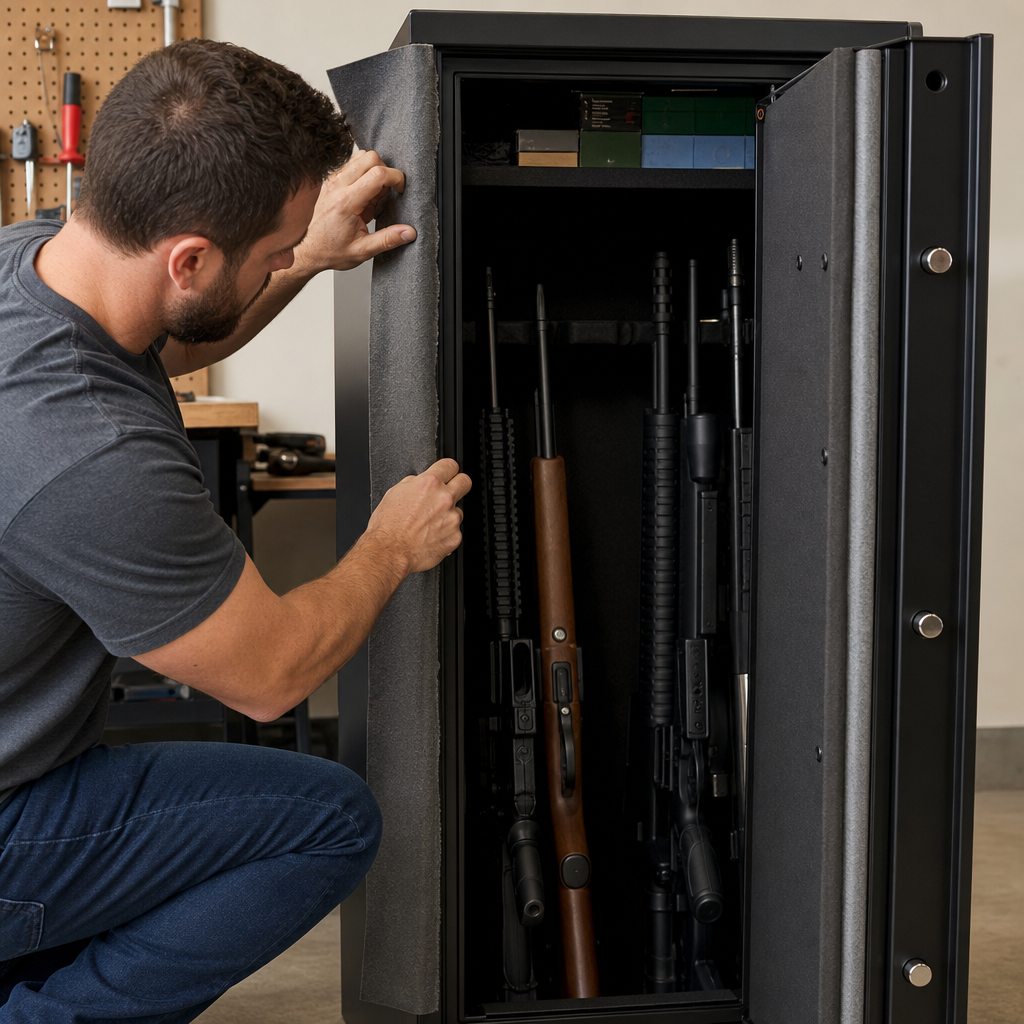
A gun safe’s fire rating is only a starting point, not a guarantee, which is why many owners look for ways to add extra fireproofing to a gun safe without compromising security, usability, or warranty coverage. In practical terms, extra fireproofing means improving how the safe resists heat transfer, blocks smoke and moisture intrusion, protects documents and optics, and manages the dangerous humidity spike that often follows a house fire. I have worked with gun safe installations in garages, basements, and interior closets, and the same lesson comes up repeatedly: factory ratings vary widely, marketing language can be misleading, and the conditions around the safe matter almost as much as the safe itself.
Before making modifications, it helps to define the key terms. Fire resistance is the period a safe can keep the interior below a specified temperature during a standardized furnace test. Most firearm safes are tested to protect paper, not necessarily electronics, optics adhesives, ammunition packaging, or finely oiled metal surfaces. Fireboard usually refers to gypsum-based board installed in layers inside the safe’s walls, ceiling, door, and floor. Intumescent seals are heat-activated materials that expand during a fire to reduce gaps around the door. Thermal bridges are conductive paths, usually metal, that move heat inward even when insulation is present. Understanding these basics prevents the most common DIY mistakes, such as adding flammable liners, blocking door closure, or trapping condensation inside the cabinet.
This topic matters because gun safes protect more than firearms. Many owners store tax records, passports, suppressor paperwork, hard drives, cash, and sentimental photos in the same enclosure. Those items can be ruined long before flames ever reach the safe. Paper chars around 451 degrees Fahrenheit, many digital media fail at far lower temperatures, and corrosive moisture can attack blued steel within hours after a fire event. A smart upgrade plan therefore focuses on layered protection: improve the safe itself, improve the environment around it, and protect the most heat-sensitive items with dedicated interior containers. That is the foundation for any reliable custom or DIY gun safe modification strategy.
Start With the Safe’s Real Fire Performance
The first step is evaluating what you already own. Manufacturer labels often state a time rating, such as 30, 45, 60, or 90 minutes, but the testing method may not be equivalent from one brand to another. Some companies use independent laboratories such as UL, while others rely on internal testing protocols. Those differences matter. A safe advertised for “60 minutes at 1400 degrees” may perform very differently from one certified under a stricter profile with a defined cool-down period. In my experience, owners often assume all ratings are interchangeable. They are not.
Inspect the construction details before adding anything. Look at the door gap, hinge design, body thickness, number of fireboard layers, and whether the door includes an expanding seal. Review the manual to see if drilling, adhesives, or interior panel removal voids the warranty. If your safe is a lighter residential security container rather than a true high-mass safe, there is only so much any DIY modification can accomplish. Extra materials can help, but they cannot turn a thin steel cabinet into a commercial fire safe. The goal is realistic improvement, not magical transformation.
Placement has a measurable impact on fire survival. A safe installed against an exterior garage wall sees different conditions than one located on a ground-floor interior wall. The best location is usually on a concrete slab, away from windows, fuels, and likely collapse zones, and preferably where fire crews can reach it quickly. I strongly prefer conditioned interior spaces over garages because garages often contain gasoline, solvents, and vehicles that intensify heat. Even a well-rated safe can lose performance if it sits in the hottest part of the structure.
Improve Insulation Without Creating New Risks
The most common DIY question is whether you can add more insulation inside a gun safe. The short answer is yes, but only with noncombustible materials and careful attention to fit, moisture, and moving parts. The safest approach is adding removable interior panels lined with fire-rated gypsum board or mineral wool, then covering them with a nonflammable or low-flame-spread fabric approved for the application. Mineral wool, often sold under brands such as Rockwool, performs well because it is dimensionally stable at high temperatures and does not feed a fire. Standard household foam boards are a bad choice because many melt, off-gas, or burn.
Adding insulation to the door panel often gives the best return because doors are common weak points. Measure the available cavity depth precisely and confirm that bolts, linkages, relockers, and lock bodies will not be obstructed. If you remove the factory panel, photograph each stage before changing anything. I have seen owners create lock failures simply by reinstalling interior trim screws that were too long and interfered with the mechanism. Keep all added assemblies removable. That preserves service access and reduces the chance of trapping hidden condensation against steel.
One important limitation: more insulation inside the safe reduces interior volume and may shift humidity behavior. Thick added panels can also change how quickly the safe cools after a fire. Slow cooling is generally helpful, but trapped moisture is not. For that reason, I recommend pairing any insulation upgrade with a humidity-control plan using a goldenrod-style dehumidifier, rechargeable desiccants, or both, depending on the room conditions. Fire resistance and corrosion prevention are linked. Treat them as a single system.
Upgrade Door Seals, Gaps, and Heat Paths
If your safe lacks an effective perimeter seal, adding one can provide a meaningful improvement. Intumescent fire seal products designed for fire doors or enclosures expand under heat and help reduce smoke and hot gas infiltration. The key is choosing a product with a documented temperature activation range, proper adhesive backing, and dimensions that match the door clearance. If the seal is too thick, the door may not latch fully. If it is too thin, it adds little value. Clean the mounting surface thoroughly and test for full lock engagement after installation.
Do not confuse weatherstripping with a fire seal. Typical rubber or foam weatherstrip may help with dust, but it can fail early in a fire and, in some cases, contribute smoke. A proper heat-reactive seal is the correct material. Likewise, avoid sealing every tiny gap in a way that traps daily humidity. Gun safes are not laboratory chambers. They need controlled, dry conditions in normal use. The practical solution is a perimeter fire seal combined with active dehumidification, not random caulks and household gasket tape.
Pay attention to thermal bridges. Steel shelves hard-bolted to the shell, door organizer hardware, and direct-contact metal trays can conduct heat inward faster than insulated surfaces. You cannot eliminate conduction entirely, but you can reduce it by using wood or composite shelf liners, spacing sensitive items away from walls, and keeping optics, documents, and electronics inside secondary insulated pouches or document boxes. In post-fire inspections I have handled, contents nearest the walls or door almost always showed the earliest signs of heat damage.
Protect the Interior With Layered Storage
Even after improving the shell, the best protection for vulnerable contents comes from nesting. Put passports, tax records, trust paperwork, hard drives, and small valuables into a dedicated document safe, fire pouch, or ETL- or UL-rated media container placed inside the gun safe. This “safe within a safe” approach is simple, affordable, and effective because it adds thermal mass and delays peak interior temperatures. It is especially useful when the main safe’s rating is modest or uncertain.
Firearms benefit from spacing and shielding. Keep at least a small air gap between stocks, barrels, and the safe wall. Use silicone-treated gun socks cautiously: they are excellent for scratch prevention and routine corrosion protection, but they are not substitutes for fireproofing, and some synthetic fabrics can degrade under high heat. For optics, night vision, and electronics, a secondary insulated box is strongly recommended because adhesives, seals, batteries, and screens can fail well below the temperatures that paper survives.
| Modification | Main Benefit | Best Use Case | Key Caution |
|---|---|---|---|
| Mineral wool or fireboard interior panels | Slows heat transfer through walls and door | Safes with removable interior panels and enough depth | Do not block lockwork, bolts, or ventilation planning |
| Intumescent door seal | Reduces smoke and hot gas entry at the door gap | Older safes with minimal factory sealing | Verify full latch and lock engagement after installation |
| Interior document or media box | Adds a second thermal barrier for sensitive items | Paper records, hard drives, passports, optics accessories | Choose a container rated for the contents, not just paper |
| Dehumidifier rod and desiccants | Limits corrosion before and after a fire event | Basements, garages, humid climates | Requires power access or periodic maintenance |
Control Humidity Before and After a Fire
Many people focus on flames and overlook the damage caused by steam, suppression water, and trapped moisture. In a fire, gypsum-based insulation releases chemically bound water as steam, which is part of how it protects contents. That process is useful, but it also means the safe interior can become humid even when the guns do not reach ignition-level temperatures. After the event, cooling air condenses moisture onto metal parts. This is why firearms that appear intact on day one sometimes show rust by day two.
A powered dehumidifier rod remains the most convenient solution for an occupied safe because it gently warms the air and encourages circulation. In spaces without electricity, large-capacity rechargeable desiccants are the next best choice, but they require strict maintenance. I tell owners to track relative humidity with a digital hygrometer and aim for roughly 40 to 50 percent for long-term firearm storage, adjusting for local conditions and stock material. If you add interior insulation or pouches, monitor humidity more often because microclimates form inside tightly packed safes.
After any nearby fire, open the safe only when conditions are safe to do so, document the contents, and begin drying immediately. Remove guns, wipe all exposed metal with an appropriate protectant, and inspect bores, screw heads, optic mounts, magazines, and trigger housings. Moisture hides in surprising places. A rust-prevention routine is not an optional add-on to fireproofing; it is part of the same protective system.
Safe Placement, Surroundings, and Structural Upgrades
Environmental modifications are often more effective than altering the safe itself. Building a noncombustible alcove around the safe with code-compliant materials, keeping distance from fuel loads, and installing the safe on concrete rather than wood framing can materially improve survival odds. If the safe sits in a basement prone to water intrusion, raise it on a steel stand or anchored masonry base so firefighting runoff cannot pool at the door seam. If it is in a closet, use Type X drywall where appropriate and maintain clearance required by local building rules and manufacturer guidance.
Anchoring also matters. A properly anchored safe is less likely to tip, shift, or suffer door distortion during structural movement. It also discourages burglary, which remains a more common threat than catastrophic house fire for many owners. This hub topic sits within custom and DIY gun safe modifications for a reason: the best results usually come from combining fire upgrades with practical improvements such as better anchoring, organized shelving, dedicated document storage, lighting, and humidity monitoring. Each modification supports the others when it is planned as part of a complete storage system.
Common DIY Mistakes to Avoid
The worst errors are usually simple. Owners line interiors with carpet padding, foam, moving blankets, or generic adhesives that are not fire-rated. They overpack the safe so air cannot circulate. They store loaded magazines, loose ammunition, paperwork, and electronics directly against the walls. They mistake a consumer fire pouch for a true media-rated container. They install aftermarket door panels without checking lock travel. Every one of these mistakes reduces reliability when the safe is under the most stress.
Another common problem is assuming more mass always means better performance. Weight helps, but only if the materials are appropriate and the door still closes squarely. Poorly attached panels can fall during movement, jam bolts, or create hidden rust points. If a modification involves drilling the body or door, stop and reconsider. Any penetration can weaken burglary resistance, create corrosion points, and void certification. In many cases, money is better spent on a secondary document safe, a dehumidifier, and safer placement than on invasive modifications.
The best way to add extra fireproofing to your gun safe is to think in layers. Verify the safe’s actual construction and rating, improve location, add noncombustible insulation where it fits safely, install proper heat-activated seals, and protect the most vulnerable contents inside rated interior containers. Pair every fire upgrade with humidity control, because moisture damage is one of the most predictable aftermath problems. For owners exploring custom and DIY gun safe modifications, this hub principle should guide every related project: protect the shell, protect the contents, and protect the environment around both.
No single modification can guarantee survival in every house fire, especially if the structure collapses or fuel loads are extreme. But disciplined upgrades can meaningfully improve your odds and reduce losses. Start with the highest-value changes first: better placement, door sealing, nested document storage, and reliable dehumidification. Then expand into interior panel upgrades only if your safe design supports them safely. Review your setup, identify the weakest point, and make one practical improvement this week.
Frequently Asked Questions
Can you safely add extra fireproofing to a gun safe without damaging it or voiding the warranty?
Yes, but the key is choosing upgrades that do not interfere with the safe’s structure, locking system, door seal, or factory fire lining. A gun safe’s published fire rating reflects how that exact model performed under specific test conditions, so once owners start drilling holes, gluing unknown materials to the interior, or modifying the door frame, they may reduce performance instead of improving it. The safest approach is to focus on non-invasive upgrades around the safe and inside the storage area rather than altering the steel shell itself. That usually means improving the room the safe sits in, adding fire-resistant barriers around the exterior with proper clearance, using document pouches or media chests for highly sensitive items, and upgrading moisture control inside the safe.
It is also important to understand what “extra fireproofing” really means in practice. You are not making the safe fireproof in an absolute sense. You are slowing heat transfer, reducing pathways for smoke and steam, and protecting the contents that are most vulnerable to heat and humidity, such as paper records, optics, wood stocks, suppressor accessories, and electronic items. Before doing anything permanent, check the owner’s manual and manufacturer guidance. Many safe makers specifically warn against modifications that affect the body, relockers, wiring ports, door movement, or expanding fire seals. If you want the most defensible setup, treat the factory safe as the first layer and build additional protection through placement, insulation strategy, and interior organization rather than structural alteration.
What is the best way to improve a gun safe’s fire protection without modifying the safe itself?
The best upgrade is usually a layered setup that combines smart placement, environmental control, and secondary protection for critical contents. Start with location. A safe installed in an attached garage, workshop, or exterior wall area is often exposed to faster temperature rise than one placed inside the conditioned part of the home, especially on a concrete slab with wide temperature swings. If possible, position the safe on a lower level of the home, away from flammable storage, fuel, paint, and direct attic heat. Interior closets, utility rooms with lower combustible load, and corners that are not on sun-baked exterior walls generally offer better fire performance than garages or detached buildings.
Next, think about the area around the safe. Owners sometimes create a modest fire-resistant enclosure using noncombustible materials such as Type X drywall or cement board on nearby walls, while still preserving ventilation, door swing, access, anchoring, and manufacturer-recommended clearance. This does not turn the setup into a certified fire vault, but it can reduce direct heat exposure and delay temperature rise. Inside the safe, use rated document bags, UL-classified media containers, and insulated lockboxes for passports, deeds, backup drives, and irreplaceable records. Those items often fail at lower temperatures than firearms do. Finally, add a quality dehumidification plan because one of the most overlooked threats after a fire is moisture. Steam, firefighting water, and trapped humidity can cause corrosion even if the firearms themselves survive the heat event.
Do fireproof document bags, media boxes, and interior organizers actually help inside a gun safe?
They do help, but only when used for the right purpose and with realistic expectations. A gun safe is designed primarily to resist theft and provide some degree of fire delay. It is not equally protective for every item stored inside. Paper may char, plastics may deform, lubricants may migrate, optics can be damaged by heat, and electronic media can fail at temperatures far below what many firearms can tolerate. That is why secondary protection inside the safe matters. Fire-resistant document bags and small insulated chests can create another thermal barrier, which buys time during a fire and can reduce exposure to smoke, ash, and water vapor.
The most useful strategy is to separate contents by vulnerability. Store legal documents, family records, cash, and backup drives in independently rated containers placed inside the safe. Keep optics, night vision accessories, and delicate electronics in padded, sealed cases with desiccant support. Organizers also matter because overcrowding reduces airflow and can trap moisture against metal surfaces. A clean layout with spacing between long guns, shelves for accessories, and dedicated bins for important paperwork makes the safe easier to inspect and easier to dry out if the home ever experiences smoke or water intrusion. Just remember that soft “fireproof” bags vary widely in quality. Look for credible testing information, clear heat limits, and products intended for the specific type of contents you are protecting, especially if you are storing digital media.
How do smoke, steam, and humidity affect firearms after a house fire, and what can you do to reduce that risk?
Heat is only part of the problem. In many real-world fire losses, smoke, steam, and post-fire humidity do as much damage as flames. As temperatures rise, air inside and around the safe can carry moisture and corrosive combustion byproducts. If firefighters respond with water, the humidity spike can be severe, especially once the safe begins cooling. That creates ideal conditions for rust on blued steel, staining on stainless finishes, corrosion in actions and bores, swelling in wood stocks, mold growth on slings and soft goods, and damage to optics or electronic accessories. Even if the safe itself is not breached and the contents never ignite, a harsh moisture event can leave firearms requiring full disassembly and restoration.
The best defense is active humidity management before anything ever happens. Use a reliable dehumidifier rod, rechargeable desiccants, or both, depending on the safe size and climate. Monitor interior humidity with a hygrometer rather than guessing. In damp regions or garage installations, owners often need more than one control method. Keep firearms lightly protected with appropriate rust preventive products, and avoid storing them in foam cases or fabric sleeves long term because those materials can trap moisture. If a fire does occur, open the safe only when it is safe to do so and begin drying and inspection promptly. At that stage, the goal shifts from fire resistance to corrosion control. Wipe down exposed metal, separate items so air can circulate, and involve a competent gunsmith for any firearm that shows heat exposure, residue inside the action, or signs of compromised ammunition storage nearby.
Are there any common mistakes people make when trying to add extra fireproofing to a gun safe?
Absolutely, and several of them are well-intentioned but counterproductive. One of the biggest mistakes is adding household insulation, spray foam, adhesives, or improvised liners directly to the interior walls or door panel. Those materials may be flammable, may release harmful fumes under heat, may trap moisture, or may interfere with moving parts and factory fire seals. Another frequent error is sealing the safe too aggressively from the inside in an attempt to block smoke. Many safes already rely on expanding seals and engineered gaps, so amateur sealing can affect door closure, compress the wrong surfaces, or create moisture retention during normal use. Owners also sometimes place the safe in the worst possible location, such as a hot garage next to fuel cans, a workshop with welding activity, or an exterior wall with intense sun exposure, then try to compensate with accessories inside the safe. Placement often matters more than add-ons.
A second category of mistakes involves misunderstanding ratings and storage priorities. A “30-minute” or “60-minute” label is not a promise that every item inside will emerge unharmed under every fire condition. Paper, drives, optics, and ammunition all respond differently to heat and moisture. People also overlook post-fire recovery by packing the safe too tightly, skipping humidity monitoring, or storing important documents loose on a shelf. The most effective setup is disciplined and layered: choose a better location, anchor the safe correctly, reduce combustible hazards nearby, protect sensitive items in secondary containers, and manage moisture year-round. If you are unsure whether a planned upgrade is safe, conservative decisions usually win. Avoid permanent modifications unless the manufacturer explicitly approves them, and focus on measures that improve protection without changing how the safe was designed to function.