
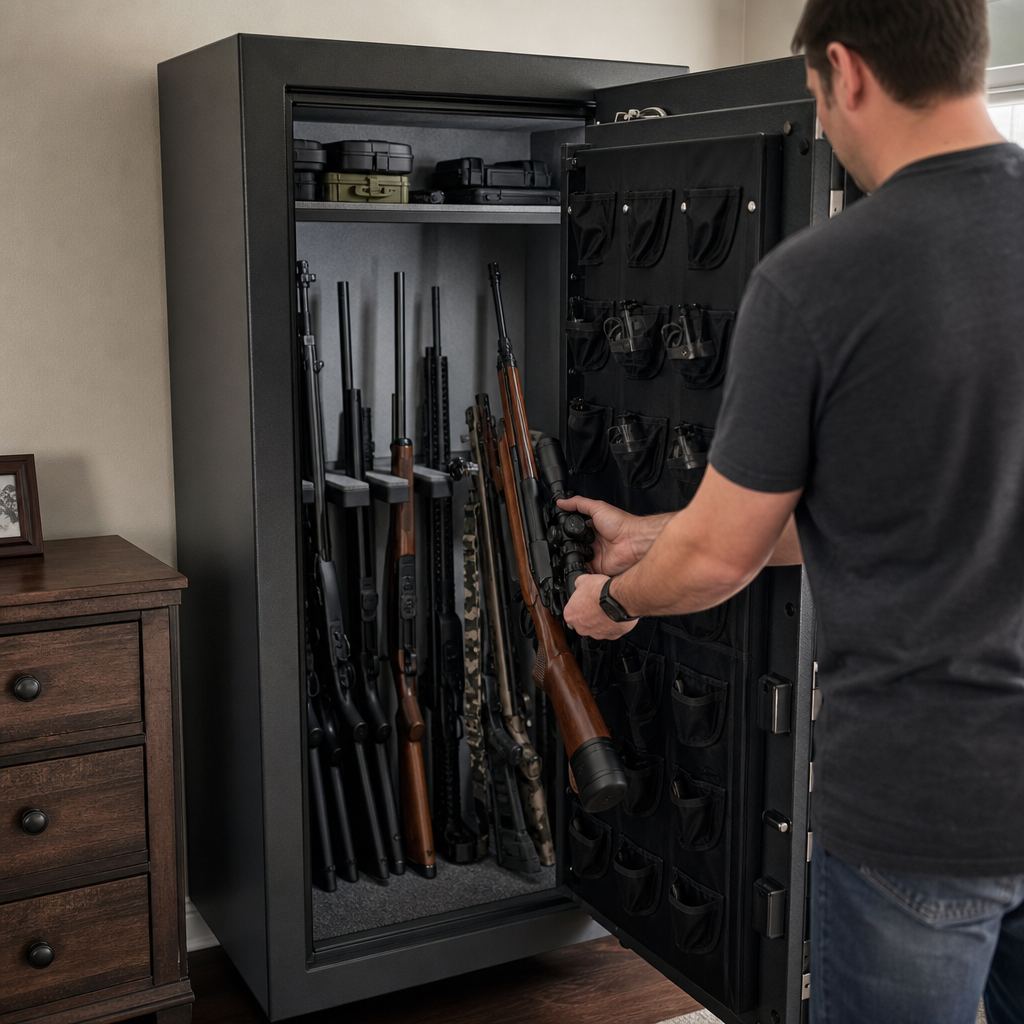
How to improve gun safe accessibility for quick emergency response starts with a clear goal: reduce retrieval time without weakening security, safety, or legal compliance. In practical terms, accessibility means how quickly and consistently an authorized user can open a safe, identify the correct firearm, and bring essential accessories into service under stress. Emergency response refers to high-pressure moments such as a home break-in, a wildlife threat on rural property, or the need to secure firearms rapidly when children or unauthorized visitors are present. A well-designed setup balances speed, retention, organization, and reliability.
I have worked with handgun vaults, full-size long-gun safes, modular cabinets, and retrofit interiors, and the pattern is always the same: most delays come from poor layout rather than lock speed alone. Owners often focus on buying a faster biometric reader while ignoring shelf height, lighting, cable routing, magazine storage, and the angle required to remove a firearm cleanly. The result is a safe that opens quickly but still forces fumbling. True improvement comes from custom and DIY gun safe modifications that treat the safe as a system instead of a box with a lock.
This topic matters because response time in an emergency is measured in seconds, yet safety planning must hold up for years. Quick access must never create negligent storage. In the United States, states and municipalities may impose child-access prevention rules, storage mandates, or civil liability standards, and insurance carriers may also care how firearms are stored. Manufacturers such as Fort Knox, Liberty Safe, Vaultek, Hornady, and SecureIt all design around the same core problem: authorized access should be fast, repeatable, and resistant to unauthorized entry. The best accessibility upgrades support those goals together.
As a sub-pillar hub for custom and DIY gun safe modifications, this guide covers the main levers that improve access: lock selection, interior reconfiguration, lighting, power management, firearm orientation, accessory staging, environmental control, and testing. It also explains where DIY work is appropriate and where it can damage fire ratings, void warranties, or reduce burglary resistance. If you want one principle to guide every modification, use this: make the first motion obvious, the second motion unobstructed, and every critical item reachable by touch in the dark.
Start with the access path: lock, door swing, and first-touch ergonomics
The fastest safe in real use is the one you can open correctly half-awake, in low light, with elevated heart rate. That usually means evaluating the entire access path, not just the lock type. Mechanical simplex-style pushbutton locks on quick-access vaults remain popular because they do not depend on batteries and can be operated by feel. Electronic keypads are widely available and can be very fast if button spacing is distinct and codes are short enough to enter under stress. Biometric readers can be excellent when sensors are high quality and enrolled with multiple fingers from both hands, but they should always have a dependable secondary method.
Door swing is the next major factor. I have seen capable safes placed so tightly beside beds, closets, or walls that the door opens only halfway, forcing a sideways reach and snagging optics or slings. If you can, relocate the safe or alter nearby furniture before changing the safe itself. For wall-mounted and bedside units, verify that the dominant hand can reach the lock naturally and that the support hand can guide the door without crossing the firearm’s removal path. Small changes in mounting height often cut retrieval time more than expensive hardware upgrades.
DIY modifications in this stage should stay low risk. Add textured grip tape near key touch points, install a larger lock dial aid if the manufacturer offers one, and mark keypad orientation discreetly with tactile dots. Avoid drilling through reinforced door structures unless the maker explicitly approves it. A hole in the wrong place can interfere with relockers, hard plates, or internal wiring. If an electronic lock struggles because of weak batteries, use premium alkaline or manufacturer-recommended lithium cells and replace them on a schedule rather than waiting for failure.
Reconfigure the interior for one-motion retrieval
Interior layout determines whether opening the door leads to immediate access or a cascade of snags. The ideal arrangement presents the primary defensive firearm in a neutral, repeatable position with clear grip access and enough clearance for attached lights, optics, and extended magazines. In long-gun safes, factory barrel notches and carpeted shelves often waste depth and force rifles to overlap. Aftermarket systems from SecureIt, Rifle Rods, and hook-and-loop panel providers allow vertical storage that separates firearms and keeps muzzle devices from catching. For handgun safes, molded racks or angled foam inserts can orient grips upward and slightly forward for a natural draw.
Think in layers. First layer is the emergency firearm. Second layer is supporting equipment such as a loaded spare magazine, handheld flashlight, hearing protection, and perhaps a medical kit depending on your plan. Third layer is everything else. If the first and second layers are blocked by documents, range bags, or less-used firearms, accessibility is compromised. I recommend assigning one clearly dedicated zone for immediate-response gear and resisting the urge to let general storage creep into it over time.
Custom shelving can help, but use materials carefully. Thin MDF sags in humid safes, and untreated wood can hold moisture. Powder-coated steel shelves, sealed plywood, HDPE panels, and closed-cell foam are more stable. Adhesive-backed hook-and-loop panels are useful for pouches and holsters, but buy industrial-grade products rated for heat and weight. Cheap adhesive often fails in summer temperatures, especially inside fire-lined safes. Test every mounted pouch by opening and closing the door repeatedly and by simulating quick access with the safe in darkness.
| Modification | Main Benefit | Best Use Case | Key Caution |
|---|---|---|---|
| Biometric lock upgrade | Very fast authorized entry | Bedside or closet quick-access vaults | Needs backup access and battery discipline |
| Angled handgun rack | Cleaner grip acquisition | Pistol safes and upper shelves | Confirm optics and light clearance |
| Vertical rifle organization system | Prevents overlap and snagging | Full-size long-gun safes | Measure scope height and barrel spacing |
| Motion-activated LED lighting | Faster target item identification | Any low-light environment | Avoid heat, glare, and poor adhesive strips |
| Door-panel magazine and light storage | Keeps support gear at hand | Safes with unused door depth | Do not overload hinges or block shelves |
Add lighting, power, and visibility upgrades that work in the dark
Low-light access failures are common and preventable. Interior lighting should turn on automatically when the door opens or when motion is detected. LED strip kits are the standard choice because they draw little power and generate minimal heat. For retrofits, warm-white or neutral-white LEDs usually produce better contrast than harsh blue-white strips, especially against black firearms and dark foam interiors. Place lighting along the door frame or side edges rather than directly above optics, where glare can make identification slower.
Power planning matters more than many owners expect. Battery-powered lights are simple, but they introduce another maintenance item. Hardwired kits with a protected pass-through can be cleaner, yet drilling for power can affect warranty terms and may compromise fire seals if done carelessly. In my experience, the safest route is to use manufacturer-approved cable ports where available, then secure wiring with clips that will not peel off in heat. If you use rechargeable systems, set a quarterly inspection schedule and document it with the same discipline used for smoke detectors.
Visibility is not only about light intensity. Contrast and labeling help too. Small reflective or tactile markers can identify the primary firearm position, spare magazine location, and flashlight pouch without making the safe obvious to unauthorized viewers. Keep labels discreet and internal. Avoid bright stickers or external cues that advertise contents. For users with aging eyesight, slightly larger keypad numerals, improved interior contrast, and reduced clutter often improve real access more than buying a new safe.
Use the door and dead space intelligently
Door-panel organizers are one of the most effective gun safe accessibility upgrades because they convert wasted depth into reachable storage. A well-designed panel can hold magazines, flashlights, suppressor tools, documents, and compact medical supplies where they are visible the moment the door opens. This reduces rummaging and keeps shelves open for firearms. Products from Liberty, Stealth, and aftermarket fabricators commonly use hook-and-loop backed pouches, stitched pockets, and MOLLE-compatible panels for flexible layouts.
The limitation is weight and interference. Overloaded doors can change how a safe closes, strain hinges, or cause pouches to collide with shelf edges. Before installing a full organizer, close the door with cardboard mockups matching pouch thickness. Check for contact at every shelf position. If your safe uses adjustable shelves, shift them slightly to preserve door clearance rather than forcing the organizer to fit. Keep heavy ammunition off the door unless the manufacturer specifically rates the door for that load.
Dead space also exists under shelves, along sidewalls, and in the floor corners. Magnetic mounts, adhesive utility loops, and low-profile trays can hold keys, backup batteries, or desiccant packs. Use magnets only where they cannot contact optics, moving lock components, or polished finishes. A simple sidewall holder for electronic hearing protection can be a meaningful emergency-response upgrade because it lets you protect hearing without searching a drawer in the dark.
Match modifications to firearm type and household needs
Not every safe should be optimized the same way. A bedside pistol vault serving one trained adult has different requirements from a family gun room, a hunting safe, or a ranch entryway cabinet used for predator control. Handgun access benefits from a consistent grip angle, a dedicated spare magazine location, and one-handed opening. Long-gun access benefits from reduced overlap, scope clearance, and enough floor space to lift a rifle without banging a muzzle brake into the frame. Shotguns often need extra fore-end clearance, while modern sporting rifles may need accommodation for lights, slings, and red-dot magnifier setups.
Household composition changes the design. If children are present, speed must coexist with strict access control and predictable staging. If more than one authorized adult may need the safe, test whether both can operate the lock and retrieve the primary firearm from their usual positions in the room. Left-handed users are often poorly served by default layouts, so mirror the storage pattern if needed. In multilingual households or shared properties, keep emergency procedures simple and standardized. Everyone authorized should know which compartment holds what and what should never be touched.
For this hub topic, the broader lesson is that custom and DIY gun safe modifications work best when they solve a clearly defined use case. A competition shooter may prioritize pistol density and magazine indexing. A homeowner focused on defensive access may prioritize a single firearm lane, low-light lighting, and silent entry. A collector may prioritize preservation and theft resistance over speed. There is no universal layout, but there are universal standards: the setup must be safe, repeatable, and easy to maintain.
Protect security, fire performance, and legal compliance while modifying
Every modification carries tradeoffs. Drilling the body can create corrosion points, weaken burglary resistance, or interfere with composite fire insulation. Replacing interior materials with highly flammable foam or fabric can be a poor choice in a fire-rated unit. Altering lock systems without approved parts can void support coverage. The best practice is to read the manufacturer’s manual, ask for written approval when changes affect the shell or lock, and keep records of what you changed. If the safe is part of an insurance declaration, update photos and serial records after major modifications.
Security discipline matters just as much as hardware. Do not stage a firearm in a way that risks trigger contact during retrieval. Use quality holsters or retention racks if the firearm is stored loaded, and follow the manufacturer’s guidance for storage condition. Keep keys, override keys, and lock codes controlled. If you rely on biometric access, enroll multiple fingers, maintain sensor cleanliness, and train with the backup method. The point of accessibility is dependable authorized access, not convenience at any cost.
Finally, test your setup. Time retrieval in daylight, darkness, and from sleep. Run dry practice only, with strict safety procedures and no live ammunition in the room. Note where your hand hesitates, where equipment snags, and what falls out of place after repeated openings. The best gun safe accessibility improvements are usually iterative: move one pouch, lower one shelf, add one light strip, then test again. If you want better emergency response, treat the safe like lifesaving equipment. Audit it, maintain it, and refine it until access is fast for you and difficult for everyone else.
Improving gun safe accessibility for quick emergency response is not about a single product or trendy upgrade. It is about designing a reliable sequence: open, identify, retrieve, and deploy support gear without confusion. The strongest results come from simple, high-value changes: a lock you can operate under stress, a door that opens fully, a dedicated primary-firearm position, lighting that works instantly, and support items stored where your hand expects them. When those basics are in place, custom and DIY gun safe modifications become practical tools rather than random add-ons.
The biggest mistake is optimizing only for speed. A fast setup that compromises child safety, legal compliance, or safe integrity is a bad setup. Balance matters. Use manufacturer-approved parts where possible, choose durable materials, and document every change that affects the shell, lock, or power routing. Build around your actual use case, whether that means a bedside handgun vault, a long-gun safe in a mudroom, or a modular cabinet for shared authorized users. The correct design is the one that stays secure, organized, and repeatable month after month.
As the hub for custom and DIY gun safe modifications, this guide should help you evaluate every future upgrade through one lens: does it make authorized access faster and safer at the same time? Start with one audit of your current safe tonight. Check the lock, the door swing, the interior layout, and the lighting. Then make the smallest change that removes the biggest delay, test it, and build from there.
Frequently Asked Questions
What does “gun safe accessibility” really mean in an emergency?
Gun safe accessibility is not simply about opening the door fast. In an emergency, it means an authorized user can reach the safe quickly, unlock it reliably under stress, immediately identify the correct firearm, and access any essential supporting items without confusion or delay. That includes factors such as where the safe is located, how the locking method performs in low light or high-adrenaline situations, how the interior is organized, and whether the user has practiced the exact sequence enough to perform it consistently. True accessibility balances speed with control. A setup that is fast but disorganized can create hesitation, while a setup that is highly secure but overly complicated can slow response at the worst possible time. The goal is to create a repeatable system that works when fine motor skills, attention, and decision-making are all under pressure.
How can I make my gun safe faster to access without reducing security?
The best way to improve access speed without weakening security is to optimize the entire retrieval process rather than trying to bypass safeguards. Start with safe placement. A defensive firearm safe should be located where an authorized adult can reach it quickly from likely points of need, but still remain out of unauthorized hands. Next, evaluate the locking method. Many owners find that a high-quality biometric safe with a dependable keypad backup or a fast electronic keypad with tactile buttons offers a good combination of speed and control. Mechanical simplex-style locks can also be effective because they do not rely on batteries and can often be operated by touch in darkness. Inside the safe, store the designated emergency firearm in a consistent position, oriented the same way every time, with any essential accessory such as a mounted light, spare magazine, or other critical item placed in an obvious, fixed location. Eliminate clutter and avoid using the defensive safe as a general storage box.
Security should still remain non-negotiable. Use a safe designed for quick access but built to resist tampering, pry attacks, and unauthorized entry. Bolt it down if appropriate, maintain updated batteries where applicable, and test locking reliability regularly. Most important, every authorized user should know exactly how the safe operates and should practice opening it under realistic conditions. Improving accessibility is about reducing wasted motion, confusion, and inconsistency, not about making the firearm casually available.
What type of lock is best for quick emergency firearm access?
There is no single best lock for every household, because the right choice depends on your environment, your stress response, who needs access, and how much reliability you demand from the system. Biometric locks are popular because they can be extremely fast, especially when an authorized fingerprint is read instantly. However, fingerprint performance can vary based on skin condition, moisture, dirt, sensor quality, or placement of the finger during a rushed attempt. For that reason, a biometric safe should ideally include a well-designed secondary access method such as a keypad or mechanical override, and it should be tested regularly by the actual users who may need it in an emergency.
Electronic keypads are often a strong option because they can be fast, predictable, and easy to use with repetition. Models with raised or backlit buttons may offer an advantage in low light, and many users appreciate that keypad performance is not affected by fingerprints or hand condition. Mechanical push-button locks, including simplex-style designs, are also highly respected for emergency use because they can often be operated by touch alone and do not depend on batteries or electronics. Their strength lies in mechanical simplicity and consistency, though they still require practice to use quickly. Traditional key locks are generally less ideal for true emergency response because the key must be located, inserted, and turned under stress, which adds time and increases the chance of fumbling. In most cases, the best lock is the one that combines dependable security with a method the authorized user can execute correctly, quickly, and repeatedly in realistic conditions.
How should I organize the inside of a gun safe for the fastest, safest response?
Interior organization has a major effect on emergency performance, yet it is often overlooked. The first principle is to dedicate the quick-access safe or quick-access compartment to the firearm intended for defensive use, rather than mixing it with unrelated firearms, documents, tools, or miscellaneous gear. The designated firearm should be stored in a repeatable position so the grip, orientation, and retrieval path are always the same. If the firearm depends on a mounted light or another essential accessory, that setup should remain attached and ready in accordance with safe handling practices, manufacturer guidance, and applicable law. If a spare magazine or another support item is part of your emergency plan, place it in a specific compartment that can be reached without searching.
Visibility and simplicity matter. Use interior lighting if the safe supports it, or choose a layout that allows identification by touch and memory. Avoid overpacking. A crowded safe increases the chance of snagging, selecting the wrong item, or wasting precious seconds making decisions. If more than one authorized adult may need access, standardize the layout so every user expects the same arrangement. It is also wise to review the setup periodically to confirm nothing has shifted and that all items remain functional. A well-organized interior reduces hesitation, supports safe handling, and makes the response process more deliberate even when the situation is chaotic.
How often should I test and practice gun safe access for emergency readiness?
Practice should be regular enough that opening the safe and retrieving the intended firearm becomes a consistent, low-error process rather than a task you hope will go smoothly. A good baseline is to conduct periodic checks of the safe itself and routine dry practice of the access sequence using all safety precautions, with ammunition stored separately during training if appropriate for your setup and legal environment. The focus should be on reliable execution: moving to the safe, opening it without fumbling, identifying the correct firearm instantly, and confirming that the layout, lock, batteries, lighting, and accessories all work as expected. Practice in realistic conditions, including low light, early morning hours, and from the rooms where access might actually begin.
Testing should also include maintenance intervals. Replace batteries proactively in electronic or biometric safes, clean sensors and buttons, inspect mounting hardware, and verify the safe still opens smoothly. If more than one authorized user may need access, each person should practice separately and demonstrate consistent success. At the same time, practice must never become casual handling. Maintain strict safe gun handling habits, follow all local and state laws, and ensure the storage method continues to prevent unauthorized access by children, guests, or prohibited persons. The purpose of practice is not to become reckless or hurried. It is to build a disciplined, repeatable routine that preserves security while reducing delay when seconds matter.