
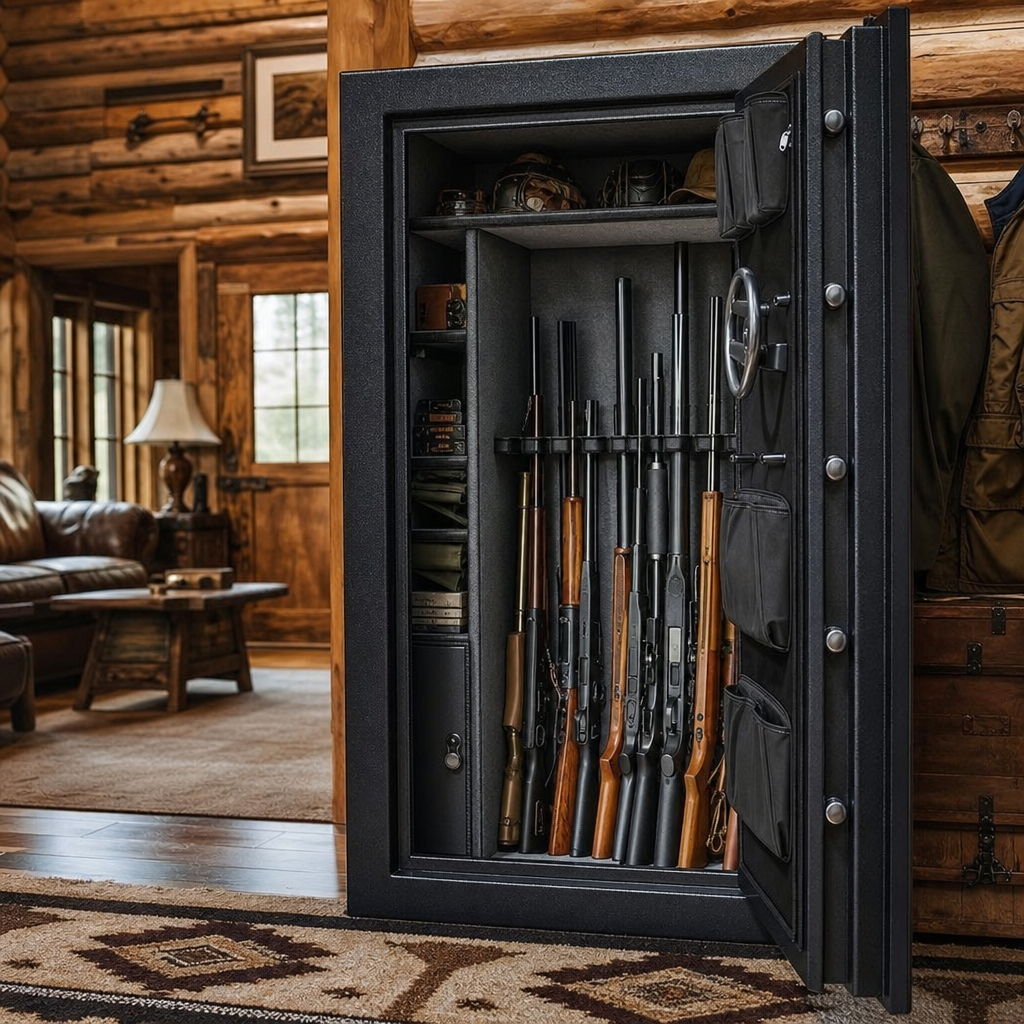
Choosing the most durable gun safe brand on the market requires more than comparing logos, price tags, or advertising claims. Durability in a gun safe means the cabinet or body resists forced entry, the door stays aligned after years of use, the lock functions reliably, the finish withstands humidity and wear, and the interior protects firearms from corrosion, impact, and fire-related damage. When buyers ask which brand is toughest, they are really asking a broader question: which manufacturer consistently builds safes that hold up under attack, heavy use, and environmental stress while still fitting a real household or commercial security plan.
In my experience evaluating residential security containers, true safes, and premium gun vaults, the answer is rarely one name for every buyer. The most durable gun safe brand depends on construction standards, lock quality, steel thickness, bolt design, weld integrity, fire protection method, and long-term service support. Some brands excel in brute steel construction. Others balance burglary resistance with refined interiors and nationwide dealer service. A few market heavily but rely on thinner steel and feature lists that sound impressive until you inspect the body, door edge, hinge system, and lock mounting plate.
This hub for gun safe comparisons and brand spotlights explains how to judge durability correctly, which brands are strongest in different categories, and where common tradeoffs appear. It also gives plain-language answers to the questions shoppers ask most: Is thicker steel better than a higher fire rating? Are imported safes less durable than American-made models? Does a heavier safe always mean better security? By the end, you will know which brands deserve attention, which specifications matter most, and how to narrow your search before moving into detailed model-by-model reviews across the wider Gun Safes & Safety section.
What durability means in a gun safe
Durability is not a marketing adjective; it is a measurable combination of structural strength, mechanical reliability, and long-term protective performance. The first metric is steel thickness. Many mass-market gun safes use 14-gauge or 12-gauge steel bodies, which can be acceptable for basic storage but are easier to pry or cut than 10-gauge, 7-gauge, or thicker plate. Door construction matters just as much. A composite-looking door can still have a relatively thin outer skin, while a genuinely durable door includes thick plate steel, reinforced bolt channels, and hard plate shielding around the lock.
The second metric is design integrity. Continuous welds, robust internal hinges or protected external hinges, a strong relocker system, and a reinforced door frame improve real-world resistance. I pay close attention to how a safe handles leverage attacks because that is where weak fit-and-finish problems show up first. Sloppy gaps, flexible door edges, and lightly anchored interiors usually indicate broader compromises. The third metric is environmental endurance. Powder-coated finishes, dehumidifier compatibility, quality door seals, and stable interior materials affect whether the safe still performs after ten or fifteen years in a garage, basement, or hunting property.
Fire protection belongs in the durability conversation too, but it should be interpreted carefully. Fire ratings are not standardized across all brands, and many are based on proprietary testing rather than independent certification. A safe advertised for sixty or ninety minutes may provide useful heat protection, yet that claim does not automatically indicate superior burglary durability. Buyers often overvalue the sticker and undervalue the steel. The most durable gun safe brands get the fundamentals right first: body strength, door strength, lock protection, and dependable assembly.
Which gun safe brands are widely considered the most durable
If the question is which gun safe brand is most durable overall, several names consistently rise to the top: AMSEC, Graffunder, Fort Knox, Rhino Metals under certain lines, Brown Safe, and Sturdy Safe. These brands earn attention because they are known for heavier steel, better door construction, stronger lock protection, and fewer cosmetic shortcuts than entry-level competitors. Among broader retail brands, AMSEC has one of the deepest reputations because its lineup ranges from solid residential security containers to true high-security safes, and its BF series is often cited as a benchmark for balancing burglary resistance, fire protection, and long-term build quality.
Graffunder is frequently mentioned when buyers want near-tank-like construction. Its safes are exceptionally heavy, use thick steel, and are built with an emphasis on brute strength. Brown Safe is another premium name with serious steel specifications and custom-grade construction, often favored by buyers who want uncompromising protection and are prepared for the cost, delivery complexity, and floor-load planning that come with it. Fort Knox has long been respected for customization, robust American manufacturing, and heavy-gauge options that exceed what most big-box shoppers ever see on a sales floor.
Sturdy Safe deserves special mention because it has built a loyal following around straightforward engineering. It emphasizes thick steel and practical anti-pry design over luxury presentation. The interiors can be less polished than high-end showroom brands, but many experienced owners care more about defensive structure than decorative paneling. For buyers who want premium appearance with strong build quality, certain Rhino lines, including higher-tier models, compete well. By contrast, many heavily advertised mainstream brands offer acceptable storage but usually do not lead the market in raw durability once you compare steel gauge, boltwork, and door composition directly.
How major brands compare on construction quality
When comparing gun safe brands, it helps to separate premium manufacturers from mass-market residential security container brands. Premium builders typically publish meaningful steel specifications, offer thicker body upgrades, use better hard plate and relocker arrangements, and maintain more consistent weld quality. Mass-market brands often focus on capacity numbers, door organizer accessories, and long fire labels while using thinner shell steel. That does not make them useless; it means they are built for a different risk level and budget.
| Brand | Durability Strength | Typical Tradeoff | Best Fit |
|---|---|---|---|
| AMSEC | Strong steel, proven lock protection, broad lineup | Top lines get expensive quickly | Buyers wanting balanced premium performance |
| Graffunder | Exceptional mass and heavy plate construction | Very high price and installation demands | Maximum residential durability |
| Fort Knox | Heavy-gauge options and strong customization | Options can complicate value comparison | Shoppers wanting tailored specifications |
| Sturdy Safe | Thick steel and practical anti-pry engineering | Less refined interior finish | Security-first buyers |
| Rhino | Good higher-tier construction and fit | Entry models vary by line | Style and strength balance |
One pattern appears repeatedly in side-by-side inspections: durable brands invest in the parts buyers rarely notice online. Examples include reinforced door jambs, better lock mounting, thicker continuous steel rather than layered cosmetic panels, and upgraded bolt carriers that stay aligned after thousands of cycles. On delivery day, these details are invisible. Five years later, when the safe door still closes smoothly and the frame shows no twist after a move or attempted pry attack, they matter a great deal. That is why brand reputation in this category is usually earned over decades, not sales promotions.
Why AMSEC often leads the discussion
AMSEC, short for American Security, often leads best gun safe brand conversations because it covers multiple security tiers without losing engineering credibility. The company is widely known in both gun storage and commercial safe circles, which matters. Brands that also build jewelry, pharmacy, or cash-management safes tend to understand burglary engineering beyond consumer showroom trends. AMSEC’s BF series, for example, is frequently recommended because it uses a thick steel body combined with a poured or composite-style fire barrier and a substantial door structure. That formula gives buyers meaningful burglary resistance without jumping immediately into ultra-premium custom pricing.
Another reason AMSEC stands out is lock and hardware consistency. Many models offer trusted mechanical or electronic locks from established names such as Sargent and Greenleaf or SecuRam, rather than generic components with unclear service histories. Its higher-tier safes also benefit from serious boltwork and hard plate arrangements. In practical terms, AMSEC tends to satisfy the widest range of buyers: collectors storing several long guns, homeowners protecting documents and valuables, and users who want a safe that feels clearly more substantial than warehouse-club offerings. It is not always the absolute heaviest option, but it is one of the safest recommendations for durability per dollar.
That said, not every AMSEC model is equal. Like most major brands, it has lines built to different targets. Buyers still need to compare body thickness, door construction, lock options, and certification level. The reason AMSEC remains a reference point is not that every safe it makes is the toughest available; it is that its stronger lines hold up well under serious scrutiny and often set the standard against which many competitors are measured.
When ultra-premium brands make sense
For some owners, the most durable gun safe brand is not the best-known retail name but an ultra-premium maker such as Graffunder or Brown Safe. These brands make sense when the threat profile is elevated, the collection value is high, and the buyer is willing to treat the purchase like a permanent infrastructure project rather than furniture delivery. I have seen shoppers underestimate what this means. A truly heavy premium safe may require structural review, specialty movers, stair planning, and anchored placement on reinforced concrete. Those logistics are not drawbacks if the goal is maximum security; they are part of the package.
Ultra-premium safes justify their reputation with thick plate steel, formidable door systems, and construction methods that are simply outside the norm for consumer gun safes. They also tend to age well because their mass, weld quality, and hardware are designed with long service life in mind. The tradeoff is cost efficiency. If your collection is modest and your home security layers are already strong, a top AMSEC, Fort Knox, or Sturdy Safe may deliver more sensible value. But if you want the closest thing to a residential vault without building a safe room, these brands are where the discussion becomes serious.
Common mistakes buyers make when comparing durability
The biggest mistake is treating advertised gun capacity as a signal of value. Capacity numbers are usually optimistic and unrelated to security strength. The second mistake is assuming a heavier safe is automatically better. Weight matters, but some of it comes from gypsum fireboard, interior materials, and door paneling rather than burglary-resistant steel. Ask where the weight comes from. The third mistake is focusing on locking bolts alone. More bolts do not guarantee more security if the door skin, frame, and bolt carriage are weak.
Another common error is ignoring certification language. A California DOJ listing confirms legal firearm container status for certain purposes, but it is not the same as a higher burglary classification such as UL Residential Security Container. Even then, an RSC is still below the level of a true high-security safe. Shoppers also overlook after-sale support. A durable brand should have accessible parts, lock service pathways, and a dealer network or factory support process that still exists years later. Finally, many buyers overspend on decorative interiors and underspend on anchoring. A well-anchored mid-to-upper-tier safe often outperforms a more glamorous but poorly installed one.
How to choose the right brand for your situation
Start with threat level, not brand prestige. If the safe is for basic home storage in a low-risk area, a solid mid-tier safe from a reputable brand may be enough. If the safe will sit in a garage, second home, or lightly occupied property, favor thicker steel and simpler, stronger construction. If your collection includes expensive optics, NFA items, heirloom firearms, or important documents, move up the durability ladder fast. Then evaluate local support. The best brand on paper becomes less attractive if no qualified mover or lock technician can service it in your region.
Next, compare a short list using objective specifications: body gauge, door thickness, lock brand, relocker presence, certification level, fire barrier method, hinge protection, and total weight. Read model-specific reviews, not just brand-level praise. A brand can make excellent premium safes and average entry-level ones at the same time. As this sub-pillar hub expands, use it to navigate deeper comparisons on American-made versus imported gun safes, mechanical versus electronic lock reliability, fire-rated gun safe testing, and premium brand spotlights. The most durable gun safe brand for you is the one whose construction matches your risk, budget, installation constraints, and long-term ownership expectations. Shortlist carefully, inspect specifications line by line, and buy once.
Frequently Asked Questions
What actually makes a gun safe brand “durable” in the real world?
Durability in a gun safe goes far beyond a thick-looking door or a recognizable brand name. A truly durable gun safe is built to resist forced entry, maintain structural integrity over years of use, and continue protecting firearms under harsh conditions like humidity, temperature swings, and repeated opening and closing. That starts with the steel body and door construction. Heavier-gauge steel, reinforced door edges, strong welds, hard plates protecting the lock, and robust bolt systems all contribute to a safe’s long-term toughness. If the cabinet flexes easily, the door sags over time, or the locking bolts lose alignment, the safe may look impressive at first but fail where it matters most.
Lock reliability is another major part of durability. A safe that cannot open when needed or develops recurring lock issues is not truly durable, even if its body is heavy. High-quality mechanical or electronic lock systems, properly installed relockers, and internal components that hold up under regular use matter just as much as exterior steel thickness. The finish also plays a role. In humid garages, basements, or workshops, a durable safe needs a coating that resists rust, scratches, and general wear. Inside the safe, protective door seals, fireboard placement, carpeting or interior paneling, and moisture-control compatibility all help preserve firearms, optics, and documents over the long term.
In practical terms, the most durable gun safe brand is usually the one that consistently balances pry resistance, reliable hardware, solid construction methods, and long-term fit and finish across its product line. Buyers should focus less on slogans and more on measurable construction details, warranty support, lock quality, fire protection design, and the manufacturer’s reputation for consistency.
Is there one gun safe brand that is universally considered the most durable?
There is no single brand that is automatically the most durable for every buyer, because durability depends on the type of safe, its construction tier, and how it will be used. Some brands are known for heavier steel and more security-focused construction, while others emphasize fire protection, interior capacity, or value pricing. Premium American-made brands often stand out for thicker bodies, stronger doors, better weld quality, and upgraded lock protection, but even within respected brands, not every model is built to the same standard. Entry-level models from a well-known manufacturer may be less robust than higher-end models from a lesser-known competitor.
That is why experienced buyers evaluate specific models rather than assuming the logo tells the whole story. A durable gun safe brand is one with a strong track record for build quality, dependable lock systems, rigid door alignment, and good long-term customer support. Brands frequently regarded as durable tend to offer heavier steel options, reinforced door frames, quality boltwork, and credible fire protection engineering rather than relying only on cosmetic features. The best brands also tend to publish meaningful specifications instead of vague marketing language.
The smartest conclusion is that the most durable gun safe brand is usually the one that proves its quality through construction details and consistency, not branding alone. If you are comparing top names in the market, look closely at steel gauge, door plate thickness, locking mechanism design, hinge support, relocker presence, fire seal quality, and how the company handles warranty claims and replacement parts. Those factors will tell you far more about real durability than reputation by itself.
How can I compare gun safe brands if marketing claims all sound the same?
The best way to compare gun safe brands is to look past broad advertising terms like “military style,” “heavy duty,” or “maximum security” and focus on hard construction details. Start with steel thickness in the body and door. This is one of the clearest indicators of resistance to cutting, prying, and general structural flex. Then examine the door design itself. A durable safe should have a strong door edge, good fitment within the frame, and boltwork that secures multiple sides without relying on decorative features. Pay attention to whether the company explains how its locking bolts function, how the hinges are supported, and whether hard plates and relockers protect the lock area.
Next, consider long-term performance factors. Durable brands tend to use better internal organization, stronger shelves, quality hinges, and finishes that resist corrosion and abrasion. Read about the lock options offered. Trusted lock brands and replaceable components are good signs, especially if the manufacturer supports both electronic and mechanical configurations. Fire protection should also be evaluated carefully. Not all fire ratings are created equal, and some companies use testing language that sounds reassuring without clearly stating how the rating was achieved. A more durable and trustworthy brand is usually more transparent about insulation methods, seal systems, and test conditions.
Finally, compare reputation where it matters most: owner experience after several years of use. Look for patterns involving lock failures, warped doors, finish breakdown, shipping damage, and warranty responsiveness. A brand that builds a safe which still opens smoothly, seals properly, and protects contents after years in a garage or basement is demonstrating real-world durability. Comparing specifications, transparency, and long-term owner feedback will give you a much better answer than any catalog description.
Are heavier and thicker gun safes always more durable?
Heavier and thicker gun safes are often more durable, but not always. Added steel generally improves resistance to prying, cutting, and cabinet deformation, which are major parts of real durability. A thicker door and body can make it significantly harder for a thief to breach the safe quickly. Extra mass can also improve overall rigidity so the door remains aligned and the locking system operates smoothly over time. In that sense, weight is often a useful clue that a safe is built to a higher standard.
However, weight alone does not guarantee better durability. A poorly designed safe can still be vulnerable if the door frame is weak, the welds are inconsistent, the lock is unreliable, or the boltwork is more cosmetic than functional. Some safes achieve impressive weight through added fireboard or decorative materials rather than stronger anti-theft construction. Others may use many locking bolts for appearance while lacking the structural strength to resist a serious pry attack. That is why buyers should consider how the safe is engineered, not just how much it weighs.
True durability comes from a combination of solid steel construction, dependable lock protection, strong hinge and door support, good corrosion resistance, and quality manufacturing control. A heavier safe from a reputable brand is often a safer bet than a light cabinet marketed as a premium safe, but the most durable choice is one where the weight reflects meaningful structural strength and not just marketing value. In short, thickness matters, weight matters, but design quality matters just as much.
What should buyers look for if they want a gun safe brand that will last for decades?
If you want a gun safe that can last for decades, start by choosing a brand known for consistent construction quality and support after the sale. Long-term durability depends on more than anti-theft strength on day one. You want a safe with a rigid body, well-supported door, high-quality lock system, corrosion-resistant finish, and an interior that protects firearms from moisture, scratches, and shifting over time. Look for brands that offer clear steel specifications, reputable lock options, strong warranty coverage, and a history of supplying replacement parts and service when needed.
It also helps to choose a safe sized for future needs rather than current needs only. Overcrowding a safe can lead to damaged optics, stock dings, and poor airflow, all of which reduce the protective value of the unit. Durable brands often offer better shelving systems, more adaptable interiors, and better fit and finish inside the safe as well as outside. If fire protection is important, review how the brand approaches fire sealing, insulation layering, and door gap management. A safe that holds up physically but allows heat, smoke, or moisture intrusion is not delivering complete long-term durability.
Finally, remember that even the most durable gun safe brand performs best when the safe is installed correctly. Bolting it down, managing humidity with a dehumidifier or desiccant, keeping it in a controlled environment when possible, and maintaining the lock according to the manufacturer’s guidance all extend service life. The best brands build durable products, but the best outcomes come when good construction is paired with good setup and care. That combination is what turns a solid purchase into a decades-long investment.