
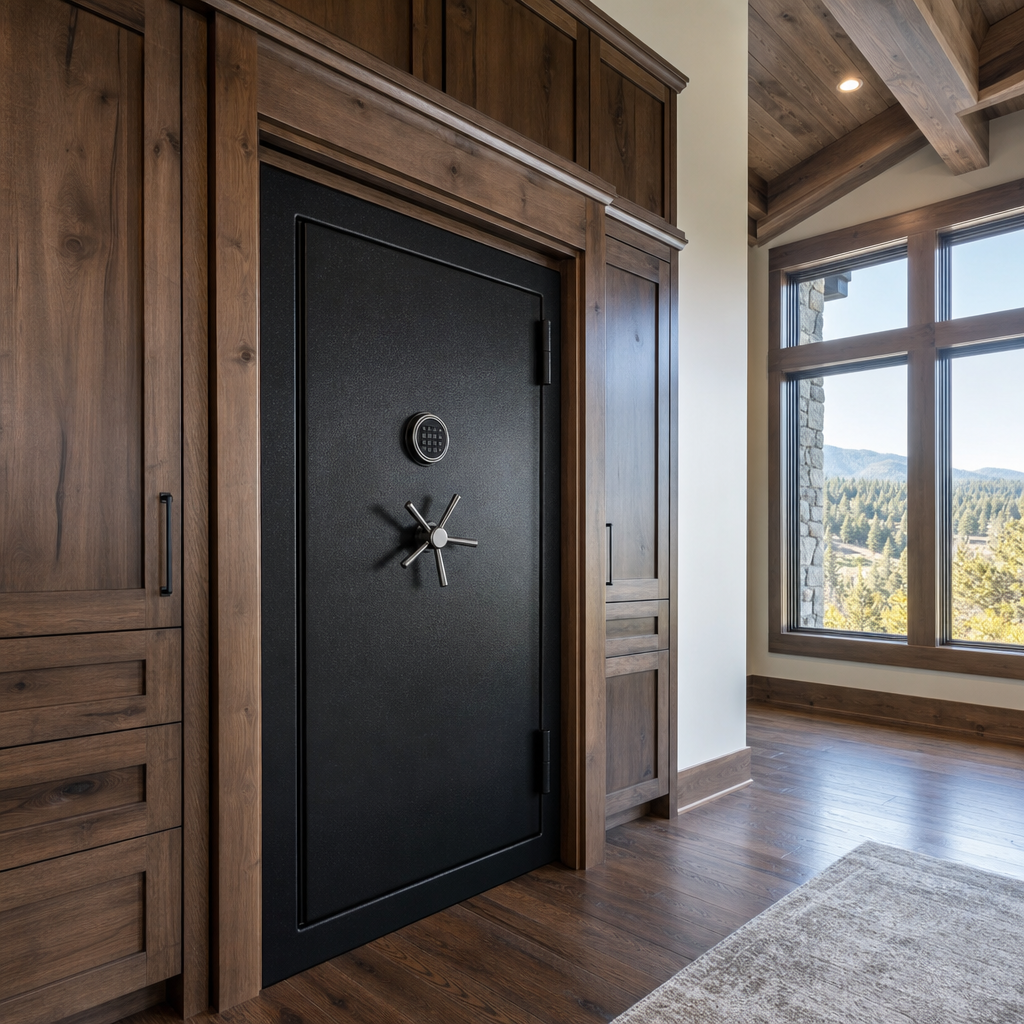
Choosing the best gun safe brands for custom installations requires more than comparing steel thickness and lock logos. A custom installation changes the decision entirely because the safe must fit a defined space, meet structural limits, satisfy fire and theft goals, and work with the owner’s collection now and years from now. In practical terms, a custom installation means the safe is selected and positioned for a specific room, alcove, closet, safe room, or built-in enclosure rather than purchased as a standalone box dropped into the garage. That difference matters.
When I have helped evaluate safes for remodels, new construction, and retrofits, the strongest brands were not always the ones with the loudest marketing. The best gun safe brands for custom installations are the manufacturers that offer flexible sizing, dependable lock options, credible fire protection design, solid interior modularity, and dealer support that can coordinate delivery, stair carries, anchoring, and finish details. A great custom-fit safe should solve space and security problems at the same time.
This hub article covers gun safe comparisons and brand spotlights with custom projects in mind. It explains what separates a standard residential security container from heavier true safes, why dimensions and door swing often matter more than brochure capacity, and which brands consistently perform well in built-ins, closet installations, room conversions, and premium display walls. If you are asking which gun safe brands are best for custom installations, the short answer is this: brands such as Fort Knox, Liberty, Browning, American Security, Rhino Metals, Hollon, and Vaultek each fit different installation goals. The right choice depends on layout, collection type, budget, and whether concealment, access speed, or maximum burglary resistance comes first.
What matters most in a custom gun safe installation
A custom installation starts with constraints. Measure rough opening width, ceiling height, baseboard depth, stair turns, elevator dimensions, and floor load capacity before you compare glossy catalogs. Many buyers focus on quoted gun counts, but those numbers are optimistic and usually based on slim, unscoped long guns. In a custom project, usable interior width, shelf adjustability, and door organizer depth are usually more important than capacity claims. A 36-gun rating may function like a 16-to-20-gun real-world setup once optics, slings, and document storage are included.
Security ratings also need plain-language context. Many consumer gun safes are classified as residential security containers under UL 1037 rather than burglary safes with TL ratings. That does not make them useless. It means they are designed to resist common smash-and-grab attacks, especially when properly anchored, hidden, and paired with monitored alarms. If your installation is in a visible main-floor study with expensive NFA items, jewelry, and documents, stepping up to a heavier AMSEC or similar platform may make more sense than a decorative cabinet-style build.
Fire protection claims deserve the same scrutiny. Brands use different test methods, temperature thresholds, and durations, so comparing “90 minutes” across companies is not always apples to apples. For custom installations, I look at the whole assembly: composite door seals, insulation type, body construction, and where the safe sits in the house. A garage safe may face different heat dynamics and humidity risks than a first-floor closet installation. Add dehumidification, power access, and clearance for service panels early, not after the safe is trapped behind finished trim.
Best gun safe brands for premium built-ins and tailored dimensions
Fort Knox is one of the strongest names for custom-oriented buyers because the company emphasizes configurability. Dealers can often guide buyers through dimensions, steel upgrades, lock choices, interior layouts, door organizers, and finish options that better suit cabinetry, alcoves, or dedicated safe rooms. In custom homes, Fort Knox frequently appears when the owner wants the safe to feel integrated with millwork rather than hidden as an afterthought. The brand’s broader finish and hardware choices also help when appearance matters as much as raw storage.
American Security, often called AMSEC, stands out when a project demands a more security-driven specification. AMSEC offers products that span mainstream gun safes up to serious burglary-resistant units with recognized ratings in other safe categories. For custom installations, that matters because some owners are not only storing rifles; they are consolidating documents, valuables, suppressors, cash, and heirlooms into one hardened location. AMSEC is often the better fit when a designer or security consultant wants to prioritize body construction, boltwork, and stronger attack resistance over decorative options.
Browning is a smart choice for homeowners who need a refined interior system in a space-efficient footprint. Browning’s DPX-style door storage and modular rack arrangements can extract more usable storage from a safe placed into a closet recess or built-in niche. I have seen Browning work particularly well for owners with mixed collections of scoped rifles, shotguns, handguns, and accessories because the organization system reduces wasted air space. For a custom installation where every inch counts, that is a practical advantage, not a cosmetic one.
Best brands for value, dealer support, and mainstream custom projects
Liberty remains one of the most recognized gun safe brands because it balances broad dealer availability, multiple size tiers, and familiar feature sets. For custom installations, dealer support matters almost as much as product quality. A strong Liberty dealer network can simplify on-site measurement, delivery coordination, anchoring, and post-install service. The brand offers enough model variety that homeowners can usually scale from an entry-level closet safe to a larger finished-basement installation without switching ecosystems entirely.
Rhino Metals, including the Kodiak and Ironworks lines, appeals to buyers who want style flexibility without abandoning practical security features. The Ironworks aesthetic works well in visible rooms, offices, and rustic interiors where a traditional glossy safe would look out of place. That makes Rhino a common candidate for custom display installations in lodges, ranch homes, and themed spaces. The key point is that visual integration can improve real security when the owner keeps the safe inside the conditioned envelope of the house instead of relegating it to a vulnerable garage.
Hollon deserves attention from buyers comparing imported and domestic-leaning options in the midrange. The brand is known for a broad catalog that includes gun safes, fire safes, and commercial units, and some models offer attractive specifications for the price. In custom installations, Hollon can be a fit when dimensions, budget, and delivery path rule out heavier premium brands. The tradeoff is that buyers should verify the exact construction details of the specific model rather than assuming every line is equivalent. Product-line discipline matters more than brand reputation alone.
Specialized use cases: modern access, room conversions, and hidden installs
Vaultek enters the conversation differently from traditional long-gun safe manufacturers. It is best known for handgun safes and modern access features such as biometric entry, Bluetooth management on some models, and compact formats suited to furniture integration. Vaultek is not usually the answer for a primary long-gun vault in a custom installation, but it is highly relevant as part of a layered setup. For example, a homeowner may install a full-size Fort Knox or Liberty in a master closet while integrating a Vaultek pistol safe into a nightstand, office credenza, or mudroom locker for rapid access.
Hidden installations also change brand priorities. If the safe will sit behind cabinetry, inside a false wall, or within a custom closet island, exterior hinge clearance, handle projection, and service access become critical. Browning and Liberty often work well here because many common models are easier to source locally and template during planning. For more demanding concealment builds, a smaller-footprint AMSEC or Hollon may fit where a wide-bodied decorative safe cannot. The safe should never be boxed in so tightly that humidity control, anchoring, or lock replacement becomes impossible.
Safe room conversions are another category entirely. Sometimes the best brand for a custom installation is not one oversized gun safe but a vault door paired with reinforced walls and modular interior cabinets. Fort Knox and AMSEC are frequently considered in this scenario because they offer solutions that translate well from standalone security to room-scale hardening. If the collection is large, this approach can deliver better accessibility, better long-gun spacing, and better future expansion than trying to force everything into a single cabinet.
How leading gun safe brands compare for custom installation goals
| Brand | Best for | Custom installation strength | Main caution |
|---|---|---|---|
| Fort Knox | High-end residential builds | Extensive configuration, finishes, interiors | Higher cost and weight |
| AMSEC | Security-focused projects | Strong construction options, broader safe pedigree | Some models feel utilitarian |
| Browning | Space efficiency and organization | Excellent door storage and flexible interior layouts | Capacity claims still require realism |
| Liberty | Mainstream custom installs | Wide dealer network, broad model range | Specifications vary sharply by line |
| Rhino Metals | Visible decorative installations | Distinctive aesthetics with practical security | Style can overshadow spec comparison |
| Hollon | Budget-conscious fitment needs | Useful size variety and competitive value | Verify exact model construction details |
| Vaultek | Secondary quick-access storage | Furniture integration and modern access controls | Not a substitute for a full long-gun safe |
How to choose the right brand for your layout, collection, and budget
Start with the room, not the brand. Identify whether the safe will be exposed, concealed, built into cabinetry, installed in a closet, placed on a slab, or moved upstairs. Then match the brand to the project type. If you need premium finish control and a showroom-quality built-in, Fort Knox and Rhino deserve an early look. If you need stronger security emphasis or a path toward higher-grade protection, AMSEC should be on the shortlist. If storage density and organization are your main pain points, Browning often solves them efficiently.
Budget should include more than the sticker price. Delivery, crane work, stair carries, floor reinforcement, electrical access for dehumidifiers, humidity control, anchoring hardware, and finish carpentry can materially change the total cost. I have seen buyers stretch for a larger safe and then compromise on installation quality, which is backwards. A slightly smaller safe that is properly anchored, climate controlled, and discreetly integrated usually outperforms a larger safe installed poorly. The best gun safe brand for custom installations is the one that fits the full project budget without cutting critical corners.
Finally, use this page as the hub for deeper gun safe comparisons and brand spotlights. From here, narrow your shortlist by use case: premium custom builds, closet installations, value safes, quick-access handgun storage, or safe room conversions. Compare actual external dimensions, door swing, lock type, steel specifications, interior adjustability, warranty support, and local dealer competence before you buy. The benefit of a custom installation is permanence. Measure carefully, choose deliberately, and talk with a qualified dealer or installer so your safe fits your home, your collection, and your security plan for the long term.
Frequently Asked Questions
1. Which gun safe brands are best for custom installations?
The best gun safe brands for custom installations are usually the ones that offer flexible sizing, strong build quality, dependable lock options, and enough interior customization to match the room and the collection. In many cases, brands such as Liberty Safe, Fort Knox, American Security (AMSEC), Browning, Rhino Metals, Hollon, and Graffunder are commonly considered because they cover different installation needs and budget levels. Liberty and Browning are often attractive for homeowners who want a broad dealer network, practical interior layouts, and models that can work well in closets, alcoves, or finished rooms. Fort Knox is frequently mentioned when buyers want more configuration choices, upgraded steel, and a more tailored build. AMSEC is a strong contender when the project requires a serious balance of burglary protection, fire protection, and model variety, especially in residential custom installs. Graffunder and high-end AMSEC models are often considered when security requirements are significantly higher and the safe is expected to become a long-term built-in fixture.
What matters most is not just the brand name, but how well a specific model fits the installation. A custom installation changes the buying criteria because the safe must work within exact width, depth, height, door swing, floor load, and access-route limitations. The “best” brand is the one that offers a model that can physically enter the home, fit the designated location, open properly once installed, and provide enough capacity for future growth. Some brands excel in aesthetics and interior organization, while others stand out for heavier construction or more commercial-grade security. That is why homeowners should compare brands through the lens of the project itself rather than relying on general reputation alone.
2. Why does a custom installation change which gun safe brand is the right choice?
A custom installation changes the decision because the safe is no longer just a product sitting on a showroom floor; it becomes part of a planned space with real structural and functional constraints. In a standard purchase, a buyer might focus on capacity, lock type, and price. In a custom installation, those are still important, but they are only part of the picture. The safe may need to fit into a closet niche, align with cabinetry, sit beneath a stair landing, clear trim and molding, or function inside a safe room or reinforced enclosure. That immediately narrows the field to brands and models with dimensions, hinge designs, and door clearances that match the space.
Installation conditions also affect security and usability. For example, a safe going into a second-floor room may require careful attention to weight and load distribution, which can eliminate some heavier models and favor brands with more efficient construction at a given size. A safe installed in a garage may call for different corrosion considerations than one installed in a climate-controlled interior room. If the safe is being hidden behind millwork, inside a built-in, or within a finished wall opening, external handle depth, power access for dehumidifiers, and ventilation planning all become important. A custom install also forces the owner to think ahead: will the collection expand, will optics and accessories require deeper shelving, and will the safe still be practical ten years from now? The right brand is the one whose model line can meet those real-world installation demands without creating compromises that reduce access, protection, or long-term satisfaction.
3. What features should I prioritize when comparing gun safe brands for a built-in or custom-fit installation?
For a built-in or custom-fit installation, the top priorities should be precise exterior dimensions, door swing requirements, overall weight, anchoring capability, fire rating, burglary resistance, interior flexibility, and service support. Exact dimensions are critical because even a small mismatch can turn a planned install into a costly problem. You need to know not just the body size, but also protrusions such as handles, keypad depth, hinge geometry, and the clearance required for the door to open fully enough to access long guns and shelving. Weight matters because the safe must be transported through the house and placed on a floor system that can safely support it, especially in upstairs rooms or over finished basements or crawlspaces.
Security and fire protection should be evaluated in realistic terms. Look at steel thickness, door construction, bolt design, hard plate protection, relocking features, and how the fire rating is tested and presented. Interior flexibility is especially important in custom installations because buyers often want the safe to serve multiple roles, such as storing rifles, handguns, documents, valuables, suppressor accessories where lawful, and optics. Adjustable shelving, door organizers, modular racks, and accessory power options can make a major difference in long-term use. Finish quality also matters more in visible built-ins, where the safe may be integrated into a dressing room, office, library, or custom millwork project.
Finally, dealer and installer support should not be overlooked. Even an excellent safe can become a poor choice if replacement parts, lock service, warranty support, or delivery expertise are difficult to obtain in your area. The best custom-installation brands are usually supported by experienced local dealers who understand pre-install measurements, route planning, floor protection, anchoring strategy, and the practical issues that arise when moving heavy safes into finished homes. In custom work, support quality often matters almost as much as the safe itself.
4. Is it better to choose a heavier, more secure gun safe brand or a brand with more sizing and customization options?
In most custom installations, the better choice is the safe that creates the best overall balance of security, fit, and future usability. A heavier and more secure safe is not automatically the right answer if it cannot be delivered to the location safely, exceeds the structural capacity of the floor, prevents proper door operation, or leaves no room for future collection growth. On the other hand, a brand with many sizing and interior options is not the right answer either if the safe’s underlying construction falls short of your theft-risk concerns. The goal is to match the protection level to the real risk environment while still respecting the physical constraints of the home and the installation site.
For many homeowners, a mid-to-upper-tier safe from a reputable brand with good customization features is the smartest option because it allows the safe to fit the space properly and function well every day. For higher-risk scenarios, such as remote properties, homes with very valuable collections, or owners storing high-value documents and collectibles alongside firearms, moving up to a heavier, more robust brand may be justified. In those cases, the installation plan may need to adapt with reinforced flooring, professional rigging, or relocation to a slab-on-grade area. The key is to avoid buying based on a single specification. A custom installation succeeds when the safe, the room, the structure, and the owner’s long-term needs all work together. That is why experienced buyers often start with the installation constraints first and then choose the best brand and model within those boundaries.
5. Should I work with a dealer or installer before choosing a gun safe brand for a custom installation?
Yes, absolutely. For a custom installation, involving a qualified dealer or professional installer early is one of the best decisions you can make. They can help determine whether the safe you are considering can actually be moved into the home, turned through hallways, taken up stairs, or lowered into a designated room. Many purchasing mistakes happen because buyers focus on the safe’s final footprint but forget to measure the entire delivery path, including exterior steps, landings, doorway widths, ceiling height at turns, and flooring protection needs. A professional can also identify whether a safe’s listed dimensions are practical in a built-in setting once you account for handle projection, electrical access, trim allowances, ventilation, and the clearance required to anchor and service the unit.
A good dealer or installer can also help you compare brands more intelligently. Instead of asking only which brand is “best,” they can narrow the selection to which models actually fit your collection, room, and structural conditions. They may recommend one brand for its narrower depth, another for a better door organizer system, and another for stronger burglary features within the same footprint. They can also coordinate with contractors, cabinetmakers, or designers if the safe is being recessed, concealed, or integrated into a finished space. That collaboration is especially useful when the safe installation must happen in a specific construction sequence.
Most importantly, early professional input helps prevent expensive redesigns. Custom installations often involve tradeoffs, and those tradeoffs are easier to solve before the safe is ordered than after it arrives. If your goal is a safe that looks intentional, performs well, and remains practical for years, brand selection should be part of a broader installation plan rather than a stand-alone purchase decision.