
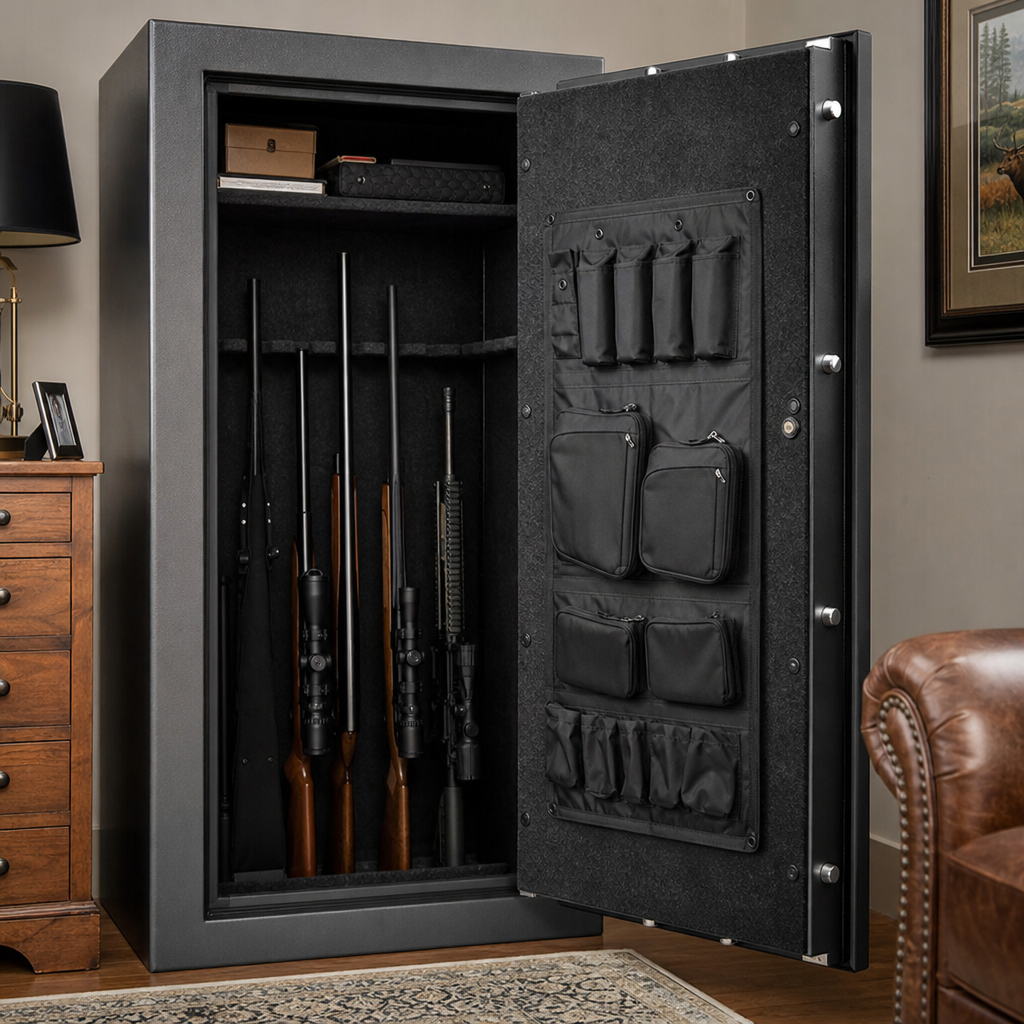
A gun safe should protect firearms, valuables, and documents without announcing itself every time the door swings open. Learning how to soundproof your gun safe to reduce noise when opening matters for privacy, household comfort, and security, especially when a safe sits in a bedroom closet, office, garage, or shared living space. In practical terms, soundproofing a gun safe means reducing vibration, metal-on-metal contact, hinge noise, shelf rattling, latch clatter, and the echo created by a hollow steel cabinet. The goal is not to make a heavy safe silent, because that is unrealistic, but to make opening and closing noticeably quieter and less abrupt.
Through years of working on residential safe setups, I have found that most gun safe noise comes from a handful of predictable sources: dry hinges, loose interior accessories, resonant steel panels, hard contact points around the door frame, and the slap of handles or locking bars returning to rest. Owners often assume they need expensive factory upgrades, yet many of the best improvements come from careful inspection, targeted damping, and proper materials. The safest approach is to modify only non-structural components while preserving the fire seal, lock function, boltwork alignment, and warranty terms. That distinction is essential, because a quiet safe is useful only if it remains secure and reliable.
This guide serves as a hub for custom and DIY gun safe modifications within the broader gun safes and safety category. It explains what causes safe noise, which materials work, how to install them correctly, and where simple fixes outperform major alterations. It also connects the topic to related upgrades such as interior organization, dehumidification, lighting, anchor systems, and door panel storage, because each change can affect noise levels. If you want a quieter gun safe that still opens smoothly, seals properly, and protects its contents, the right plan starts with diagnosis rather than guesswork.
Where Gun Safe Noise Comes From
Before adding insulation or adhesive pads, identify the exact noise you want to reduce. A gun safe can produce several different sounds during opening: a scrape from the handle hub, a squeak from external hinges, a dull thud from the door reaching its stop, a rattle from shelving, or a hollow boom from the cabinet amplifying vibration. Each sound has a different cause, so each needs a different fix. In my experience, owners save time and avoid messy rework when they open the safe slowly, listen from multiple angles, and test one component at a time.
External hinge safes commonly squeak if the hinge pins are dry or contaminated with dust. Internal hinge models may be quieter at the hinge itself but louder at the door seal if alignment is slightly off. Locking bars and cam systems can click loudly when tension changes. On many mid-range gun safes, the door organizer, pistol pockets, or accessory pouches create noise because they are mounted to a flexible backing panel that shifts when the door moves. Interior shelves also contribute. A shelf that feels firm when the safe is still can chatter as the heavy door transfers vibration through the cabinet body.
The cabinet acts like a drum. Thin steel skins and large empty spaces reflect sound rather than absorbing it. That is why a nearly empty safe often sounds louder than a fully outfitted one. Soft contents such as fabric-lined racks, rifle socks, and document bags naturally dampen sound. Bare metal, hard plastic bins, and unsecured ammo cans do the opposite. Understanding this acoustic behavior helps frame every other decision in custom and DIY gun safe modifications. You are not only quieting one moving part; you are controlling how vibration travels through a metal enclosure.
Safe Soundproofing Materials That Actually Work
The best materials for soundproofing a gun safe are those that damp vibration, cushion contact points, and absorb reflected noise without interfering with the locking system or fire protection. For most projects, that means closed-cell foam tape, felt pads, adhesive-backed neoprene, silicone bumpers, mass loaded vinyl in limited applications, automotive butyl damping sheets, and low-residue lubricants formulated for metal mechanisms. Cheap craft foam often fails because the adhesive softens in heat and the material compresses permanently. Household weather stripping can also create problems if it is too thick and changes door closure pressure.
Butyl damping sheets, sold under brands such as Dynamat, HushMat, and Noico, are especially useful on large interior steel panels. Their purpose is vibration damping, not thermal insulation. Applied in strategic patches to the inside of the door skin or side walls, they reduce the ringing effect that makes a safe sound hollow. You do not need full coverage. In fact, 25 to 40 percent coverage on the center of broad panels is often enough to reduce resonance materially. Mass loaded vinyl can help in larger cabinets, but it adds weight and requires secure mounting, so it is usually better for custom interior panels than direct application near moving parts.
For contact noise, silicone bumpers and dense felt outperform softer foams because they compress predictably and recover shape. For hinge and boltwork noise, use a product that leaves a stable lubricating film without attracting grit. White lithium grease is common, but on exposed areas it can collect dust. Dry PTFE lubricants and some synthetic gun-safe-compatible lubricants are cleaner choices. Always verify compatibility with painted steel, powder coating, plastic trim, and any manufacturer guidance. The wrong adhesive or lubricant can damage finishes, loosen liners, or void coverage.
| Noise source | Best material | Why it works | Watch out for |
|---|---|---|---|
| Hollow panel resonance | Butyl damping sheets | Reduces steel vibration and ringing | Do not block boltwork or relockers |
| Door frame impact | Silicone bumpers or dense felt | Cushions contact without major compression | Too much thickness can affect seal pressure |
| Shelf and accessory rattles | Neoprene strips, felt pads | Stops hard surfaces from chattering | Replace worn pads periodically |
| Hinge squeak | Dry PTFE or light synthetic lubricant | Reduces friction with less dust buildup | Avoid overspray near lock components |
| Handle slap | Small adhesive bumper | Softens sudden return contact | Keep clear of moving handle travel |
Step-by-Step DIY Modifications for a Quieter Opening
Start with the easiest and least invasive fixes. Empty the door pockets and remove loose items from interior shelves. Open and close the safe several times while noting where sounds begin and end. Then tighten accessible fasteners on shelving supports, door organizers, and handle hardware according to the manufacturer’s instructions. If the safe is not level, correct that first. A safe twisted slightly by an uneven floor can create alignment issues that sound like hinge problems. Use a reliable level and confirm the cabinet is stable on all anchor points or feet.
Next, clean and lubricate moving metal parts. For external hinges, wipe away old residue before applying a small amount of lubricant at the pivot point. Work the door slowly so the lubricant distributes evenly. If the handle hub or spindle area clicks, inspect for trim rings or decorative covers that may be shifting. A thin felt interface behind a loose trim piece can eliminate a surprising amount of noise. Then address impact points. Add small silicone bumpers or dense felt dots where the door, handle, or interior organizer makes hard contact. Test door closure after each addition. One oversized pad can create resistance, misalignment, or incomplete engagement.
After contact points are controlled, move to resonance. Remove interior panels only if the design clearly allows it without disturbing the lock, hardplate, wiring, or fireboard. Apply butyl damping sheets to the center area of broad metal panels, pressing them firmly with a roller. Do not cover moving parts, lock linkages, relockers, or serial labels. Reinstall liners and test the door again. Finally, secure interior accessories. Add neoprene or felt under shelves, between ammo cans, beneath dehumidifier brackets, and behind magnetic lights if they chatter. The cumulative effect of several small corrections is usually greater than one dramatic modification.
Custom Upgrades, Interior Layout, and Related Gun Safe Modifications
Soundproofing works best when treated as part of a larger customization plan. Many owners start with noise reduction and then realize the same project is an ideal time to improve storage efficiency, corrosion control, and access. A door panel organizer, for example, can either create noise or reduce it depending on how it is mounted. A taut fabric-backed organizer with reinforced attachment points can stop loose handguns, magazines, and documents from shifting. A flimsy panel with overloaded pockets becomes a constant rattle source. The difference is fit, weight distribution, and hardware quality.
Interior shelf modifications also affect sound. Carpeted wood shelves generally damp vibration better than bare steel shelves. If you are building custom shelving, use stable plywood or hardwood-faced panels with thin closed-cell pads at support points. Avoid shelves that bind against the side walls, because friction there can transmit noise every time the safe flexes slightly under door movement. Rifle barrel rests, stock bases, and divider systems should hold firearms snugly enough to prevent contact but not so tightly that they scrape finishes. EVA foam and felt-lined cutouts are effective choices for this kind of controlled support.
Other hub topics in custom and DIY gun safe modifications connect directly to quiet operation. LED lighting upgrades should use secure channels or low-profile adhesive mounts so fixtures do not detach and buzz. Dehumidifier rods and rechargeable desiccant units need firm placement to prevent rolling or tapping against walls. Anchor systems matter too. A well-anchored safe on a stable surface often sounds quieter because the cabinet does not shift microscopically when the door swings open. Even cosmetic changes, such as interior fabric relining, can improve acoustics by adding soft surfaces that absorb reflected sound. When planning upgrades, think in systems rather than isolated accessories.
Safety, Warranty, and Performance Limits
Not every gun safe should be modified the same way. The first limitation is warranty coverage. Some manufacturers permit minor interior changes but discourage adhesives on fire lining, lock covers, or door seals. Others are stricter, particularly with electronic lock housings, relocker systems, and fire barrier materials. Read the manual and contact the manufacturer if any step requires removing panels near the lock or boltwork. As a rule, never drill into the door, cut fireboard, alter hinge geometry, or relocate locking components in pursuit of a quieter opening. Those changes can weaken burglary resistance or compromise fire performance.
Humidity and heat are practical concerns as well. Many safes live in garages, basements, and closets where temperature swings stress adhesives. Choose materials rated for automotive or industrial interiors rather than light household décor use. Also consider off-gassing. Strong-smelling adhesives and low-grade foam can leave residues or odors in enclosed spaces, which is undesirable around firearms, optics, paper records, and leather slings. If you add any material inside the safe, give it time to cure and air out before loading contents back in fully.
Set realistic expectations. A heavy steel door with active boltwork will never open as quietly as a padded jewelry cabinet. The objective is reduction, not elimination. In most home installations, a good soundproofing plan can cut squeaks, rattles, and impact noise substantially enough that opening the safe sounds controlled rather than conspicuous. That improvement is valuable, especially for early-morning access, homes with sleeping family members, or situations where discretion matters. The best results come from patient diagnosis, careful material choice, and respect for the safe’s security design.
Soundproofing a gun safe is ultimately a precision maintenance job, not a gimmick. The most effective approach is to identify whether the noise comes from friction, impact, resonance, or loose accessories, then apply the right fix to that exact source. Lubricating hinges, adding dense bumpers at contact points, damping large steel panels, and securing shelves or organizers can make a dramatic difference without changing the safe’s essential function. When done correctly, these custom and DIY gun safe modifications improve daily use while preserving reliability, security, and orderly storage.
As a hub topic within gun safes and safety, this subject connects naturally to broader upgrades such as interior shelving, moisture control, lighting, anchor installation, and door organization. Those projects should be planned together because each one can either reduce noise or introduce new rattles. The common principle is simple: every added component must be stable, compatible with the safe’s materials, and installed without interfering with boltwork, fire lining, or door alignment. Quiet operation is a byproduct of good design discipline.
If your safe is louder than it should be, begin with an inspection and the least invasive fixes first. Test, adjust, and document what works before moving to more involved upgrades. A quieter safe is easier to live with, less disruptive to the household, and more discreet when accessed. Use this guide as your starting point, then build out the rest of your gun safe modification plan with the same focus on safety, fit, and long-term durability.
Frequently Asked Questions
What causes a gun safe to make so much noise when opening?
A noisy gun safe usually comes down to several small sound sources happening at once rather than one single problem. The most common causes are dry or aging door hinges, metal-on-metal contact around the frame, a loud locking mechanism, shelf or interior panel vibration, and loose contents shifting when the door moves. In many safes, the large steel door acts like a resonating panel, so even a minor clank can sound much louder than expected. If the safe is installed on a concrete floor, hardwood, or against a wall stud, vibration can also transfer into the surrounding structure and amplify the sound.
Another overlooked issue is the interior itself. A safe with mostly bare steel surfaces can create an echo chamber effect, especially if it is only partially filled. That means the click of the handle, the release of the bolts, or the swing of the door can bounce around inside and sound sharper than it really is. Door organizers, removable shelves, ammo boxes, and document trays can also rattle if they are not secured properly. In practical terms, reducing noise starts with identifying whether the sound is coming from friction, impact, vibration, or echo. Once you know the source, you can use targeted fixes such as lubricant, felt pads, weatherstripping, foam liners, or better floor isolation instead of guessing and treating the wrong part of the safe.
What are the best materials to use to soundproof a gun safe without affecting security?
The best materials are the ones that reduce vibration and contact noise without interfering with the door seal, lockwork, fire lining, or structural strength of the safe. Adhesive-backed felt pads are excellent for stopping metal-on-metal tapping at shelf contact points, door organizers, and accessory mounts. Closed-cell foam and thin rubber pads work well for reducing vibration under shelves, ammo cans, and removable interior components. Weatherstripping can be especially effective around the door frame when used carefully, because it cushions the closing action and cuts down on rattling, but it must not obstruct the locking bolts or prevent the door from fully closing.
Mass-loaded vinyl, acoustic foam panels, carpet remnants, and fabric-lined organizer panels can also help reduce echo inside the safe. For many homeowners, a practical combination works best: felt where parts touch, rubber where parts vibrate, and soft interior lining where sound reflects. If the safe sits on a hard floor, a dense rubber mat underneath the safe can reduce vibration transfer into the floor structure. The key is to avoid anything that traps moisture, interferes with the lock, blocks dehumidifiers, or compromises fire-rated components. Materials should be low-odor, stable over time, and installed neatly so they do not snag firearms, documents, or shelving. Soundproofing a safe is really about controlled damping, not stuffing the entire interior with thick insulation.
How do you quiet the door, hinges, and locking mechanism on a gun safe?
Start with the simplest and most important maintenance step: inspect and lubricate the hinges and moving lock components using a manufacturer-approved product. A dry hinge often creates squeaks, groans, or a scraping sound as the door swings open. External hinges are easier to inspect, but internal hinges can still benefit from proper service if your safe’s design allows access. Apply lubricant sparingly, wipe away excess, and open and close the door several times to distribute it evenly. If the handle mechanism or boltwork sounds loud, the issue may be friction, wear, or minor misalignment. In that case, follow the manufacturer’s maintenance guidance or have a qualified locksmith or safe technician inspect it rather than disassembling sensitive lock components yourself.
To reduce impact noise, add thin felt or rubber bumpers in non-critical contact areas where the door or interior accessories might tap during movement. If the handle or keypad housing has any looseness, tighten it carefully according to the manufacturer’s specifications. Check that interior panels, door pockets, and shelving are firmly seated, because they often create noise that seems like it is coming from the lock. Also pay attention to opening technique. Swinging a heavy safe door quickly can make even a well-maintained safe sound loud. Opening the door slowly, supporting its weight, and preventing it from reaching the end stop abruptly can dramatically reduce noise. In many cases, a quiet opening comes from a combination of maintenance, cushioning, and slower controlled movement rather than one major modification.
Can you add insulation or padding inside a gun safe to reduce echo and rattling?
Yes, adding carefully selected padding and soft surfaces inside the safe is one of the most effective ways to reduce echo and rattling. Bare steel interiors reflect sound, so lining shelf surfaces, interior door panels, or accessory contact points with felt, carpet, or thin foam can noticeably soften noise. This is especially useful for safes that store handguns, magazines, jewelry boxes, document cases, or other hard items that tend to click against shelves when the door moves. Even modest changes, such as drawer liners or padded organizers, can reduce the hollow metallic sound that makes a safe seem louder than it is.
That said, insulation should be added thoughtfully. Avoid overpacking the interior or covering ventilation paths needed for moisture control. Keep all padding clear of hinges, bolt travel, relockers, electronic lock wiring, and dehumidifier rods. If your safe includes fireboard panels or a factory interior system, do not remove or alter them just to insert soundproofing material. Instead, add removable liners and pads over non-critical surfaces. A good approach is to secure shelves, cushion contact points, and use snug storage solutions that prevent valuables from shifting when the door opens. This gives you less rattle, less echo, and better organization at the same time. The goal is not to change the safe’s construction, but to make its interior less reflective and less prone to movement-related noise.
What mistakes should you avoid when trying to soundproof a gun safe?
The biggest mistake is using materials or modifications that interfere with the safe’s core job: secure, reliable protection. Do not place thick padding where it blocks the door from closing properly, impedes locking bolts, or changes the alignment of the door. Avoid spraying generic lubricants into electronic locks, keypads, or internal lock mechanisms unless the manufacturer explicitly recommends it. Another common mistake is adding materials that absorb moisture or create a musty environment, such as untreated fabric, cheap foam, or household insulation not intended for enclosed storage. That can increase the risk of rust, mildew, and damage to firearms, documents, and valuables.
It is also a mistake to focus only on the door and ignore the surrounding setup. A safe that rocks slightly on an uneven floor, sits directly on a hollow wood platform, or touches the wall can transmit a surprising amount of vibration. Likewise, loose shelves, unsecured ammo boxes, and poorly fitted organizers can keep the safe noisy even after hinge treatment. Finally, avoid permanent modifications such as drilling, grinding, or disassembling lockwork unless performed by a qualified professional. The safest approach is to make reversible improvements first: lubricate approved moving parts, add felt and rubber in non-critical contact areas, stabilize the safe on a proper base, and pad the interior to reduce echo. Those steps usually produce a major reduction in noise without sacrificing security, fire protection, or long-term reliability.